Mastering User Experience Design
Introduction to UX Design
What is UX Design?
User Experience (UX) design is the process of creating products that are easy, effective, and enjoyable to use. It’s not just about how a product looks, but how it feels. Think about your favorite app. Why do you like it? Chances are, it’s intuitive. You don’t have to think hard about how to use it; it just works.
UX encompasses every interaction a user has with a product, from the first click to the final goal.
The main goal of a UX designer is to make technology work for people, not the other way around. They focus on the entire journey a person takes while using a product. This includes everything from the physical act of clicking a button to the emotional response of successfully completing a task. A well-designed product feels like a helpful guide, anticipating your needs and making your life a little bit easier.
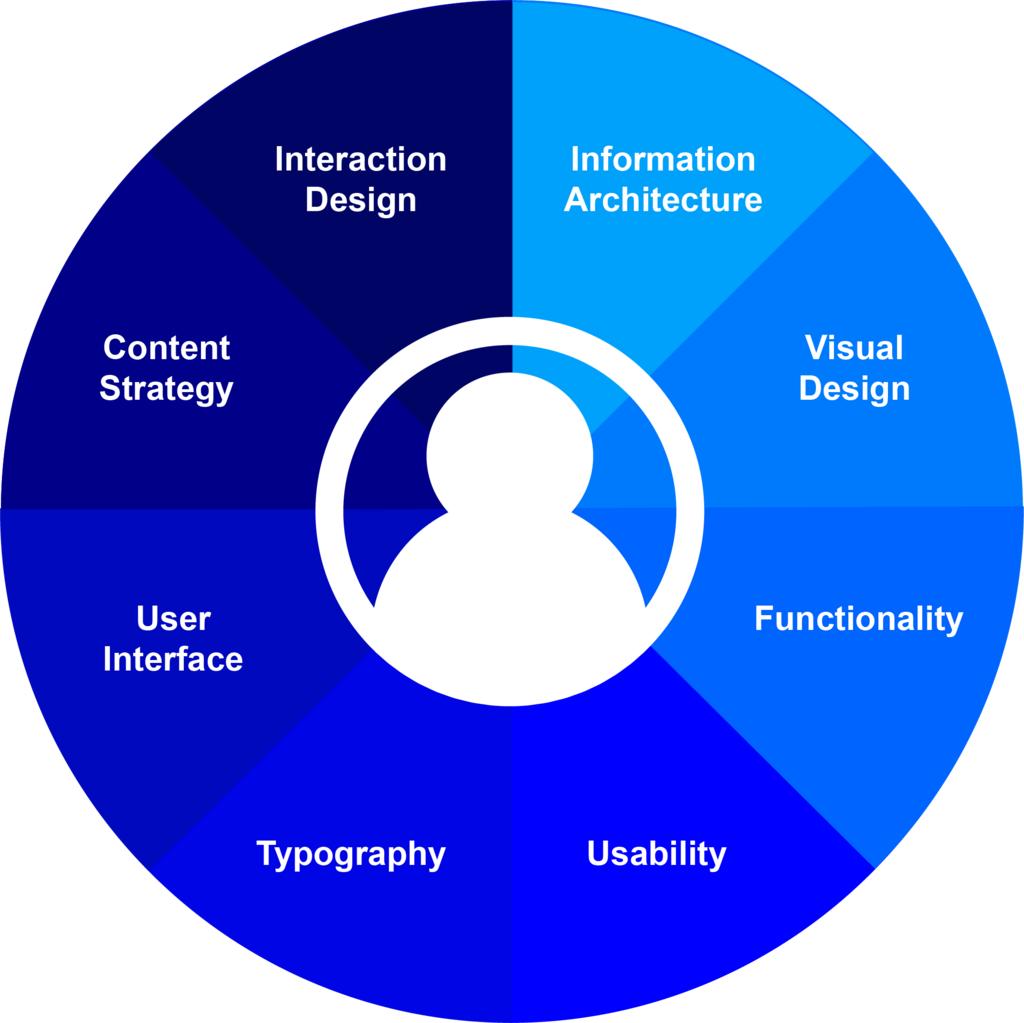
Putting the User First
The most important concept in UX is user-centered design. This is the idea that every decision, from the layout of a screen to the color of a button, should be based on the needs and wants of the end user. To build a successful product, you have to understand the people who will be using it.
The cornerstone of excellent UX and product design is a deep understanding of your users.
Why is this so crucial? Because a product that doesn't solve a user's problem or is frustrating to use will be abandoned. When designers empathize with their users, they can create solutions that are not just functional but also meaningful. This approach leads to happier customers, better reviews, and a more successful product overall. It’s about building things for people, with people in mind every step of the way.
Core Principles of Good UX
While UX is a broad field, a few key principles guide the creation of great experiences. Mastering these fundamentals is the first step toward designing products that people love.
User-centricity
noun
The practice of placing the user at the forefront of the design process, ensuring that their needs, goals, and limitations drive all design choices.
This is the practical application of user-centered design. It means constantly asking questions like, "Who is using this?" and "What are they trying to accomplish?" It's about designing with empathy.
Consistency: Don't make users think.
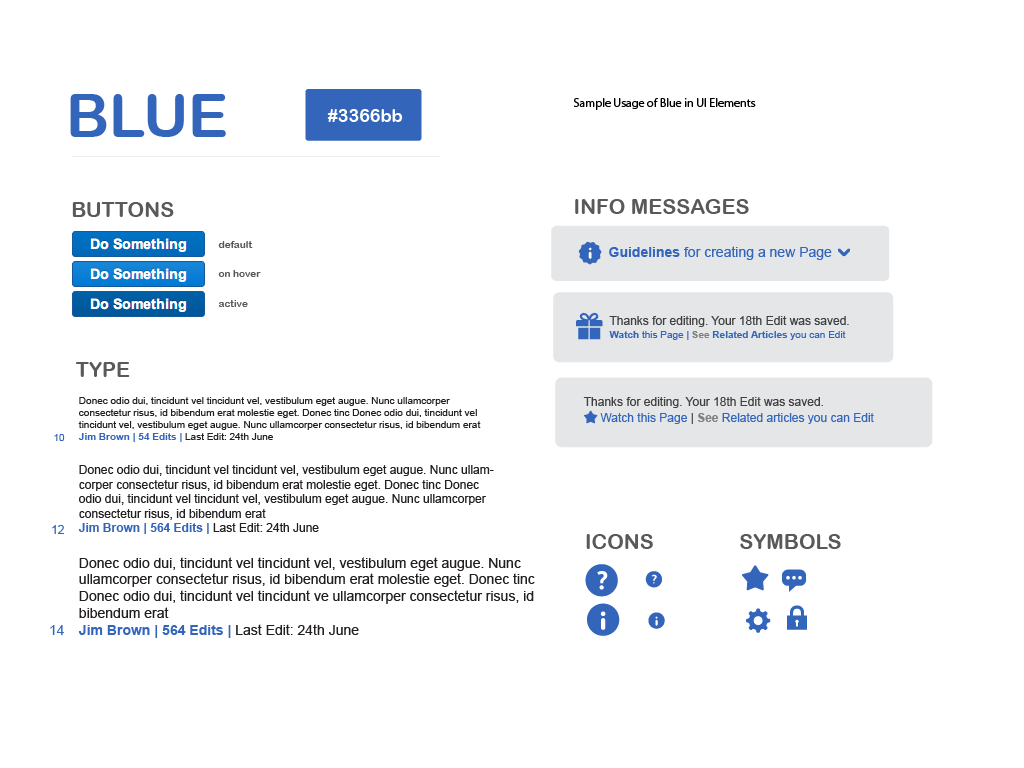
A consistent design allows users to transfer knowledge from one part of a product to another. If the 'save' icon is a floppy disk on one screen, it should be a floppy disk on all screens. Navigation menus should stay in the same place. This predictability builds trust and makes the product feel reliable and easy to learn.
Simplicity: Less is more.
Great UX design is often invisible. The goal is to remove obstacles and help users achieve their goals as effortlessly as possible. This means eliminating unnecessary text, buttons, and visual clutter. A simple, clean interface reduces cognitive load and allows the user to focus on what's important: their task.
Accessibility
noun
The design of products, devices, services, or environments for people who experience disabilities, ensuring they can perceive, understand, navigate, and interact with the digital world.
An accessible product is one that can be used by everyone, regardless of their abilities. This includes providing high-contrast text for people with low vision, adding alternative text for images so screen readers can describe them, and ensuring the entire interface can be navigated with a keyboard. Designing for accessibility isn't just a legal requirement in many places; it's a core part of creating a truly user-friendly experience for all.
What is the primary goal of User Experience (UX) design?
The idea that every design decision should be based on the needs and wants of the end user is called ________.
By focusing on these core principles, UX designers create products that are not only powerful but also a pleasure to use.