Mastering Unique Tea Blends
Tea Types and Properties
One Plant, Many Teas
It might be surprising to learn that black, green, and oolong tea all come from the same plant: Camellia sinensis. The incredible variety in taste, color, and aroma isn't due to different plants, but to how the leaves are processed after being picked. The key factor is oxidation.
Oxidation is a chemical reaction that happens when the enzymes in the tea leaves are exposed to oxygen. Think of how a sliced apple turns brown. A similar process changes the tea leaves, developing their unique flavors and colors.
The amount of time the leaves are allowed to oxidize determines what kind of tea they will become. Let's look at the main categories you'll encounter.
Black Tea
If you've ever had a cup of English Breakfast or Earl Grey, you've had black tea. To make it, tea leaves are withered, rolled, and then allowed to fully oxidize. This extended exposure to oxygen turns the leaves a dark brownish-black and creates deep, complex flavors.
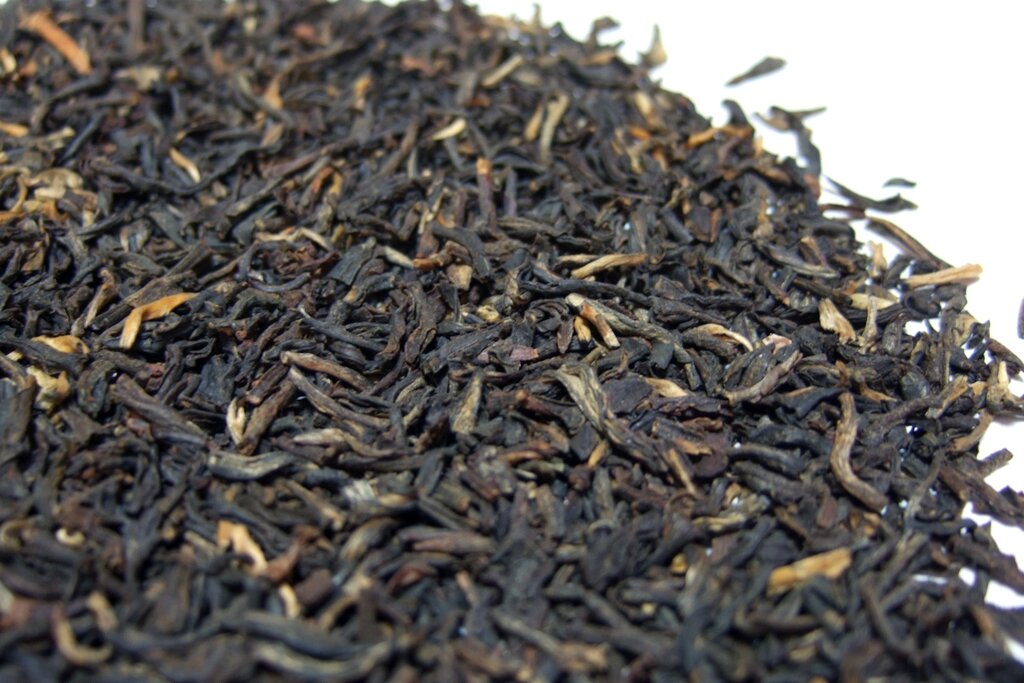
Black tea has the most robust and full-bodied flavor profile of the true teas. It's often described as malty, earthy, and sometimes has notes of fruit or spice. Because of its full oxidation, it also has the highest caffeine content, typically ranging from 40 to 70 milligrams per 8-ounce cup.
Health-wise, black tea is rich in compounds called flavonoids, which are known to support heart health.
Green Tea
Green tea sits on the opposite end of the spectrum. To prevent oxidation, the leaves are quickly heated after harvesting. This is usually done by pan-firing (common in China) or steaming (common in Japan). This simple step preserves the leaves' natural green color and fresh taste.
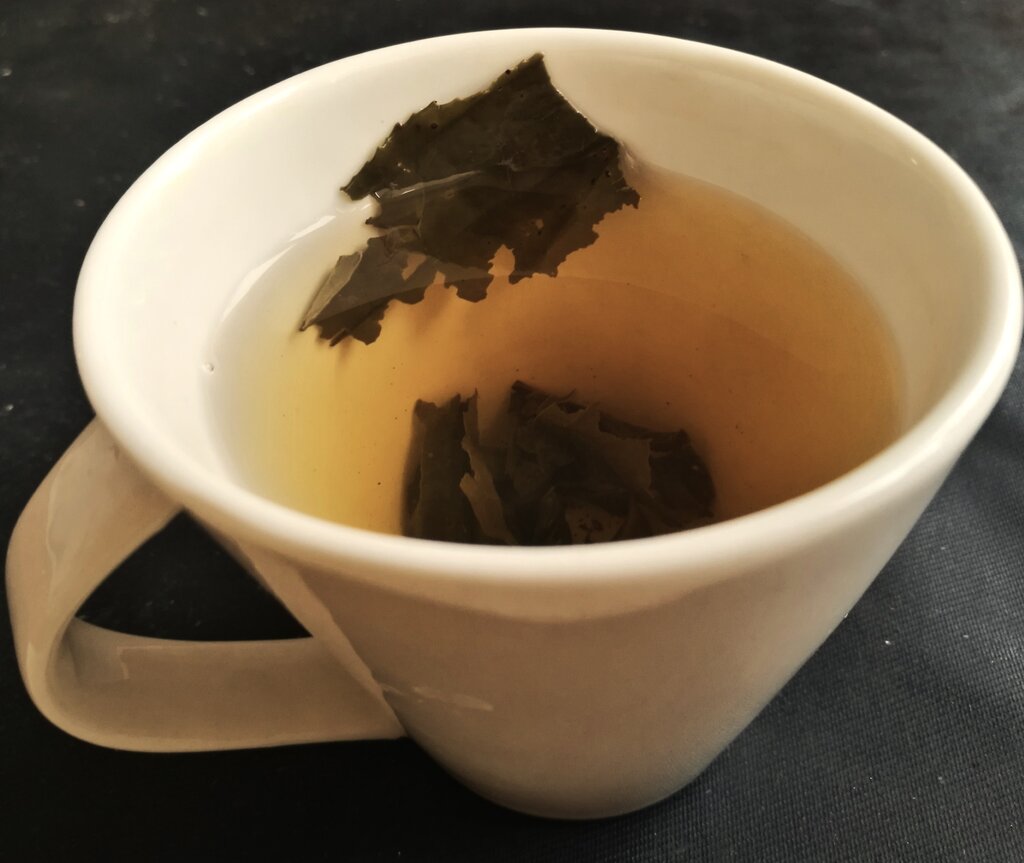
The flavor of green tea is much lighter than black tea. It's often described as grassy, vegetal, or
toasted
adjective
Having a flavor reminiscent of browned grain, produced by dry heat.
Its caffeine content is lower than black tea, generally falling between 20 and 45 milligrams per cup. Green tea is particularly famous for being high in a type of antioxidant called EGCG (epigallocatechin gallate), which is linked to various health benefits, including supporting metabolism and brain function.
Oolong and Herbal Tea
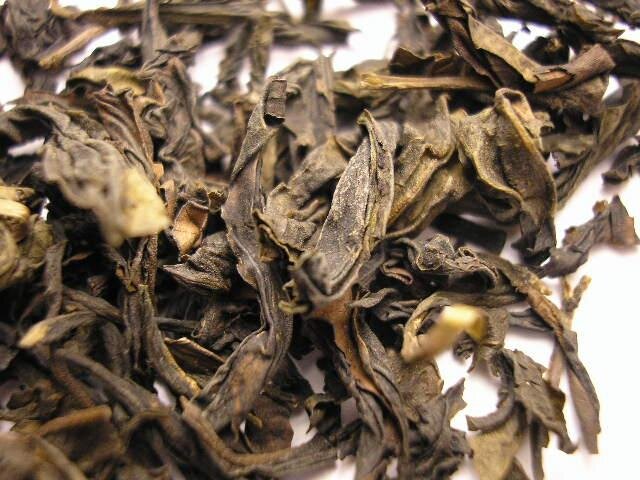
Oolong tea is the most diverse category, falling somewhere between green and black. It's partially oxidized, but that's a wide range. Some oolongs are oxidized only a little (around 10-20%) and are light and floral, similar to green tea. Others are heavily oxidized (up to 80%) and are dark, roasted, and malty, much like a black tea. This makes oolong a fascinating world to explore, with a huge variety of flavors and aromas.
Herbal teas, on the other hand, are a bit of an outlier. They aren't made from the Camellia sinensis plant at all. Instead, they are infusions, or "tisanes," made from various fruits, flowers, herbs, and spices. Popular examples include chamomile, peppermint, hibiscus, and rooibos.
Because they don't come from the tea plant, virtually all herbal teas are naturally caffeine-free. Their health benefits vary widely depending on the ingredients used.
Let's summarize the key differences.
| Tea Type | Oxidation Level | Common Flavor Notes | Caffeine (per 8oz) |
|---|---|---|---|
| Black | 100% (Full) | Malty, robust, fruity | 40-70 mg |
| Green | 0-5% (None) | Grassy, vegetal, sweet | 20-45 mg |
| Oolong | 10-80% (Partial) | Floral, creamy, roasted | 30-60 mg |
| Herbal | N/A | Varies (Fruity, spicy, floral) | 0 mg |
Now that you understand the basic types, you can start to appreciate the unique qualities each one brings to the cup. Let's test your knowledge.
What is the primary factor that determines whether tea leaves from the Camellia sinensis plant become black, green, or oolong tea?
Which type of tea is characterized by being fully oxidized, resulting in a dark color and robust, malty flavor profile?