Mastering Typography
Introduction to Typography
What is Typography?
Simply put, typography is the art of arranging text. It’s how words appear on a page or screen. This includes everything from the style of the letters to the spacing between them. The goal is to make written language legible, readable, and appealing when displayed.
typography
noun
The style and appearance of printed matter; the art or procedure of arranging type.
Think of typography as the way a voice sounds. Two people can say the same sentence, but the tone, volume, and rhythm can give it completely different meanings. One might sound urgent and serious, while the other sounds calm and playful. Typography does the same thing for text.
Every choice, from font to spacing, influences how a reader feels and understands the message.
Why It Matters
Good typography is invisible. When text is easy to read, you don't notice the font or the layout; you just absorb the information. Bad typography, on the other hand, is distracting. It can make a message confusing or even unreadable.
In design, typography is a powerful tool. It creates a visual hierarchy, guiding the reader’s eye to the most important information first. A headline is large and bold, a sub-headline is smaller, and body text is smaller still. This structure helps us scan information quickly and efficiently.
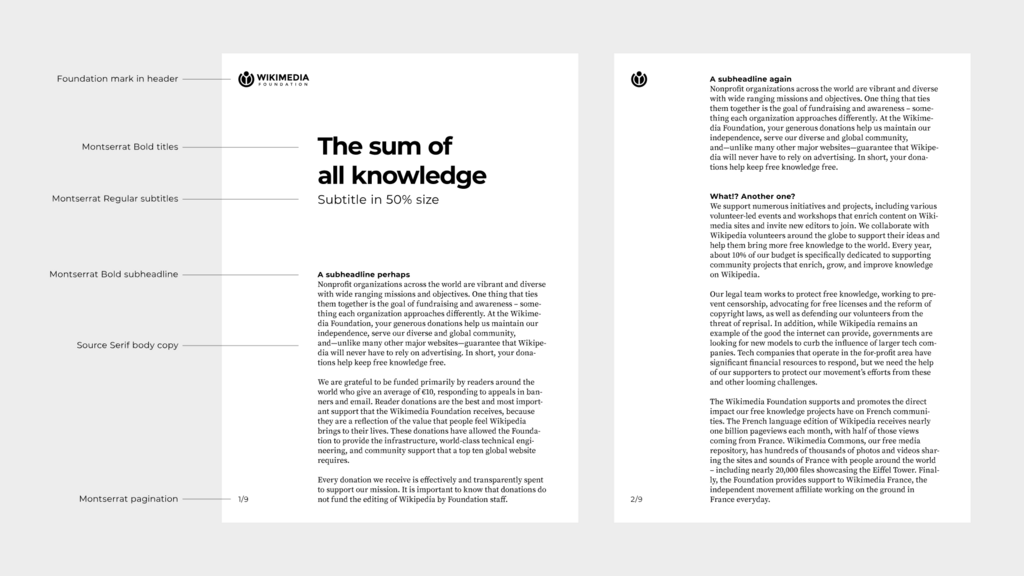
Beyond readability, typography sets the mood. A wedding invitation might use elegant, flowing script. A tech company's website might use a clean, modern font. The right choices reinforce the brand's personality and make the content more engaging.
A Brief History
Typography's roots go back to the earliest forms of writing. For centuries, scribes wrote every book by hand. This changed dramatically in the 15th century with Johannes Gutenberg's invention of the printing press and movable type.
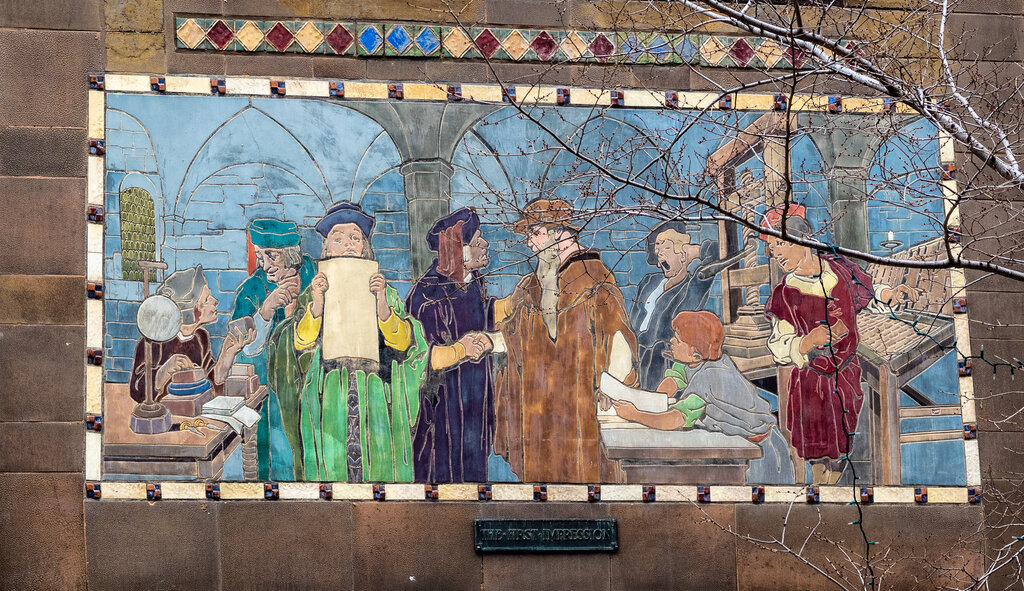
The printing press made it possible to produce books quickly and consistently. This led to the development of typefaces, which are complete sets of characters in a particular design. For the next 500 years, typography was a specialized craft for printers and publishers.
The digital age transformed everything again. With personal computers and design software, typography became accessible to everyone. Today, anyone can choose from thousands of fonts and design documents, websites, and presentations. This accessibility makes understanding the fundamentals of good typography more important than ever.
What is the primary goal of typography?
How does typography create a visual hierarchy?