Mastering Trust in Management
Introduction to Trust in Management
The Bedrock of a Great Team
Trust is the foundation of any successful relationship, and the one between a manager and their team is no different. In management, trust means your team believes in you. They have confidence in your decisions, your integrity, and your intentions. It’s the feeling of security that allows people to do their best work without looking over their shoulder.
When trust is present, teams flourish. People feel safe to share ideas, take creative risks, and even make mistakes. This psychological safety fuels innovation and collaboration. Communication is open, feedback is constructive, and everyone is more engaged in their work. Productivity isn't just a metric; it's a natural outcome of a team that works in sync.
Without trust, the opposite happens. The work environment becomes tense. Employees may hide problems for fear of blame, hesitate to speak up, and constantly second-guess decisions. A lack of trust breeds micromanagement, stifles creativity, and leads to a disengaged workforce. Ultimately, it’s the single most important ingredient for a high-performing team.
Trust is the foundation of a safe environment, where individuals and teams can perform at their best.
The Principles of Trust
Trust isn't magic. It's built deliberately through consistent actions. Three core principles form the pillars of a trustworthy management style: transparency, integrity, and consistency.
Transparency is about being open and honest. It means sharing the 'why' behind decisions, being clear about expectations, and communicating openly about challenges and successes. A transparent manager doesn't keep their team in the dark.
This doesn't mean sharing every confidential detail. It means providing context and keeping people informed about the things that affect them. When people understand the bigger picture, they feel more connected to the mission and valued as team members.
integrity
noun
The quality of being honest and having strong moral principles.
Integrity means your actions align with your words. It’s about being fair, ethical, and accountable. A manager with integrity does the right thing, even when it's difficult. They treat everyone with respect, admit their own mistakes, and take responsibility for their team's outcomes. This quality shows people that you are principled and reliable.
Finally, consistency is about being predictable in your principles and reactions. If a manager's mood or standards change from day to day, it creates anxiety and confusion. Team members need to know what to expect. A consistent manager applies rules fairly, provides steady leadership during stressful times, and maintains a stable emotional presence. This predictability creates a calm and secure work environment where people can focus.
Building a Culture of Trust
A manager can't simply demand trust; they have to earn it over time. Building a culture of trust starts with leadership but extends to every member of the team. It's a shared responsibility to create an environment where open communication is the norm, and people feel supported by their colleagues and their leader.
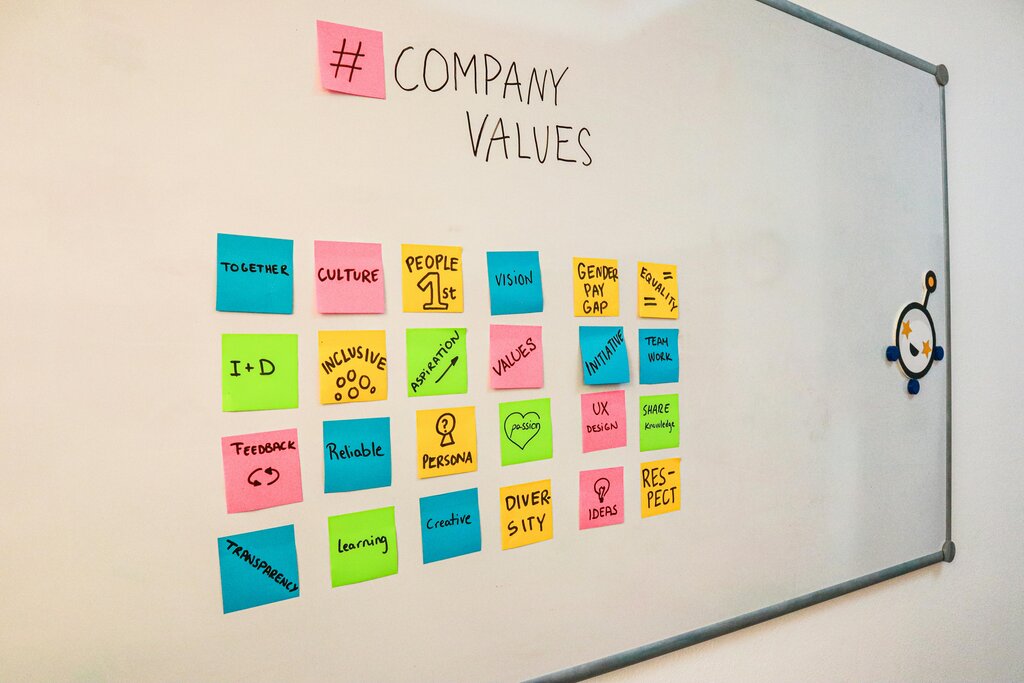
When an organization prioritizes trust, it becomes woven into its DNA. It’s reflected in how people collaborate on projects, how conflicts are resolved, and how successes are celebrated. This isn't just a 'nice to have'—it's a strategic advantage that directly impacts the bottom line through higher employee retention, better problem-solving, and a more resilient workforce.
Let's check your understanding of these core concepts.
What are the three core principles described as the pillars of a trustworthy management style?
A manager who applies rules fairly to all team members and provides steady leadership during stressful times is primarily demonstrating which pillar of trust?
Trust is the essential element that transforms a group of individuals into a cohesive, high-performing team. By practicing transparency, integrity, and consistency, managers can build the strong foundation their teams need to succeed.