Mastering Travel Rewards with Credit Cards
Introduction to Credit Card Rewards
The Basics of Rewards
Credit card rewards programs are a simple concept: companies give you a little something back for using their card. Think of it like a digital loyalty program. Instead of getting a stamp for every coffee you buy, you earn rewards on almost every dollar you spend, from groceries to gas to online shopping.
These rewards come in a few different flavors, but the most common are points, miles, and cash back. Miles are typically associated with airline loyalty programs, while points are used by hotels and flexible bank programs. Cash back is exactly what it sounds like, a direct credit to your statement or bank account. For our purposes, we'll focus on points and miles, as they often provide the best value for travel.
How You Earn
The main way to accumulate rewards is through everyday spending. Most cards offer a base earning rate, like one point or mile for every dollar you spend. But the real power comes from bonus categories.
A card might offer 3x points on dining, 2x points on travel, and 1x point on everything else. If you spend a lot on restaurants, this kind of card accelerates your earning power significantly.
The single biggest boost to your points balance, however, often comes from a sign-up bonus. When you're approved for a new card, the issuer may offer a large sum of points or miles if you spend a certain amount of money within the first few months. This can be enough for a round-trip flight or several nights in a hotel right from the start.

This is why aligning a card with your spending habits is so important. A card that rewards you for what you already buy is the easiest way to earn without changing your lifestyle. Before choosing a card, look at your budget and see where your money goes. Are you a frequent flyer? A foodie? A road warrior? There's likely a card designed to reward that.
Choosing Your Card Type
Rewards cards generally fall into two main camps: co-branded cards and general travel cards. Each has its own strengths.
Co-branded cards are partnerships between a bank and a specific travel brand, like an airline or hotel chain. For example, you might have a Delta Air Lines card issued by American Express or a Marriott Bonvoy card issued by Chase. The points or miles you earn go directly into your loyalty account with that brand.

The biggest advantage here is brand-specific perks. An airline card might give you a free checked bag, priority boarding, and discounts on in-flight purchases. A hotel card could offer a free night certificate each year and automatic elite status.
General travel cards, on the other hand, are run by the bank itself, such as the Chase Ultimate Rewards or Capital One Venture programs. You earn the bank's own flexible points currency. These points don't belong to any single airline or hotel. Instead, they give you options. You can often transfer them to a variety of airline and hotel partners, or you can use them to book travel directly through the bank's own travel portal.
If you choose a travel credit card with transferable points, make sure you learn about the program’s airline and hotel partners and how they work.
This flexibility is their key strength. If you aren't loyal to one brand, a general travel card lets you shop around for the best deals across different airlines and hotels.
| Feature | Co-Branded Card | General Travel Card |
|---|---|---|
| Rewards | Miles/points for a single brand | Flexible bank points |
| Flexibility | Low | High |
| Perks | Brand-specific (e.g., free checked bag) | Broad (e.g., travel credits) |
| Best For | Brand loyalists | Travelers who want options |
Read the Fine Print
Before applying for any card, it's crucial to understand its terms and conditions. Many of the best rewards cards come with an annual fee. You need to make sure the value you get from the card's perks and rewards is more than the fee you pay.
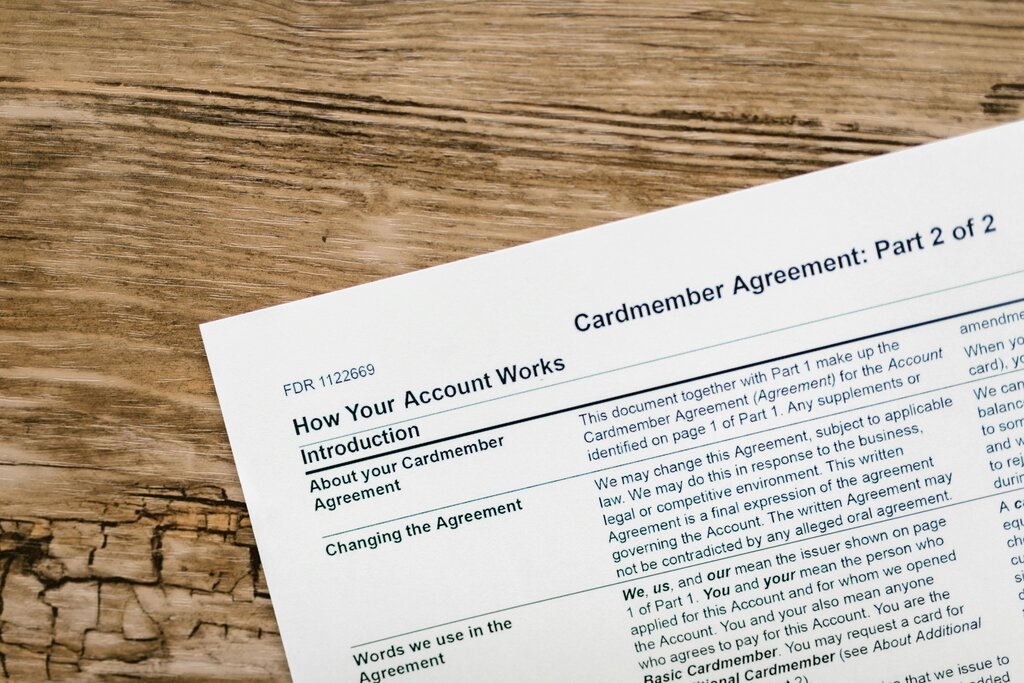
Also, be aware of interest rates. The value of any rewards you earn can be quickly wiped out by interest charges if you carry a balance from month to month. To make rewards programs work for you, the golden rule is to pay your bill in full every time. Finally, check if your points expire. Some do, especially if your account is inactive for a long time.
Paying credit card interest fundamentally undermines the value proposition of a points strategy.
Choosing the right card is a personal decision based on your own financial habits and goals. By understanding the basics of how these programs work, you can select a card that fits your life and helps you travel more for less.