Mastering Travel Rewards
Understanding Credit Card Rewards
The Basics of Rewards
Think of credit card rewards as a thank-you gift from the bank for using their card. Every time you make a purchase, you get a little something back. This "something" usually comes in one of two forms: points or miles.
Miles are typically associated with airline loyalty programs, while points are used by banks and hotel chains. For the most part, they work the same way—you collect them and later trade them in for things like flights or hotel stays. The core idea is simple: your everyday spending can help pay for your next vacation.
The foundation of earning rewards is turning daily expenses into a currency you can use for travel.
Earning on Every Purchase
At its most basic, you'll earn at least one point or mile for every dollar you spend. But the real power comes from bonus categories. Credit card companies want to encourage you to use their card, so they offer extra rewards on specific types of purchases.
For example, a card might offer:
- 3 points per dollar spent on dining
- 2 points per dollar on travel
- 1 point per dollar on everything else
If you spend $100 at a restaurant with this card, you’d earn 300 points. If you spent that same $100 at a clothing store, you’d only earn 100 points. This is why it’s so important to pick a card that gives you bonuses for the things you already buy most often.
The best way to get started is to understand your spending patterns, think about what type of rewards you prefer and pick a program that offers ways to earn points that match your spending patterns and rewards that cater to your preferences.
If you spend a lot on groceries, a card that offers extra points at supermarkets makes sense. If you travel frequently for work, a card that rewards flights and hotels is a better fit.
Choosing Your Rewards Type
Rewards cards generally fall into two camps: co-branded cards and flexible rewards cards. Each has its own strengths.
Co-branded
adjective
A credit card issued by a bank in partnership with another company, like an airline or hotel chain. The rewards are earned in that specific partner's loyalty program.
Co-branded cards are tied to a single brand. Think of the Delta SkyMiles® American Express Card or the Marriott Bonvoy Boundless® Credit Card. The points or miles you earn go directly into your loyalty account with that airline or hotel. These cards often come with brand-specific perks, like free checked bags, priority boarding, or an annual free hotel night.
Flexible rewards cards are issued directly by a bank, such as the Chase Sapphire Preferred® Card or the Capital One Venture Rewards Credit Card. The points you earn are part of the bank's own rewards program (like Chase Ultimate Rewards® or Capital One Miles). These points are valuable because they aren't locked into one company. You have the flexibility to use them in different ways, which we'll cover later.
| Feature | Co-Branded Cards | Flexible Rewards Cards |
|---|---|---|
| Rewards Currency | Airline miles or hotel points | Bank's own points (e.g., Ultimate Rewards) |
| Primary Benefit | Brand-specific perks (free bags, hotel status) | Flexibility and multiple redemption options |
| Best For | Travelers loyal to one airline or hotel | Travelers who want to keep their options open |
| Example | United℠ Explorer Card | American Express® Gold Card |
The Welcome Bonus Windfall
Perhaps the single fastest way to accumulate a large number of points is by earning a sign-up bonus, also known as a welcome offer. This is a one-time bonus you receive after getting a new card.
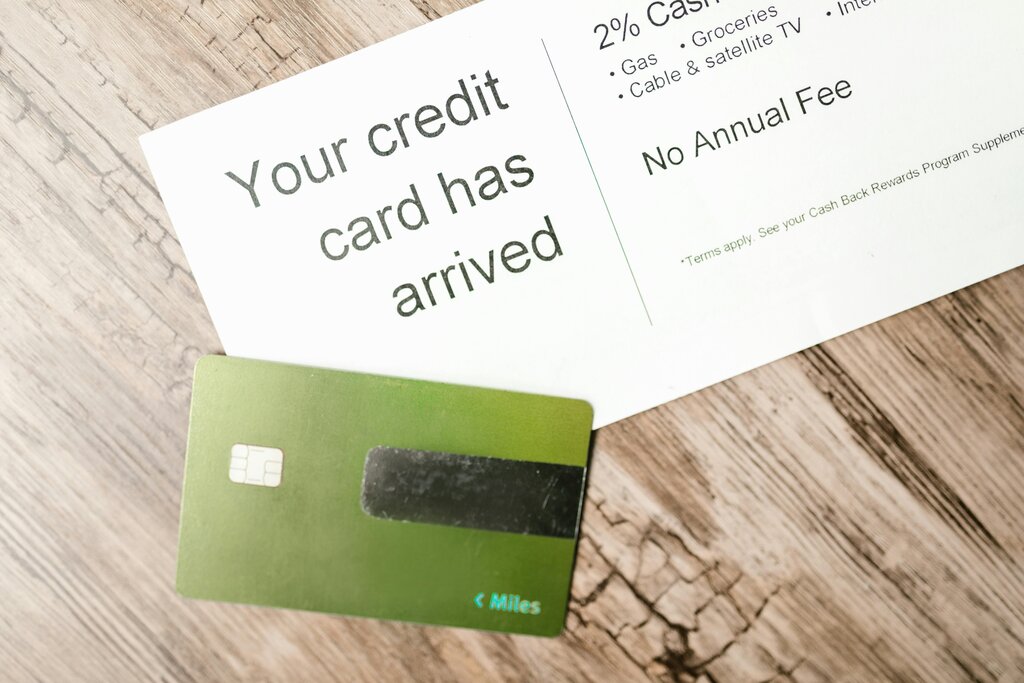
Typically, you have to spend a certain amount of money within the first few months of opening the account to qualify. For example, an offer might be: "Earn 60,000 bonus points after you spend $4,000 on purchases in the first 3 months from account opening."
This single bonus can often be enough for a round-trip flight or several nights in a hotel. It gives your rewards balance a massive head start, making it a crucial factor when choosing a new card.
One of the fastest ways of accumulating a mountain of miles and points is to sign up for a new credit card.
By understanding these fundamentals—earning through categories, choosing the right type of card, and capitalizing on sign-up bonuses—you build a strong foundation for a successful rewards strategy.
Ready to check your understanding?
What is the primary purpose of credit card rewards from a consumer's perspective?
A credit card offers 3 points per dollar on travel, 2 points per dollar on groceries, and 1 point per dollar on all other purchases. If you spend 100 at a supermarket, how many total points will you earn?