Mastering Travel Rewards
Introduction to Credit Card Rewards
What Are Credit Card Rewards?
Think of credit card rewards as a thank you from your card issuer for using their card. Every time you make a purchase, you earn a little something back. It’s a simple concept, but the details can make a big difference in how much value you get.
These rewards programs are designed to encourage you to use your card more often. For you, they're an opportunity to get more out of the money you're already spending. The key is to understand how they work so you can make them work for you, not the other way around.
The Three Flavors of Rewards
Most reward programs fall into one of three categories: cash back, points, or miles. Each has its own strengths, and the best one for you depends on your goals and lifestyle.
| Reward Type | How It Works | Best For |
|---|---|---|
| Cash Back | You earn a percentage of your spending back, usually as a statement credit or direct deposit. | Simplicity and flexibility. You can use the cash for anything. |
| Points | You earn points that act like a flexible currency. Redeem them for travel, gift cards, or merchandise. | People who want options and are willing to learn how to get the most value. |
| Miles | A type of point specifically tied to travel, usually with an airline or hotel brand. | Frequent travelers who want to save on flights and hotel stays. |
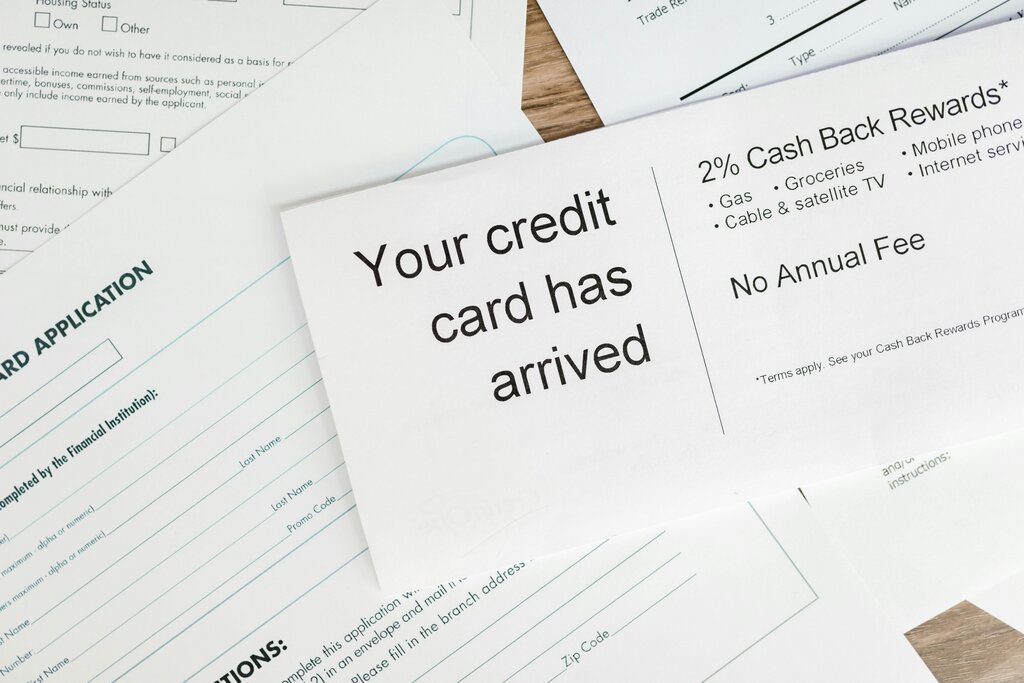
Cash back is the most straightforward option. If a card offers 2% cash back, you earn $0.02 for every $1 you spend. It’s easy to track and redeem.
Points and miles are a bit more complex. Their value isn't fixed; it changes based on how you redeem them. For example, 50,000 points might get you a $500 statement credit, or they could cover a $800 flight if you transfer them to an airline partner. This flexibility is powerful but requires a little more attention.
How You Earn
Earning rewards usually starts with a base rate, like one point or 1% cash back for every dollar you spend on anything. The real magic, however, lies in bonus categories.
Many cards offer accelerated rewards on specific types of spending. A card might give you 3x points on dining, 2x points on gas, and 1x on everything else. If you spend a lot on eating out, a card with a high dining multiplier would be a great fit.
Matching your card's bonus categories to your everyday spending is the single most effective way to earn rewards faster.
Another major source of rewards is the sign-up bonus, also called a welcome offer. This is a large lump sum of points, miles, or cash back that you receive for spending a certain amount of money within the first few months of opening a new card. It's a one-time boost that can jump-start your rewards balance significantly.
Fees, Benefits, and Fine Print
Rewards are great, but they don't always come for free. It’s crucial to weigh the benefits of a card against its costs. The most common cost is the annual fee, a yearly charge for keeping the card open. Some cards have no annual fee, while premium travel cards can cost hundreds of dollars per year.
Why would anyone pay an annual fee? Because the card's benefits can outweigh the cost. These perks might include airport lounge access, annual travel credits, free checked bags on flights, or trip insurance. If you use these benefits, they can easily be worth more than the fee you pay.
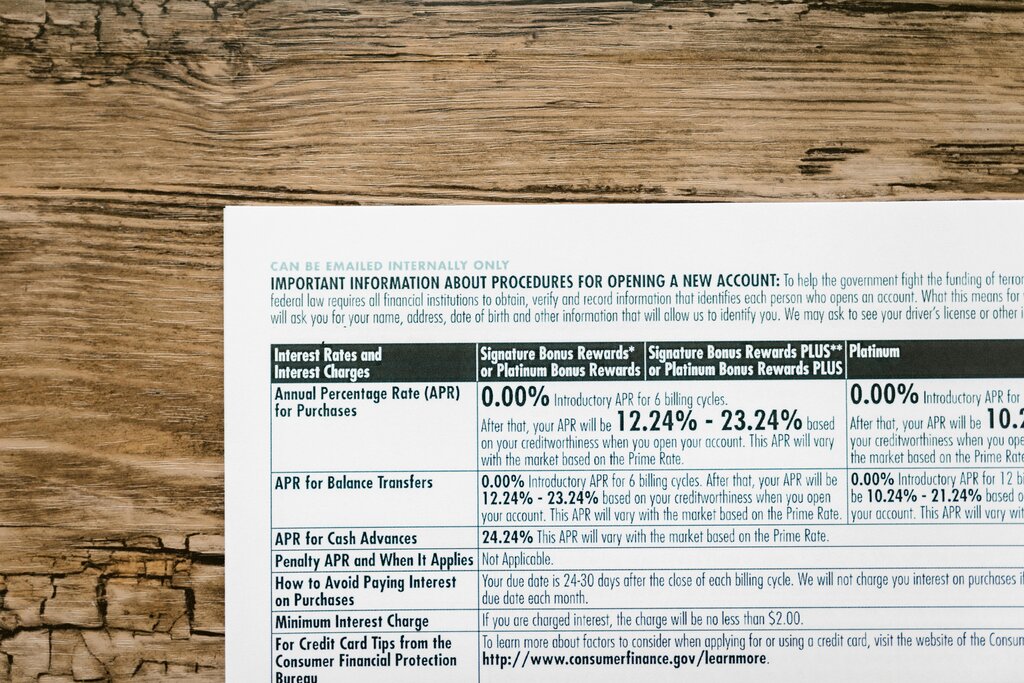
The most important rule is to pay your balance in full every month. Credit card interest rates are high, and carrying a balance will quickly erase the value of any rewards you earn. Rewards are only a bonus if you're not paying interest.
Paying credit card interest fundamentally undermines the value proposition of a points strategy, as interest costs (typically 16-24% APR) rapidly exceed the value of points earned (typically 2-5% return).
Now that you know the basics, let's test your knowledge.
What is the primary reason credit card issuers offer rewards programs?
Which type of credit card reward has a value that can change depending on how you redeem it?
Understanding these fundamentals sets you up for success. By choosing a card that fits your spending and paying your bills on time, you can turn everyday purchases into valuable rewards.