Mastering Travel Rewards
Understanding Credit Card Rewards
The Basics of Rewards
Think of credit card rewards as a thank you from the bank. For every dollar you spend, they give you a little something back in the form of points or miles. It's a simple concept: you use their card for your everyday purchases, and they reward you for your loyalty. Over time, these small rewards can add up to something significant, like a free flight or a hotel stay.
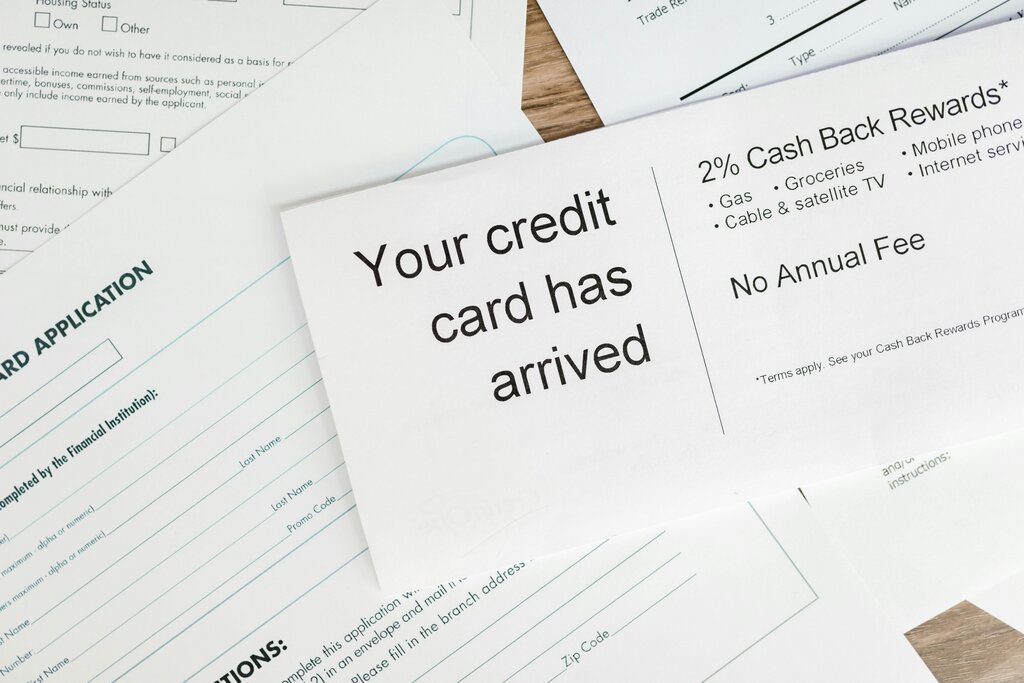
How? Credit cards offer points or rewards for regular expenses, like groceries, gas, or eating out.
The most powerful way to start collecting rewards is with a sign-up bonus. This is a large lump sum of points or miles you get for opening a new card and spending a certain amount of money in the first few months. For example, a card might offer 50,000 bonus points if you spend $3,000 in your first three months. Hitting this target is the quickest way to jumpstart your rewards balance.
Choosing Your Program
Not all rewards are created equal. They generally fall into two main camps: co-branded cards and flexible rewards programs.
Co-branded cards are tied to a specific airline or hotel chain. Think of cards like the Delta SkyMiles card or the Marriott Bonvoy card. You earn that company's specific points or miles, and you redeem them through that company's loyalty program. These are great if you're loyal to one brand, as they often come with special perks like free checked bags or late checkout.
Flexible rewards programs are run by the banks themselves, like Chase Ultimate Rewards or American Express Membership Rewards. The points you earn aren't tied to a single airline or hotel. This gives you more freedom in how you use them. You might book travel directly through the bank's own travel portal or, down the line, transfer them to various airline and hotel partners.
| Program Type | Best For | Key Feature |
|---|---|---|
| Co-Branded | Brand Loyalists | Specific perks (e.g., free bags) |
| Flexible | Travelers who want options | Points can be used in many ways |
Earning Faster
Beyond the sign-up bonus, the key to earning rewards quickly is to pay attention to spending categories. Most rewards cards don't just offer one point per dollar on everything. They offer bonus multipliers on certain types of purchases.
A card might offer:
- 3x points on dining
- 2x points on travel
- 1x point on everything else
This means if you spend $100 at a restaurant, you'd earn 300 points instead of just 100. The best strategy is to find a card that gives you bonus points for the things you already spend the most on.
If you spend a lot on groceries, find a card that rewards grocery spending. If you're always eating out, a card with a dining bonus is your best bet. Aligning your card with your life is the most effective way to rack up points.
Utilizing cards with bonus categories that align with your spending habits can help earn rewards faster.
One crucial rule applies to all rewards strategies: always pay your balance in full each month. The interest charged on a credit card balance is almost always far higher than the value of any rewards you earn. Carrying a balance negates the benefits.
Let's check your understanding of these core concepts.
What is the primary purpose of credit card rewards from a consumer's perspective?
What is the single most effective way to quickly accumulate a large number of rewards points?