Mastering Travel Rewards
Understanding Credit Card Rewards
How Rewards Programs Work
Credit card rewards are a way for banks to thank you for using their card. Every time you make a purchase, you earn a small reward, like points, miles, or cash back. Think of it as a rebate on your spending. Over time, these small rewards can add up to something significant, like a free flight or a hotel stay.
How? Credit cards offer points or rewards for regular expenses, like groceries, gas, or eating out.
These rewards are designed to build loyalty. The more you use a specific card, the more points you accumulate, making you more likely to stick with that bank or brand. It's a simple but effective system.
Types of Rewards Programs
Rewards programs generally fall into two main categories: co-branded cards and flexible rewards programs.
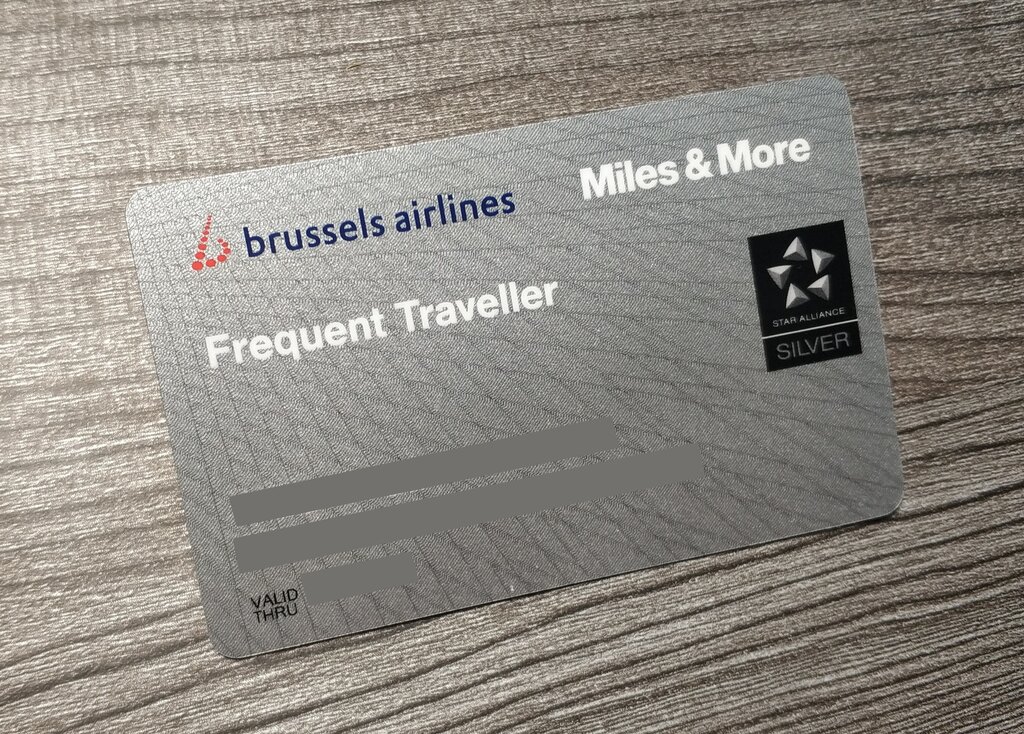
Co-branded cards are partnerships between a credit card issuer (like Visa or American Express) and a specific company, usually an airline or hotel chain. If you always fly one airline or stay at a particular hotel brand, these cards can be great. The points you earn go directly into that brand's loyalty account, like Delta SkyMiles or Marriott Bonvoy points.
Flexible rewards programs, on the other hand, are run by the banks themselves. Think of Chase Ultimate Rewards, American Express Membership Rewards, or Capital One Miles. You earn the bank's own points, which you can then transfer to a variety of different airline and hotel partners. This gives you much more freedom when it's time to book travel.
Flexible points are like holding multiple currencies at once. You can convert them to whichever airline or hotel offers the best deal for your trip.
Earning and Redeeming
You earn points on every dollar you spend, but not all spending is treated equally. Most rewards cards have bonus categories, which are specific types of purchases that earn extra points. For example, a card might offer 3 points per dollar on dining, 2 points per dollar on travel, and 1 point per dollar on everything else.
This is where your spending habits come into play. If you eat out a lot, a card with a high bonus on dining will help you accumulate rewards much faster.
Make sure you know what bonus categories each of your credit cards have and try to earn bonus points whenever possible to reach your travel goal even faster.
When it's time to redeem, your options depend on your program. With a co-branded card, you'll book flights or hotel nights directly through that company's website using your points.
With a flexible rewards program, you typically have more choices. You can transfer your points to a partner airline or hotel, which often provides the best value. Or, you can book travel directly through the bank's own travel portal. Some programs also let you cash out your points for a statement credit or gift cards, though this is usually a less valuable option.
What's a Point Worth?
A crucial concept to grasp is that not all points are created equal. The value of a point isn't fixed; it changes based on how you redeem it. This is often called point valuation.
For example, you might have 50,000 points. If you redeem them for a $500 statement credit, each point is worth 1 cent ($500 / 50,000 points = $0.01). But if you use those same 50,000 points to book a flight that would have cost $1,000, each point is suddenly worth 2 cents. You've doubled their value.
Transferring credit card points to airline and hotel loyalty programs can unlock up to 50% more value compared to redeeming them directly for statement credits or cash back.
This is why travel redemptions are so popular. They often provide the highest value for your points. Before choosing a card, it's wise to look at what its points are typically worth and whether its redemption options fit your goals. Do you want maximum flexibility for travel, or do you prefer the simplicity of cash back?

Picking the right card is a personal decision. Start by looking at your biggest spending categories. Then, think about where you want to travel and which airlines or hotels serve those destinations. Finding a card that aligns with both your spending and your travel dreams is the key to getting the most out of your rewards.
Now, let's review what you've learned.
From a bank's perspective, what is the primary purpose of a credit card rewards program?
If you are loyal to a specific hotel chain and want to earn points directly with that brand, which type of card is most suitable?