Mastering Travel Rewards
Understanding Credit Card Rewards
How Rewards Cards Work
Think of credit card rewards as a loyalty program for your spending. When you use a rewards credit card for your purchases, the bank gives you a little something back in the form of points or miles. These aren't just numbers on a statement; they are a valuable currency you can save up and redeem for flights, hotel stays, cash back, and more.
Every dollar you spend earns you a certain number of points. Over time, these small earnings accumulate into a significant balance you can use to offset your travel costs or treat yourself to an upgrade. The key is to use a card that rewards you for the spending you already do.
Types of Rewards Programs
Rewards programs generally fall into two main categories: co-branded cards and flexible point programs.
Co-branded cards are a partnership between a credit card issuer (like Visa or Mastercard) and a specific travel brand (like an airline or hotel chain). If you're loyal to one airline or always stay at the same family of hotels, these can be a great fit. The points you earn go directly into that brand's loyalty account. These cards often come with brand-specific perks, like a free checked bag on flights or automatic elite status at a hotel.
Flexible rewards programs are run by the banks themselves, such as Chase Ultimate Rewards or American Express Membership Rewards. These points are more like a universal travel currency. You can redeem them through the bank's own travel portal or, for often greater value, transfer them to a variety of different airline and hotel partners. This gives you the freedom to choose the best option for your trip.
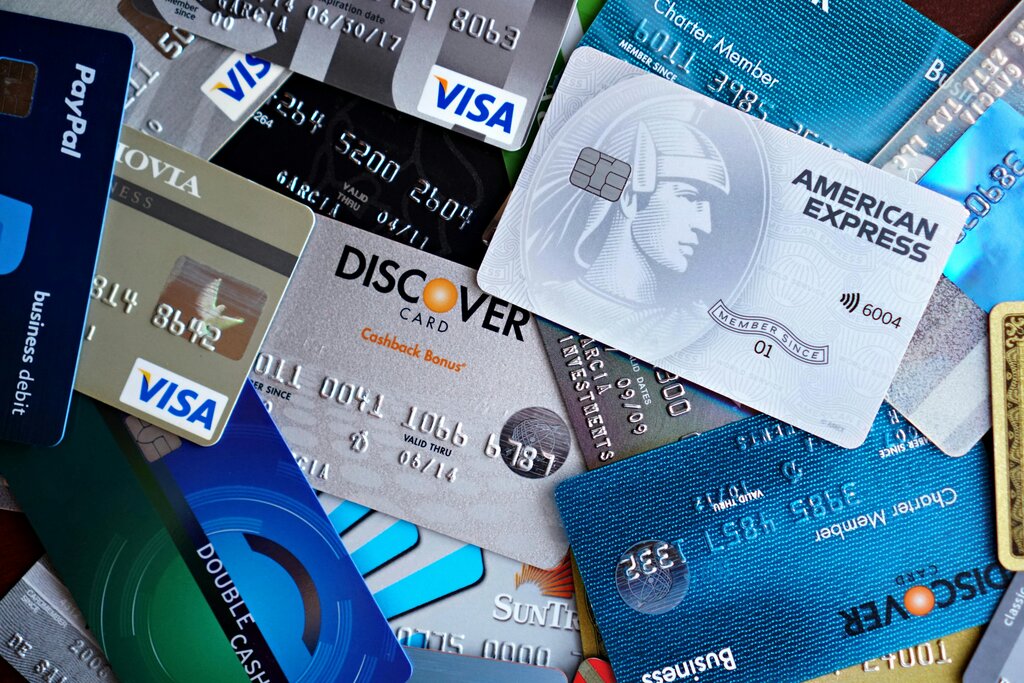
Choosing between these program types depends entirely on your travel habits and goals. Do you want maximum flexibility, or are you focused on earning perks with your favorite brand?
Earning Points and Miles
Beyond regular spending, there are two main ways to accelerate your earnings: sign-up bonuses and spending categories.
A sign-up bonus is a large, one-time reward you receive for getting a new card. Typically, you need to spend a certain amount of money within the first few months to earn it. This is often the single fastest way to accumulate a large number of points.
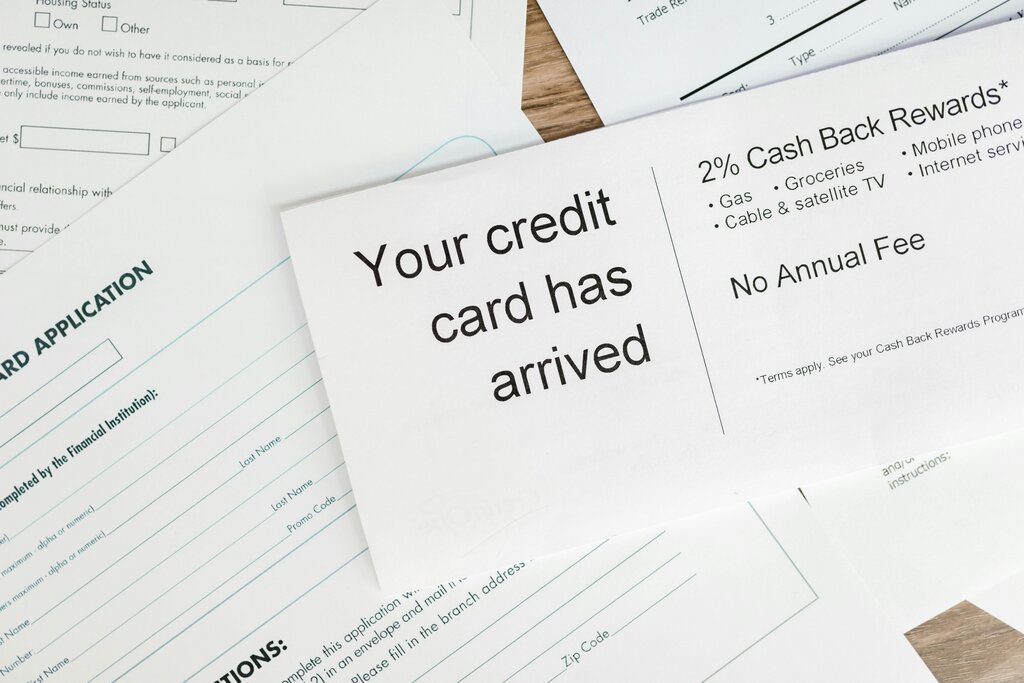
The second method is through spending categories, also known as multipliers. Most rewards cards don't treat all purchases equally. A card might offer one point per dollar on most things, but give you extra points—or a multiplier—for spending in specific categories.
For example, a card might offer:
- 5x points on flights booked directly with airlines
- 3x points on dining and restaurants
- 1x point on all other purchases
This means for every $100 you spend on a flight, you'd earn 500 points instead of the base 100. By using the right card for the right purchase, you can dramatically increase the points you earn from your daily spending.
Utilizing cards with bonus categories that align with your spending habits can help earn rewards faster.
Finally, let's talk about annual fees. Many of the best travel rewards cards charge a yearly fee, which can range from under $100 to over $500. This fee covers the cost of the valuable perks the card offers, like travel credits, airport lounge access, or enhanced point earnings.
Don't be automatically scared off by an annual fee. The trick is to do a simple cost-benefit analysis. If a card's annual fee is $95, but it gives you a free hotel night every year worth $200 and a free checked bag that saves you $60 on a round trip, you're coming out ahead. If you won't use the benefits, however, the fee is a net loss.
Ready to check your understanding? This quiz will cover the core concepts of credit card rewards.
What is the primary purpose of a credit card rewards program?
A card that is a partnership between a bank (like Chase) and a specific hotel chain (like Hyatt) is known as a ________ card.
By understanding these fundamentals, you can begin to see how credit cards can be powerful tools for making travel more accessible and affordable.