Mastering Travel Rewards
Understanding Credit Card Rewards
The World of Rewards
Credit card rewards are a simple concept: when you spend money using your card, the bank gives you a little something back. It's a thank-you for using their service. These rewards come in three main flavors: cash back, points, and miles.
Think of it like a loyalty program for your wallet. Every purchase you make earns you a small rebate, which can add up to significant value over time.
Cash back is the most straightforward. You earn a percentage of your spending back as cash, which you can receive as a statement credit or a direct deposit. A card might offer 1.5% cash back on all purchases, meaning you get $1.50 for every $100 you spend.
Points are a bit more flexible. Instead of cash, you earn points for every dollar spent. These points can be redeemed for a variety of things, like gift cards, merchandise, or even travel, through the card issuer's online portal. The value of a point can vary depending on what you redeem it for.
Miles are a specific type of point geared toward travel. You earn miles that can be redeemed for flights or hotel stays. These are often associated with a specific airline or hotel chain, but some general travel cards offer flexible miles that can be transferred to various partners.
| Reward Type | How It Works | Best For |
|---|---|---|
| Cash Back | Earn a percentage of your spending back as money. | Simplicity and direct value. |
| Points | Earn points per dollar to redeem for various goods/services. | Flexibility and diverse redemption options. |
| Miles | Earn miles per dollar for flights and hotel stays. | Frequent travelers. |
How You Earn Rewards
Earning rewards isn't just about spending money; it's about spending it strategically. Most cards have a base earning rate, like one point for every dollar spent. But the real value comes from bonus categories.
A card might offer 3x points on dining and 2x points on groceries. This means for every dollar you spend at a restaurant, you get three points instead of one. Some cards even have rotating categories that change every few months, offering high rewards on things like gas or streaming services for a limited time.
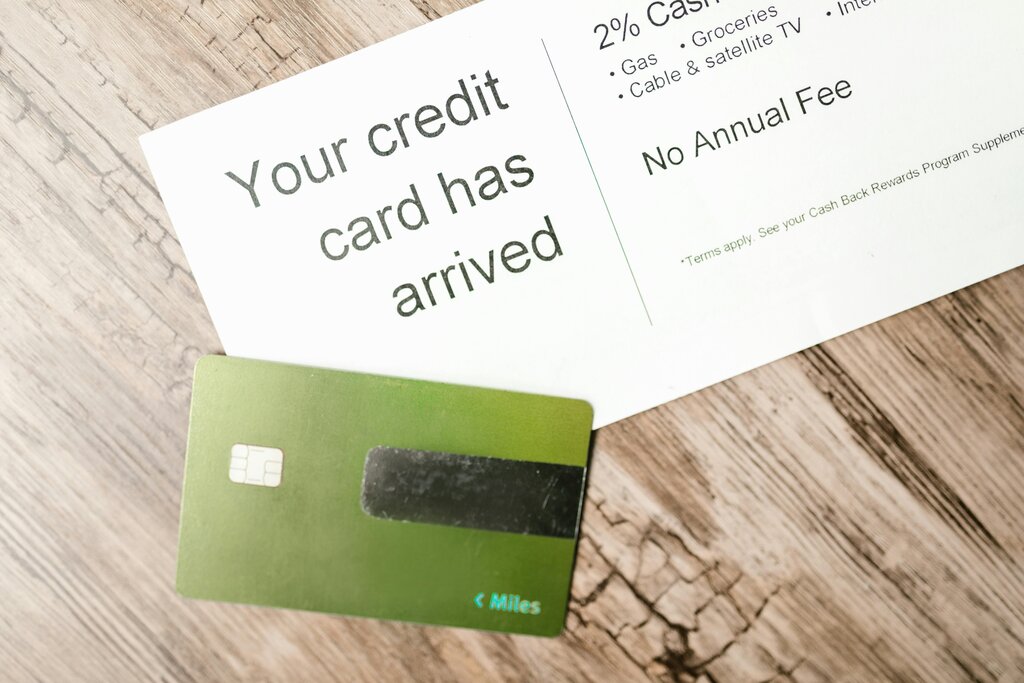
Another major source of rewards is the sign-up bonus. Card issuers often offer a large lump sum of points or cash back if you spend a certain amount of money within the first few months of opening an account. This can be a powerful way to kickstart your earnings.
Finding Your Match
The best rewards card is the one that fits your life. There's no single perfect card for everyone. The key is to align your card's strengths with your spending habits.
Before choosing a card, look at where your money goes. Do you spend a lot on groceries and gas? A cash-back card with high rates in those categories might be ideal. Are you constantly booking flights and hotels for work? A travel card that rewards those purchases with miles would be a better fit. If your spending is spread out across many different categories, a card with a high flat rate on all purchases could provide the most value.
The best way to get started is to understand your spending patterns, think about what type of rewards you prefer and pick a program that offers ways to earn points that match your spending patterns and rewards that cater to your preferences.
Tracking your expenses for a month or two can give you a clear picture of your habits and point you toward the right type of rewards program.
The Key to Better Rewards
The most lucrative rewards cards—the ones with big sign-up bonuses and premium perks—are typically reserved for people with good to excellent credit scores. Your credit score is a number that represents your creditworthiness, and banks use it to decide whether to approve you for a card and at what interest rate.
A higher score shows you have a history of managing debt responsibly. Building a good credit history by paying bills on time and keeping balances low is essential for accessing the best rewards programs.
One of the most important factors for your credit health is your credit utilization ratio. This is the amount of credit you're using compared to your total credit limit. Experts recommend keeping this below 30%.
Finally, the golden rule of rewards is to always pay your balance in full each month. The interest charged on a carried balance is almost always higher than the value of any rewards you earn. Carrying a balance just to earn points will end up costing you money in the long run, completely defeating the purpose.
Time to check what you've learned.
What are the three primary types of credit card rewards?
A credit card offers 3x points on dining and 1x point on all other purchases. If you spend 100 on clothes, how many total points will you earn?
By understanding these fundamentals, you can make credit cards work for you, turning everyday expenses into valuable rewards.