Mastering Travel Rewards
Credit Card Rewards Basics
The Three Flavors of Rewards
Think of credit card rewards like a currency you earn just by making your usual purchases. Instead of getting one type of currency, however, you have a few different options to choose from. The three most common are cash back, points, and miles.
Cash back
noun
A reward that gives you back a percentage of the amount you spend on your card.
Cash back is the most straightforward reward. If your card offers 2% cash back on groceries, spending $100 at the supermarket earns you $2 back. It's simple, direct, and easy to understand. The money can be applied as a statement credit, deposited into your bank account, or sent as a check.
Points are a more flexible type of reward currency. Instead of a direct dollar value, you earn points for every dollar you spend. These points are often part of a bank's own loyalty program, like Chase Ultimate Rewards or American Express Membership Rewards.
The value of a point isn't fixed. You might redeem 10,000 points for a $100 statement credit, making each point worth one cent. But you could also transfer those same points to an airline partner and book a flight that would have cost $200, making each point worth two cents. This flexibility is what makes points so powerful for travel.
Miles
noun
A type of reward typically associated with a specific airline's frequent flyer program.
Miles are similar to points but are usually tied to a specific airline. You might get a Delta SkyMiles card or an American Airlines AAdvantage card. These are called co-branded cards. The miles you earn go directly into your frequent flyer account with that airline, and you use them to book flights for yourself or others.
| Reward Type | Simplicity | Flexibility | Best For |
|---|---|---|---|
| Cash Back | High | Low | Everyday savings |
| Points | Medium | High | Strategic travel redemptions |
| Miles | Medium | Low | Loyalty to a specific airline |
Earning on Autopilot
You don't earn rewards at the same rate for everything you buy. Credit cards offer bonus rewards on specific spending categories. A standard card might offer one point or 1% cash back on every purchase, but the real value comes from its multipliers.
A multiplier is a bonus rate for spending in certain categories. A card might offer 3x points on dining, 2x on travel, and 1x on everything else. This means for every dollar you spend at a restaurant, you earn three points instead of one.
Understanding these categories is key. If you spend a lot on groceries and gas, you'd want a card that gives you bonus rewards in those areas. If you're a frequent traveler, a card that multiplies your earnings on flights and hotels would be a better fit.
Make sure you know what bonus categories each of your credit cards have and try to earn bonus points whenever possible to reach your travel goal even faster.
Some cards have rotating categories that change every few months. For example, from January to March, you might earn 5% back on streaming services, and from April to June, the bonus category might switch to home improvement stores. These often require you to "activate" the bonus each quarter.
The Fine Print
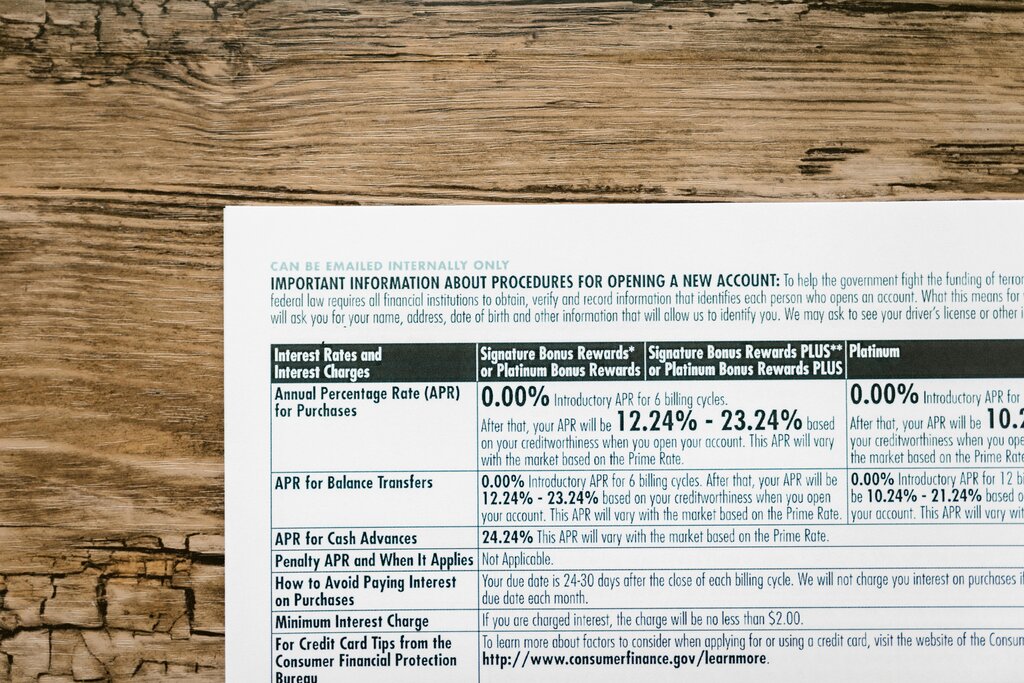
Rewards are great, but they don't exist in a vacuum. Two of the most important factors to consider are annual fees and interest rates. Many premium rewards cards charge an annual fee, which can range from under $100 to over $500. This fee is charged to your account once a year just for keeping the card open.
Is an annual fee worth it? It depends on whether the value of the rewards and benefits you get from the card outweighs the cost. A card might have a $95 fee but offer benefits like a free hotel night each year or credits for specific services that are worth much more than the fee.
For one, it's vital that you can afford to pay back the spending you do with your credit card in an effort to rack up rewards — otherwise, steep credit card interest rates will end up canceling out any of the extras you earn.
This brings us to interest rates, or APR. If you carry a balance on your credit card from one month to the next, you'll be charged interest. The interest you pay will almost always wipe out the value of any rewards you've earned. The golden rule of credit card rewards is to always pay your balance in full and on time each month.
Your Ticket to the Game
Not everyone can get the best rewards cards right away. Your eligibility is largely determined by your credit score, a number that represents your creditworthiness. A higher score tells lenders you're a responsible borrower.
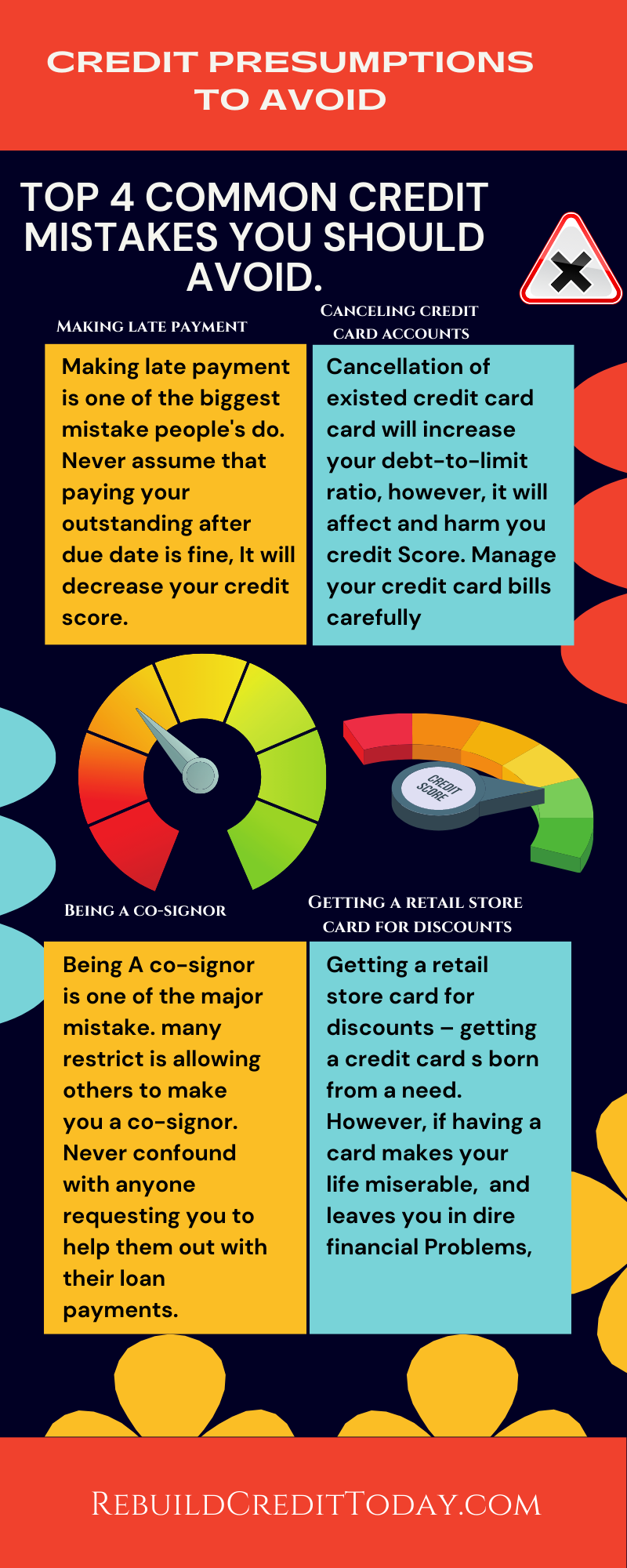
Premium travel rewards cards typically require a good to excellent credit score, which is generally considered to be 670 or higher. If your score isn't there yet, you can work on improving it by making on-time payments, keeping your credit card balances low, and avoiding opening too many new accounts at once. Building a strong credit history is the first step on the path to earning valuable rewards.
Now, let's test your understanding of these core concepts.
If your credit card offers 3% cash back on dining and you spend $50 at a restaurant, how much cash back do you earn?
Which statement best describes the value of credit card points?
These are the building blocks of credit card rewards. Understanding them is the first step toward traveling for less.