Mastering Trading Psychology
Introduction to Trading Psychology
The Market Inside Your Mind
Successful trading isn't just about analyzing charts, reading news, or mastering a complex strategy. It's also about mastering yourself. This inner game is what we call trading psychology. It’s the study of how your own mind—your thoughts, feelings, and biases—can influence your decisions in the market.
Think of it this way: two traders can have the exact same strategy, but one might consistently make money while the other loses. The difference isn't the strategy; it's their mindset.
Ignoring psychology is like trying to sail a ship without understanding the currents. You can have the best map in the world, but if you don't account for the powerful, invisible forces moving you, you'll end up far from your destination. In trading, those currents are your own emotions.
How Emotions Drive Decisions
At its core, trading psychology deals with two powerful emotions: fear and greed. These feelings are hardwired into our brains, but they can be disastrous in the market.
Fear might cause you to sell a winning trade too early, just because you're scared of losing the profits you've made. It can also paralyze you, making you miss a great opportunity because you're afraid of taking a risk.
Greed is the opposite. It might convince you to hold onto a winning trade for too long, hoping for an even bigger payday, only to watch it turn into a loss. It can also push you to take on oversized risks, like betting your whole account on a single
The cryptocurrency trading landscape is dominated by emotional decisions, missed opportunities, and human limitations.
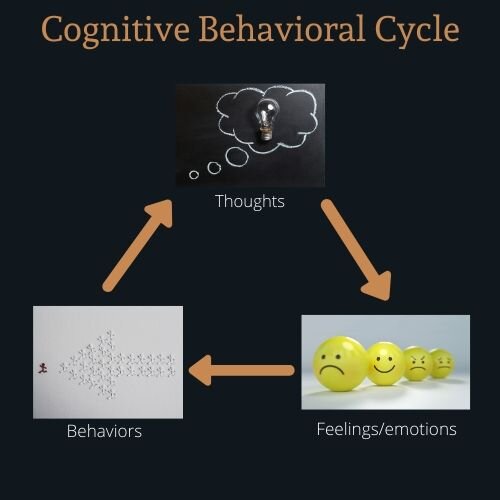
This cycle of thought, feeling, and action is a constant feedback loop. A negative thought about a trade can trigger fear, which leads to the impulsive behavior of selling at a loss. This then reinforces the original negative thought.
Common Psychological Hurdles
Every trader, from novice to expert, grapples with psychological challenges. Recognizing them is the first step toward managing them. Here are a few common ones:
Fear of Missing Out (FOMO): This is the anxiety that an exciting opportunity is passing you by. You see a stock or crypto soaring and jump in without any research, only to buy at the peak right before it crashes.
Revenge Trading: After a loss, you might feel an intense urge to make the money back immediately. This often leads to taking bigger, unplanned trades out of anger or frustration, which almost always results in even greater losses.
Impulsive Trading: This is trading based on a gut feeling or a sudden whim rather than a well-thought-out plan. It lacks discipline and turns trading into gambling.
These hurdles aren't signs of weakness. They are natural human tendencies that need to be understood and managed to trade effectively. The goal is not to eliminate emotion—that's impossible—but to prevent it from hijacking your decision-making process.
What is the primary focus of trading psychology?
In the analogy of 'sailing a ship without understanding the currents,' what do the 'currents' represent?
Developing a strong trading mindset is a journey of self-awareness. By understanding the psychological forces at play, you can start building the discipline needed for long-term success.