Mastering TPS Reports
Introduction to TPS Reports
What Is a TPS Report?
Before it became a famous office joke, the TPS report was a real technical document. The acronym stands for Test Program Set. It was a type of status report used in software engineering, particularly in the quality assurance (QA) process. When testers ran a program through a series of checks, the TPS report would detail the tests performed and their results. It was a way to track progress, document bugs, and ensure the software was ready for release.
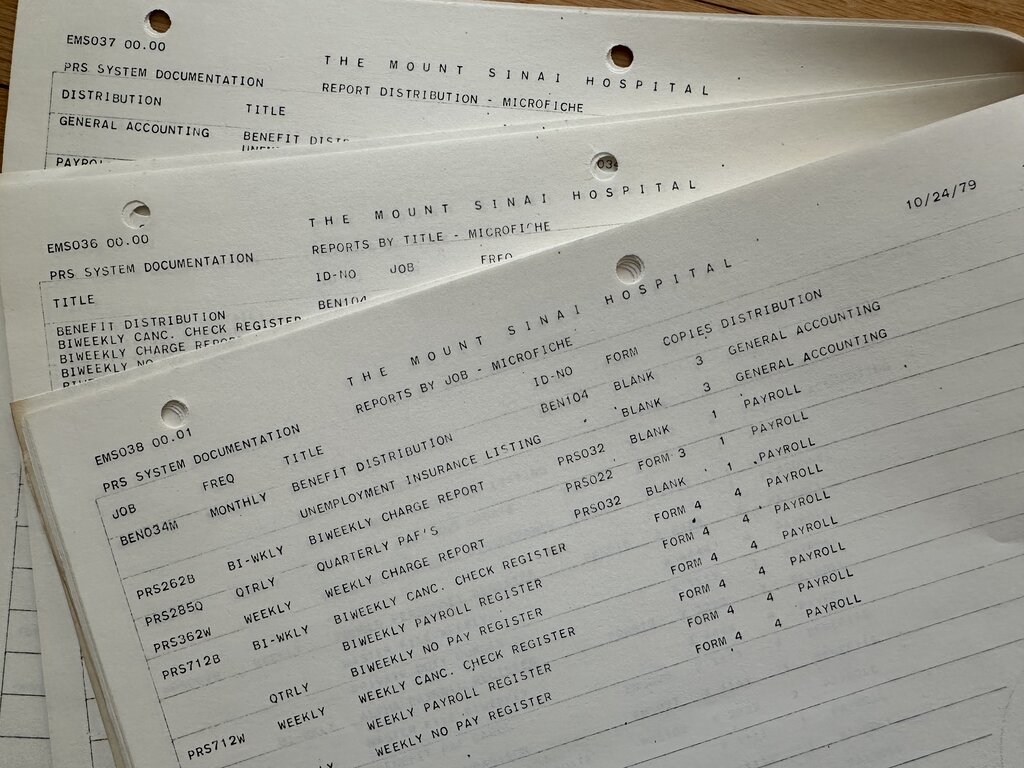
These documents were often highly detailed, technical, and crucial for developers. They were part of a structured process to maintain quality. But for anyone outside the engineering team, they could seem dense and bureaucratic. This set the stage for the term's leap into popular culture.
From Tech Term to Office Joke
The meaning of "TPS report" changed forever in 1999 with the release of the movie Office Space. The film satirizes the absurdities of corporate life, and the TPS report is a central running gag. In the movie, it represents a piece of pointless, bureaucratic paperwork that the main character, Peter, is constantly hassled about.
His bosses repeatedly remind him to put the correct cover sheet on his TPS reports. The specific content of the report is never important. The only thing that matters is following the arbitrary, mindless procedure.
"Uh oh. Sounds like somebody's got a case of the Mondays."
This portrayal perfectly captured a feeling familiar to many office workers: being forced to do tasks that seem to have no real value. The TPS report became a perfect symbol for this frustration.
The 'Office Space' Effect
Thanks to the film, mentioning a "TPS report" is now universally understood shorthand. It refers to any mundane, seemingly pointless task demanded by management. It’s the kind of work that feels more about ticking a box than achieving a meaningful goal.
This cultural impact is significant. It gave workers a shared piece of language to describe the more soul-crushing aspects of corporate bureaucracy. The term has appeared in everything from comics to other TV shows, cementing its place in the modern lexicon.

A technical term from the world of software quality assurance was transformed into a powerful symbol of workplace drudgery, all thanks to a single comedy film.