Mastering Total Quality Management
Introduction to TQM
What is Total Quality Management?
Total Quality Management, or TQM, is a way of running an organization that puts customer satisfaction at the center of everything. It isn't a specific set of rules, but a philosophy. The core idea is that long-term success comes from delivering high-quality products and services that meet or exceed customer expectations.
The “Total” in TQM means everyone in the organization, from the CEO to the front-line worker, is responsible for quality. It’s a team effort, woven into the company's culture.
This approach focuses on making continuous, small improvements to processes rather than waiting for problems to arise. By constantly refining how work gets done, companies can prevent errors, reduce waste, and improve efficiency.
Total quality management stems from the belief that mistakes can be avoided if everyone is behind the continual process of detecting, reducing, and eliminating errors.
A Brief History
The roots of TQM trace back to the early 20th century, with early quality control methods focused on inspecting finished products. If a product had a defect, it was simply discarded. This was an expensive and inefficient way to operate.
The philosophy began to truly take shape after World War II. Japanese industries, facing the challenge of rebuilding, embraced new ideas about quality. They shifted the focus from merely inspecting final products to improving the entire production process to prevent defects from happening in the first place.
The Pioneers of Quality
Several key thinkers shaped the TQM movement. Two of the most influential were W. Edwards Deming and Joseph Juran.
Deming, an American statistician, introduced methods for statistical process control in Japan. He argued that management was responsible for most quality problems. He taught that by improving processes, companies could increase quality and reduce costs simultaneously. His work was so influential that Japan's top award for quality is named the Deming Prize.
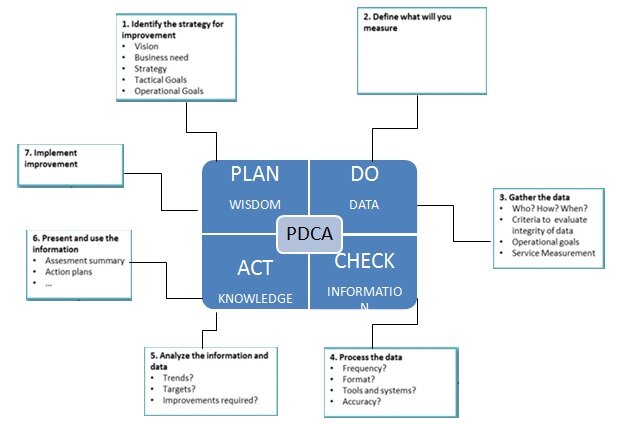
Joseph Juran, another pivotal figure, also consulted with Japanese leaders. He defined quality as “fitness for use” from the customer's perspective. Juran emphasized the importance of a structured, project-by-project approach to quality improvement. He believed in training leadership and creating a company-wide awareness of the need for constant enhancement.
Why TQM Matters
Organizations that successfully implement TQM often see significant benefits. It’s more than just a buzzword; it’s a strategy for building a stronger, more competitive business.
Some of the key advantages include:
- Improved Product Quality: By focusing on preventing defects, the final products and services are more reliable and consistent.
- Enhanced Customer Satisfaction: When a company consistently delivers high quality, customers are more satisfied and loyal.
- Increased Operational Efficiency: TQM helps identify and eliminate waste in processes, which saves time, money, and resources.
- Better Employee Morale: Involving employees in the improvement process gives them a greater sense of ownership and pride in their work.
By embedding quality into every corner of an organization, TQM provides a framework for sustainable success.