Mastering Total Addressable Market (TAM) Calculation
Understanding Market Segmentation
Finding Your People
Imagine trying to sell a product to every single person on the planet. It’s an impossible task. Not everyone needs or wants what you're offering. A company selling high-performance gaming computers isn't targeting retirees looking for a simple device to email their grandkids. Likewise, a brand offering organic baby food isn't focused on college students.
This is where market segmentation comes in. It’s the process of dividing a broad market into smaller, more manageable groups of people who have common needs, interests, and priorities. Instead of shouting into the void, you can speak directly to the people who are most likely to listen.
Segmentation helps you move from trying to be everything to everyone, to being something special for a specific group.
How to Slice the Market
Businesses slice up the market using a few key criteria. Think of them as different lenses you can use to see your potential customers more clearly. The most common methods are demographic, geographic, psychographic, and behavioral segmentation.
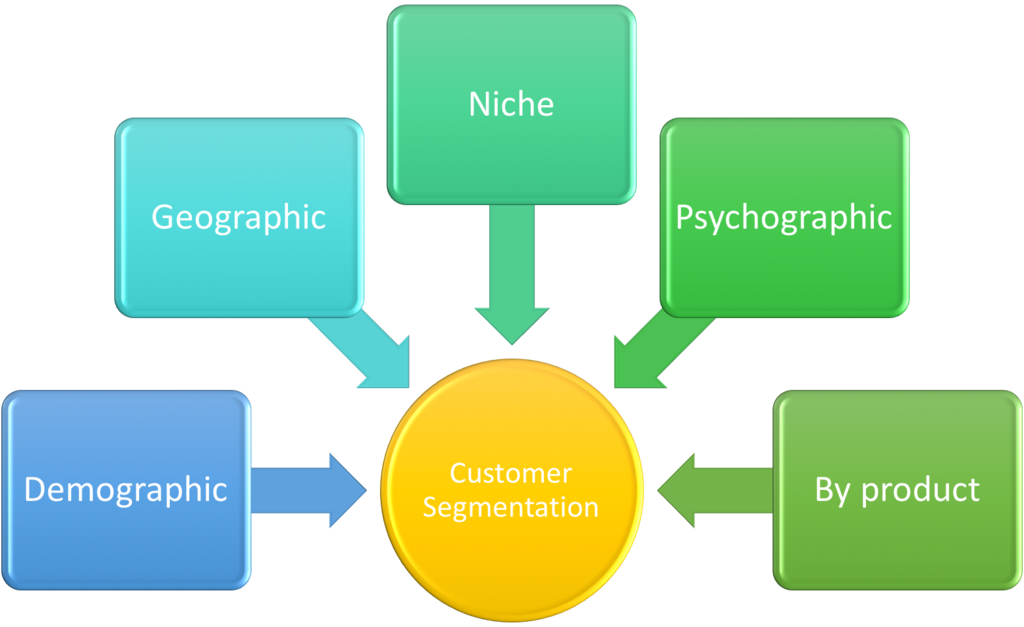
Demographic segmentation is the most straightforward. It groups people based on objective, statistical data. This includes factors like:
- Age
- Gender
- Income
- Education level
- Occupation
- Marital status
For example, a luxury car brand would segment its market to focus on individuals with high disposable incomes, while a video game company might target teenagers and young adults aged 15-30.
Geographic segmentation divides the market based on location. This can be as broad as a continent or as specific as a neighborhood. A company that sells snow shovels will focus its marketing efforts on regions with cold, snowy winters. A local restaurant, on the other hand, will target people living or working within a few miles of its physical location.
Psychographic segmentation goes deeper, focusing on the “why” behind customer choices. It groups people based on their psychological traits, such as:
- Lifestyle
- Values and beliefs
- Interests and hobbies
- Personality traits
A company selling outdoor adventure gear would target people who value experiences, enjoy nature, and have an adventurous personality. This is about connecting with customers on a more personal level.
Behavioral segmentation looks at how customers act. It groups them based on their interactions with a product or brand. This includes things like:
- Purchase history: Do they buy frequently or only during sales?
- Brand loyalty: Are they devoted to your brand, or do they switch often?
- Usage rate: Are they a heavy, medium, or light user of your product?
An e-commerce site might use behavioral segmentation to send a special discount to customers who haven't made a purchase in six months, hoping to win them back.
| Segmentation Type | What It Measures | Example |
|---|---|---|
| Demographic | Objective data (age, income) | A toy company targeting households with young children. |
| Geographic | Location (country, climate) | A surfboard brand focusing on coastal cities. |
| Psychographic | Lifestyle and values | An organic food brand marketing to health-conscious consumers. |
| Behavioral | Actions and habits | A coffee shop offering a loyalty card to frequent customers. |
The Payoff
Why go through all this trouble? Because market segmentation is incredibly powerful. It allows a business to tailor its message, product, and price to fit the specific needs of a target group. This leads to more effective marketing campaigns, since you're not wasting money trying to reach people who aren't interested.
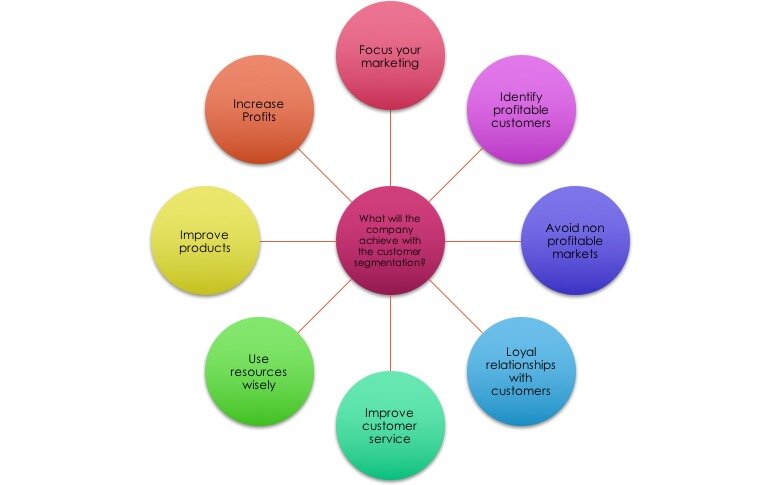
When customers feel like a brand understands them and their specific problems, they are more likely to become loyal. By focusing on a particular segment, a company can build a strong reputation and become the go-to provider for that group. Ultimately, it’s about working smarter, not harder, to connect with the right people.
Now that you understand the different ways to segment a market, let's test your knowledge.