Mastering TOGAF Step-by-Step
Introduction to TOGAF
What is TOGAF?
TOGAF, or The Open Group Architecture Framework, is a detailed method and a set of supporting tools for developing an enterprise architecture. Think of it as a blueprint for organizing the complex processes and IT infrastructure of a large organization. Its main purpose is to ensure that business strategy and technology are aligned, preventing costly mismatches and helping the organization achieve its goals efficiently.
TOGAF is a globally recognized enterprise architecture framework that provides an approach for designing, planning, implementing, and governing an enterprise information architecture.
By providing a common language and a systematic process, TOGAF helps stakeholders across an organization understand, communicate, and work towards a shared vision for the company's structure and operations. It's not a one-size-fits-all solution but a flexible framework that can be adapted to the specific needs of any enterprise.
The Core Components
TOGAF is built around a few key components that work together. Understanding these pillars is the first step to grasping how the framework functions.
Architecture Development Method (ADM)
noun
The ADM is the core of TOGAF. It's a step-by-step, iterative process for developing and managing an enterprise architecture. It provides a structured approach that guides architects from defining the initial vision to managing changes in the implemented architecture.
Next is the Architecture Content Framework. If the ADM is the how, the Content Framework is the what. It provides a detailed model of the outputs an architect creates. This includes defining standard deliverables, artifacts (like diagrams and matrices), and reusable architecture building blocks. It ensures that everyone is creating and using architectural documentation in a consistent way.
The Content Framework helps structure and standardize the outputs of the architecture process, making them easier to understand, compare, and reuse across different projects.
Finally, the Enterprise Continuum is a way to classify and organize all the architectural assets within an organization. Think of it as a virtual library for architects. It provides a model for structuring an architecture repository, allowing assets to be sorted from generic (like industry-standard models) to highly specific (like solutions for a particular department).
This classification system encourages the reuse of existing architectural components, saving time and effort while ensuring consistency.
The Benefits of TOGAF
Adopting TOGAF provides a structured, repeatable process for architecture development, which leads to several key advantages. It helps reduce costs by promoting the reuse of assets and avoiding redundant work. It also improves communication between business and IT departments by establishing a shared vocabulary and set of concepts.
Ultimately, a well-implemented enterprise architecture using TOGAF helps an organization become more agile. It provides a clear understanding of the current state and a roadmap for the future, making it easier to adapt to market changes, new technologies, and evolving business strategies.
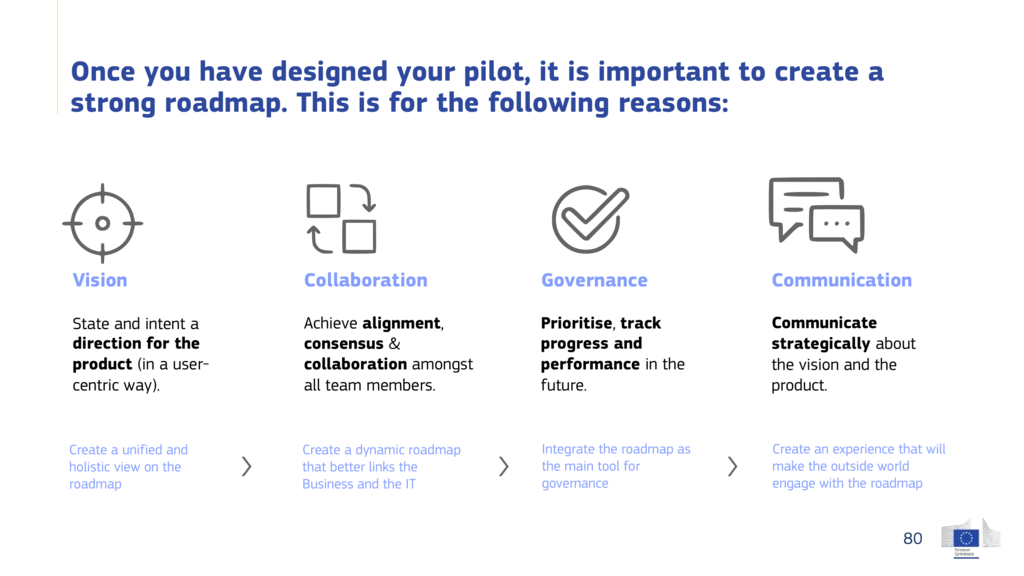
This structured approach helps manage complexity, mitigate risks, and ensure that technology investments deliver real business value.
What is the primary purpose of The Open Group Architecture Framework (TOGAF)?
Which TOGAF component acts as a 'virtual library' for classifying and organizing architectural assets from generic to specific?
These foundational concepts provide the basis for designing, planning, and governing an organization's architecture.