Mastering Time for Knowledge Workers
Understanding Time Management
What Is Time Management?
Time management is the process of organizing and planning how to divide your time between specific activities. It’s not about squeezing more tasks into your day, but about working smarter, not harder. When you manage your time well, you gain control over your workload, which leads to increased effectiveness and lower stress levels.
Good time management isn’t about doing more; it’s about doing what matters efficiently and without unnecessary stress.
For knowledge workers—people whose main capital is knowledge, like programmers, writers, or analysts—this skill is critical. Your work often isn't about completing a series of predictable, physical tasks. Instead, it involves thinking, problem-solving, and creativity. This kind of work doesn't fit neatly into a 9-to-5 box, making deliberate time management essential.
The Modern Workplace Challenge
Knowledge work today is a juggling act. You're constantly bombarded with information: emails, instant messages, articles, and reports. This firehose of data can make it difficult to focus on what’s truly important. Every notification pulls your attention away from deep, concentrated work.
Frequent interruptions are another major hurdle. A coworker stops by your desk, a last-minute meeting appears on your calendar, or an urgent email derails your plans. Each time you switch tasks, you lose momentum and it takes time to get back into the flow. This “context switching” is a hidden productivity killer.
The core challenge isn't a lack of time; it's a lack of focused, uninterrupted time.
Common Pitfalls
Even with the best intentions, it's easy to fall into time management traps. One of the most common is simply not having a plan. If you start your day without a clear idea of your priorities, you're likely to get pulled into other people's agendas.
Procrastination is another classic pitfall. We put off big, important tasks in favor of small, easy ones because they offer a quick sense of accomplishment. Multitasking is also a trap. While it feels like you're being productive, research shows that trying to do multiple things at once reduces the quality of your work and actually takes more time.
| Pitfall | Description |
|---|---|
| No Plan | Starting the day without clear priorities. |
| Procrastination | Delaying important tasks for easier, less critical ones. |
| Multitasking | Juggling multiple tasks at once, leading to lower quality and efficiency. |
| Failing to Set Boundaries | Allowing constant interruptions from emails, messages, or colleagues. |
Strategies for Success
Overcoming these challenges starts with adopting a few core strategies. You don’t need a complex system, just a clear approach. The first step is prioritization: identifying what’s most important and deserves your focus. This means learning to distinguish between what is urgent and what is truly valuable.
Once you know your priorities, you can move on to scheduling. This involves blocking out specific times in your calendar to work on those high-priority tasks. This deliberate planning protects your time and ensures you make progress on your most significant goals.
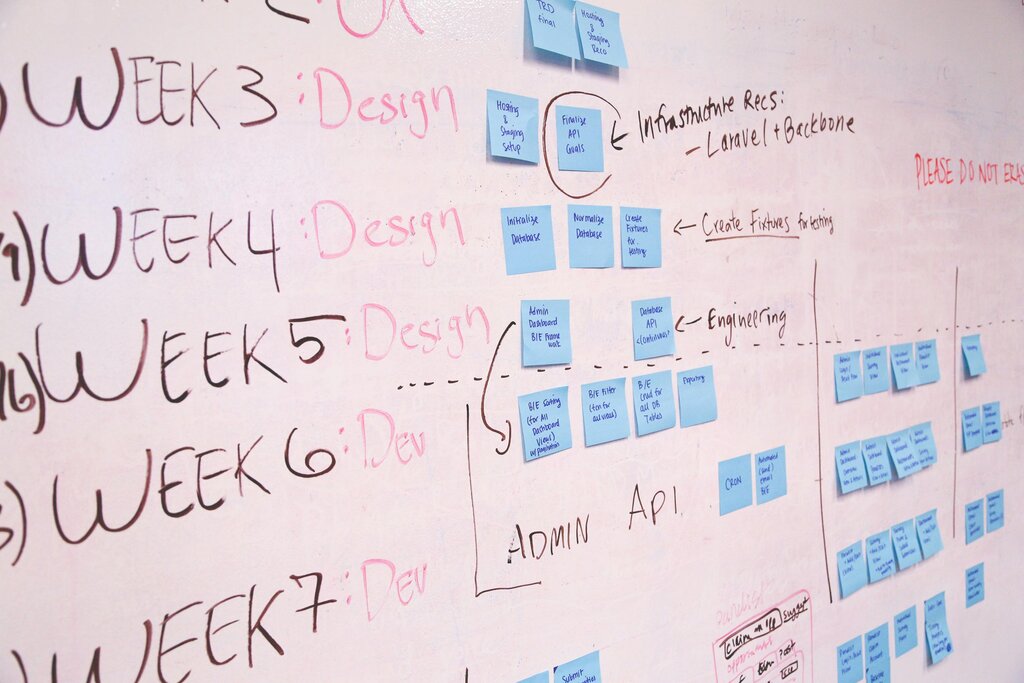
Finally, setting boundaries is key. This could mean turning off notifications for an hour, scheduling specific times to check email, or letting your team know when you're in a period of deep work. These strategies are not about being rigid; they are about creating the space you need to think and produce high-quality work.
Ready to check your understanding?
What is the primary goal of effective time management for a knowledge worker?
According to the text, what is the 'hidden productivity killer' for knowledge workers?
By understanding these fundamental ideas, you can start building a system that works for you, leading to more productive days and a greater sense of accomplishment.