Mastering Time Blocking for Productivity
Introduction to Time Blocking
What Is Time Blocking?
A to-do list tells you what you need to do. Time blocking tells you when you're going to do it. It’s a simple shift in perspective, but it makes a huge difference.
Time blocking is a time management method where you divide your day into blocks of time, each dedicated to a specific task or group of tasks.
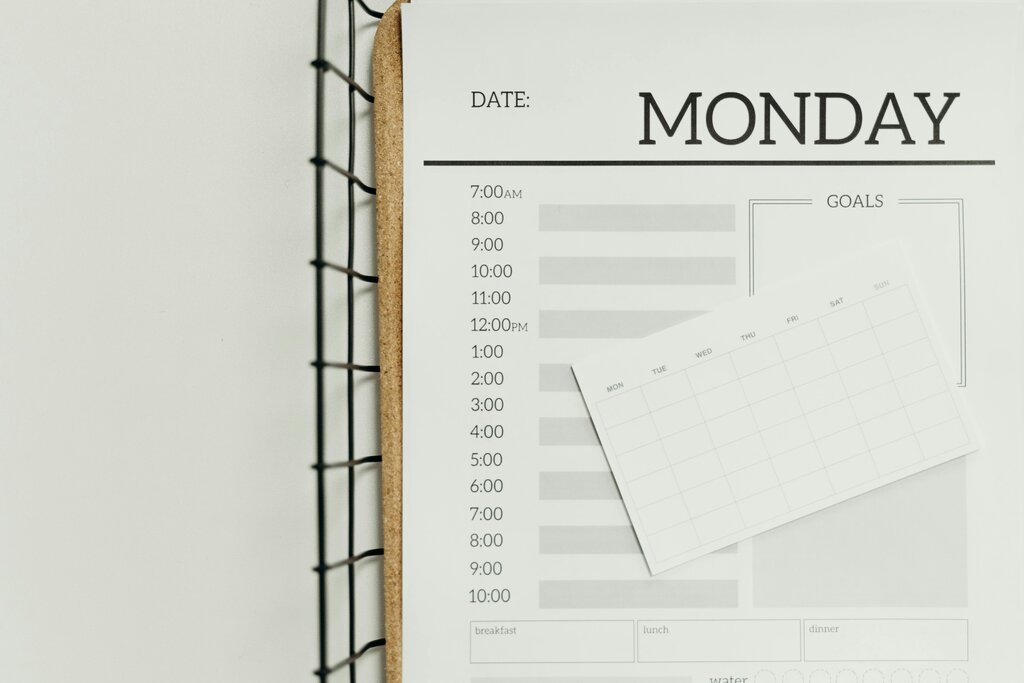
Instead of working from a long, overwhelming list of tasks, you schedule appointments with yourself to get specific things done. A block might be 30 minutes for answering emails, two hours for studying for an exam, or an hour for a project meeting. The goal is to give every minute of your day a job.
Why Bother Blocking Your Time?
If a to-do list works for you, why change? Because time blocking moves you from being reactive to being proactive. It helps you take control of your day instead of letting your day control you.
Here are the main benefits:
Deep Focus: Multitasking is a myth. When you switch between tasks, your brain loses momentum and takes time to refocus. This is called context switching. By dedicating a solid block of time to a single task, you eliminate distractions and allow yourself to enter a state of deep work. You'll accomplish more in less time.
Intentional Priorities: When you have a finite number of blocks in your day, you're forced to decide what's truly important. It's easy to fill your day with small, urgent tasks that don't move you toward your bigger goals. Time blocking makes you schedule the important stuff—like studying, exercise, or planning—ensuring it doesn't get pushed aside.
Reduced Stress: That nagging feeling that you're forgetting something? Time blocking helps quiet that voice. When you have a plan for your day, you don't need to waste mental energy deciding what to do next. You just look at your calendar and start. This clarity reduces anxiety and decision fatigue, freeing up your mind to focus on the task at hand.
Common Misconceptions
Some people are hesitant to try time blocking because of a few common myths. Let's clear them up.
Misconception
noun
A view or opinion that is incorrect because it is based on faulty thinking or understanding.
Myth #1: It's too rigid and restrictive. A time-blocked schedule isn't a prison. It's a guide. Life is unpredictable, and things will inevitably pop up. A phone call will run long, or a task will take more time than you thought. The key is to see your schedule as a flexible blueprint. If you get off track, simply adjust the rest of your day. The plan gives you a structure to return to, which is far better than having no structure at all.
Myth #2: It takes too much time to plan. Planning your day does take time—maybe 10 to 15 minutes. But think about how much time you waste throughout the day deciding what to do next, getting distracted, or procrastinating on big tasks. That small investment in planning pays off by saving you hours of wasted time and mental energy later on.
Myth #3: I can't predict everything in my day. No one can. Time blocking isn't about perfectly predicting the future. It's about setting intentions. If your job involves reacting to unexpected requests, you can block out time for that. Create a two-hour block called "Reactive Work" where you handle emails, calls, and unexpected issues. This contains the chaos to a specific window, protecting your other blocks for focused, proactive work.
What is the primary shift in perspective when moving from a to-do list to time blocking?
How should a time-blocked schedule be treated to overcome the myth that it's too rigid?
By understanding these core concepts, you've built a solid foundation for using time blocking to manage your time more effectively.