Mastering Time Blocking for Balanced Living
Understanding Time Blocking
What is Time Blocking?
Most of us use to-do lists to keep track of what we need to accomplish. But a list only tells you what you need to do, not when you'll do it. That's where time blocking comes in.
Time blocking is a time management method where you schedule your day by dividing it into chunks of time dedicated to specific tasks or activities. Instead of a simple list of tasks, you give every task a home on your calendar.
A standard to-do list tells you what you need to do. Time blocking tells you when you're going to do it.
This idea isn't new. In the 18th century, Benjamin Franklin famously followed a strict daily schedule, dedicating specific hours to work, meals, learning, and reflection. He planned his entire day, from 5 a.m. to 10 p.m., to ensure he was using his time with intention. Time blocking is the modern version of this disciplined approach.
time blocking
noun
The practice of scheduling out every part of your day, assigning specific 'blocks' of time to each task or activity.
Why It Works
Time blocking is effective because it tackles common productivity hurdles head-on. By assigning a specific time for a task, you eliminate the mental debate about what to do next or when to start. This reduces procrastination and the feeling of being overwhelmed.
It also encourages 'single-tasking.' When you dedicate a block of time to one thing, you're less likely to get distracted by other tasks. Constantly switching between different types of work, known as context switching, drains mental energy and makes you less efficient. Time blocking helps you stay focused on the task at hand.
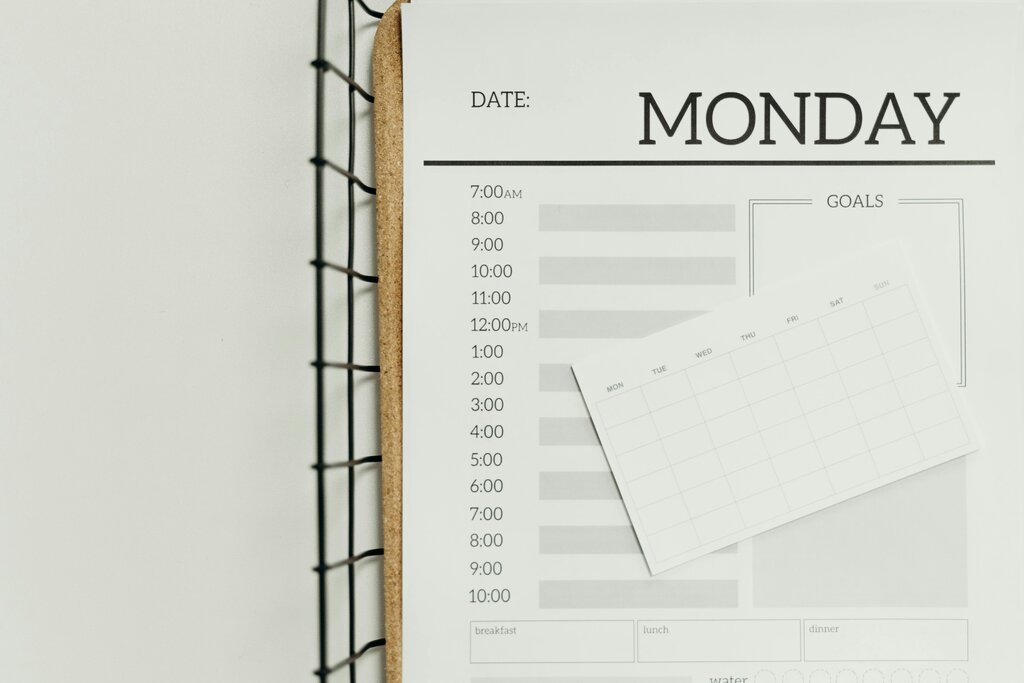
Finally, planning your day in blocks forces you to be realistic about how much you can actually accomplish. We often overestimate what we can do in a day. By mapping tasks to actual hours, you get a clear picture of your capacity and can prioritize more effectively.
Treating your time as a finite resource, like spaces on a calendar, encourages you to be more intentional with how you spend it.
Getting Started with Time Blocking
You don't need fancy software to start time blocking. A simple notebook or a basic calendar app works just fine. Here are the basic steps to implement it.
-
List Your Tasks: At the beginning of the day or the night before, write down everything you need to accomplish. This is your master to-do list.
-
Estimate Time: Next to each task, estimate how long it will take. Be honest and add a little extra time, especially when you're just starting out. It's better to overestimate than underestimate.
-
Schedule Your Blocks: Open your calendar and start scheduling your tasks as appointments. Start with your most important or challenging tasks, often called 'eating the frog.' Place them at times when you have the most energy.
-
Add Buffers and Breaks: Don't schedule every minute. Leave some empty space between blocks to act as a buffer. This gives you flexibility if a task takes longer than expected or if something unexpected comes up. Be sure to schedule breaks for lunch, rest, and personal time, too.
| Time | Task |
|---|---|
| 9:00 - 9:30 AM | Review emails & plan day |
| 9:30 - 11:30 AM | Work on Project A (Deep Work) |
| 11:30 - 12:00 PM | Short break / walk |
| 12:00 - 1:00 PM | Lunch |
| 1:00 - 2:30 PM | Team Meeting |
| 2:30 - 4:00 PM | Write report for Project B |
| 4:00 - 4:30 PM | Respond to emails |
| 4:30 - 5:00 PM | Prepare for tomorrow |
Remember to be flexible. A time-blocked schedule is a guide, not a rigid set of rules. The goal is to bring more intention and structure to your day, not to create stress. If you get off track, just adjust your plan and keep going.
Consistency is key to making time blocking a habit.
Let's check your understanding of these core concepts.
What is the primary purpose of the time blocking method?
The first step in the time blocking process is to estimate how long each of your tasks will take.
Time blocking is a straightforward but powerful method to take control of your schedule and focus your attention. By planning when and where you'll do your work, you can reduce stress and increase your productivity.