Mastering Time Blocking for Balanced Living
Introduction to Time Blocking
What is Time Blocking?
Most of us use a to-do list to keep track of tasks. It’s a simple list of things we need to accomplish. The problem? A to-do list tells you what you need to do, but not when or how you'll do it. It’s a collection of goals with no plan of action.
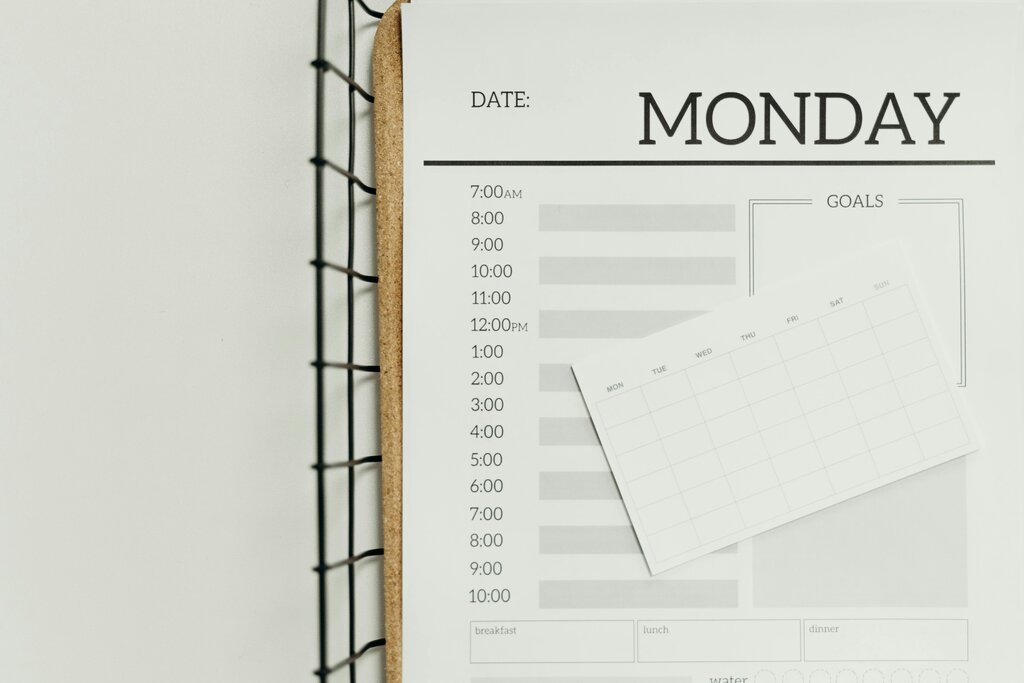
Time blocking bridges that gap. It’s a time management method where you schedule specific blocks of time for every task in your day. Instead of an open-ended list, you assign each task a home on your calendar. This means every minute of your day has a purpose, from focused work sessions to breaks and meals.
Time blocking isn't about filling every second with work. It’s about being intentional with all your time, including rest.
By planning your day in advance, you move from a reactive state—constantly deciding what to do next—to a proactive one. You’ve already made the decisions. All that's left is to execute the plan. This simple shift reduces mental clutter and the stress of juggling competing priorities.
An Old Idea
While it might seem like a modern productivity hack, the concept of meticulously planning your day is centuries old. One of its most famous practitioners was Benjamin Franklin. He developed a detailed daily schedule to live a more productive and virtuous life.
Franklin's day was divided into distinct blocks for sleep, work, and meals. He also scheduled time for reflection in the morning and evening, asking himself, "What good shall I do this day?" and later, "What good have I done today?" This structured approach helped him make remarkable contributions as a scientist, inventor, and statesman.
| Time | Benjamin Franklin's Focus |
|---|---|
| 5am - 8am | Rise, wash, and address Powerful Goodness; plan day |
| 8am - 12pm | Work |
| 12pm - 2pm | Read, or overlook my accounts, and dine |
| 2pm - 6pm | Work |
| 6pm - 10pm | Put things in their places; supper, music or diversion, or conversation; examination of the day |
| 10pm - 5am | Sleep |
His system shows that time blocking is fundamentally about living with intention. By deciding ahead of time what deserves your focus, you take control of your day instead of letting the day control you.
Why It Works
Time blocking is effective for several reasons, touching on both productivity and personal well-being.
1. It Combats Multitasking. Our brains aren't wired to do multiple things at once. When we try, we're actually just switching between tasks rapidly, which drains energy and hurts performance. Time blocking encourages "single-tasking." By dedicating a specific block of time to one thing, you give yourself permission to focus completely, leading to higher-quality work.
2. It Protects Your Time. A time-blocked schedule makes it clear where your time is going. When a new request or distraction comes up, you can see exactly what you'd have to give up to accommodate it. This makes it easier to say no to things that don't align with your priorities and protects the time you've set aside for important work.
3. It Reduces Decision Fatigue. Throughout the day, we make countless small decisions. What should I work on now? Should I check my email? This constant decision-making is mentally exhausting. With time blocking, you make most of these decisions upfront when you plan your day. When the time comes to work, you can dive right in without wasting mental energy.
4. It Promotes Work-Life Balance. Because time blocking involves scheduling everything, it forces you to be realistic about what you can achieve in a day. It also encourages you to schedule time for personal activities, like exercise, hobbies, and time with family. When these activities are on your calendar, they become non-negotiable commitments, just like a work meeting. This helps prevent work from spilling over into your personal life, leading to a healthier balance and preventing burnout.

Now that you understand the what and why of time blocking, let's test your knowledge.
What is the primary difference between a traditional to-do list and a time-blocked schedule?
According to the text, which historical figure was a famous practitioner of a detailed daily schedule similar to modern time blocking?
By turning your to-do list into a schedule, time blocking provides a clear, intentional path for your day, boosting both your productivity and your peace of mind.