Mastering Time Blocking for Balanced Living
Understanding Time Blocking
What Is Time Blocking?
Imagine your day is like an empty suitcase. If you just throw things in, you'll run out of space quickly and end up with a wrinkled mess. But if you plan and fold each item, you can fit much more in an organized way. Time blocking applies this same logic to your schedule.
Time blocking
noun
A time management method where you divide your day into specific blocks of time, with each block dedicated to accomplishing a specific task or group of related tasks.
Instead of working from a simple to-do list, where you reactively pick what to do next, time blocking encourages you to proactively decide what you'll work on and when. You're not just listing your tasks; you're giving them a specific home in your calendar. This simple shift forces you to be realistic about what you can accomplish and helps you prioritize what truly matters.
Time blocking is one of the best ways to make sure you’re working on the right things at the right time.
A Strategy with History
This method isn't a new trend from a productivity app. It's a time-tested strategy used by some of history's most productive people. One of the most famous early adopters was Benjamin Franklin. He structured his entire day, from his 5 a.m. wake-up call to his evening examination, with a clear purpose for each block of time.
| Time | Benjamin Franklin's Plan |
|---|---|
| 5am - 8am | Rise, wash, plan the day, study, breakfast |
| 8am - 12pm | Work |
| 12pm - 2pm | Read, check accounts, lunch |
| 2pm - 6pm | Work |
| 6pm - 10pm | Tidy up, supper, music, conversation, reflect |
| 10pm - 5am | Sleep |
Franklin's schedule shows the core principle of time blocking: intentionality. He didn't just hope he'd find time for study or reflection; he scheduled it. This approach ensured that his big priorities and small routines all had their place.
Why It Works
Time blocking is effective because it tackles several common productivity hurdles at once. First, it helps you manage your attention, not just your time. By dedicating a block to a single task, like "Draft history essay introduction," you give yourself permission to ignore emails, texts, and other distractions. It’s easier to focus when you know you've already scheduled time for those other activities later.
Second, it cuts down on decision fatigue. When you don't have a plan, you spend mental energy throughout the day deciding what to do next. A time-blocked schedule makes the decision for you. You just look at your calendar and get started.
Finally, it provides a clear picture of your commitments. When you block out time for classes, work, studying, exercise, and social life, you can see how your time is actually being spent. This makes it much easier to strike a healthy balance and avoid overcommitting yourself.
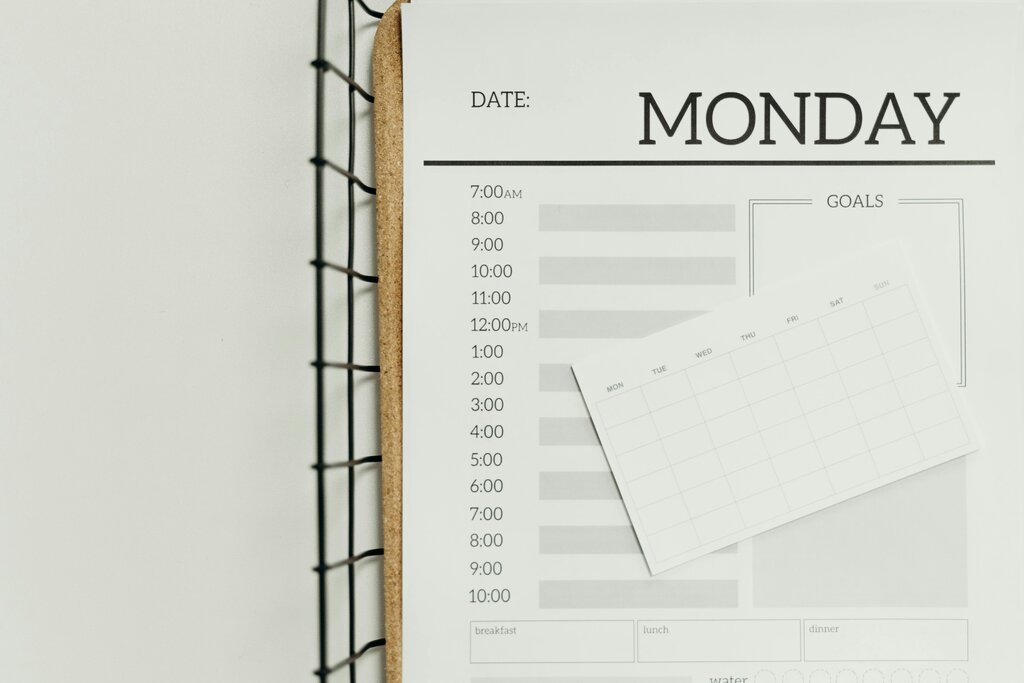
For example, a student's schedule might include a block from 9:00 to 10:30 a.m. for attending a biology lecture, followed by a 30-minute block for a quick break. Then, from 11:00 a.m. to 12:30 p.m., they might block out time to work on a math problem set. Later in the afternoon, there could be a block for a part-time job, and in the evening, specific blocks for dinner, socializing with friends, and an hour of reading before bed. Each part of the day has a purpose.
By planning your day in advance, you move from a reactive mindset to a proactive one, taking control of your schedule instead of letting it control you.