Mastering Time Blocking for Balance
Understanding Time Blocking
Giving Your Time a Job
Imagine your time is like money in a bank account. You wouldn't just spend it randomly without a plan, right? Time blocking is a way of creating a budget for your time. Instead of a vague to-do list, you decide in advance what you're going to work on and when. You schedule specific blocks of time for specific tasks.
The idea is simple: give every minute of your day a purpose.
This isn't a new concept. Long before digital calendars, people like Benjamin Franklin planned their days with purpose. He had a famous daily schedule that allocated time for work, study, meals, and reflection. The core principle remains the same: being intentional with your time helps you achieve more.
The Payoff
So why bother? The main benefit is focus. When you've set aside 90 minutes for a specific project, you're less likely to get sidetracked by emails or social media. You’ve made a commitment to yourself to do one thing. This single-tasking approach fights the myth of multitasking. Switching between tasks constantly comes with a mental cost, slowing you down and increasing errors. Time blocking forces you to concentrate on one thing at a time, leading to higher quality work done in less time.
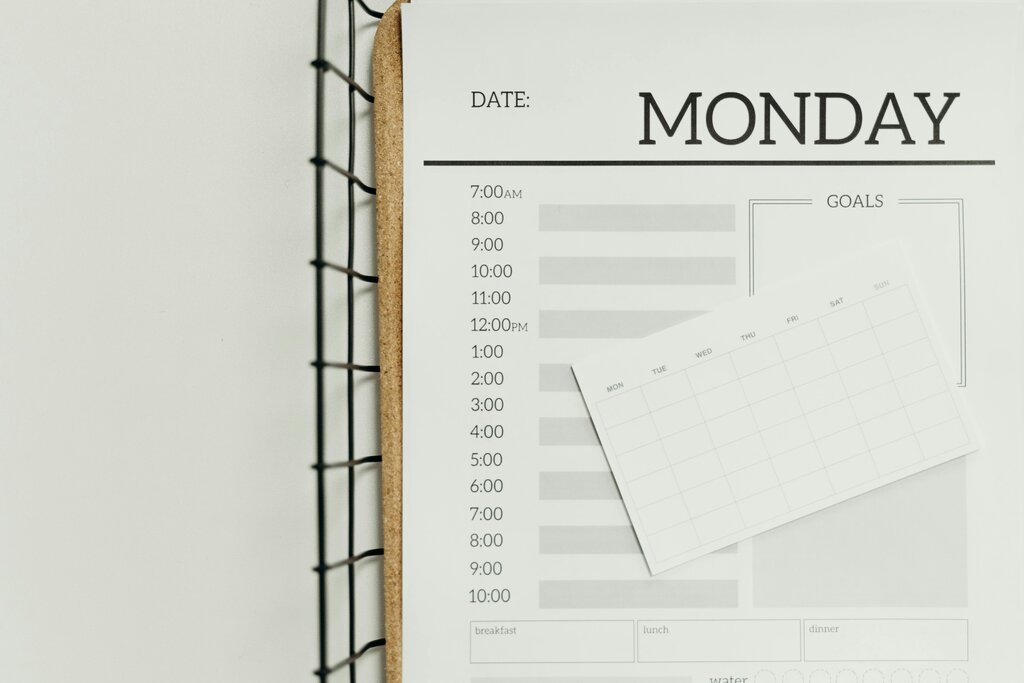
This method also brings clarity and reduces stress. Instead of worrying about all the things you could be doing, you can trust your schedule. It’s all been planned out. This frees up mental energy and helps create a healthy balance between school, work, and your personal life, because you schedule time for all of it.
How to Start
Getting started with time blocking is straightforward. You don't need any fancy tools, just a calendar and a few minutes to plan.
First, identify your priorities. What are the most important things you need to accomplish? This includes academic deadlines, work tasks, and personal appointments. Also, think about your goals, like exercising or reading for pleasure.
Next, estimate how much time each task will realistically take. It's easy to be too optimistic. If you think an assignment will take an hour, maybe block out 90 minutes to be safe. It's better to finish early than to run out of time.
Finally, open your calendar and start scheduling. Create blocks for your tasks, but don't forget to schedule breaks, meals, and downtime. A schedule packed from morning to night without any room to breathe is a recipe for burnout. Your plan should be a guide, not a prison.
Remember, the goal of time blocking is not to be a robot. It's to be intentional. Life happens, and schedules need to be flexible. Think of your time-blocked calendar as a roadmap. Sometimes you’ll take a detour, and that’s okay. The important thing is having a plan to get you back on track.
What is the primary principle behind time blocking?
According to the text, how does time blocking improve the quality of your work?
By planning your days, you take control of your time instead of letting it control you. It's a simple but powerful shift that can make a big difference in your productivity and well-being.