Mastering Time and Productivity
Understanding Time Management
What is Time Management?
Time management is the process of planning and controlling how you spend your time on specific activities. Good time management allows you to work smarter, not harder, so that you get more done in less time, even when time is tight and pressures are high.
It isn't about squeezing every last second out of the day. It's about making conscious choices that help you focus on what truly matters, reducing stress and creating more space for the things you enjoy. Think of it as the skill of deciding what to do, when to do it, and how to get it done.
Time Management
noun
The practice of using the time that you have available in a useful and effective way, especially in your work.
Ultimately, managing your time well gives you control. Instead of feeling rushed and reactive, you can be proactive and intentional with your days.
The Core Principles
Effective time management rests on a few simple but powerful ideas. Mastering them is the first step toward taking control of your schedule.
Goal Setting: Know Your Destination You can't manage your time effectively if you don't know what you're working toward. Setting clear, specific goals gives you direction. A vague goal like "get in shape" is hard to act on. A specific goal like "walk for 30 minutes, three times a week" gives you a clear target to schedule and achieve.
Goals are the 'why' behind your daily tasks. They provide motivation and help you see the bigger picture, making it easier to prioritize what's important.
Prioritization: Decide What Matters Most Not all tasks are created equal. Prioritization is the skill of identifying your most important work. A simple way to think about this is to consider both the urgency and importance of a task. Urgent tasks demand immediate attention, but important tasks are those that contribute to your long-term goals.
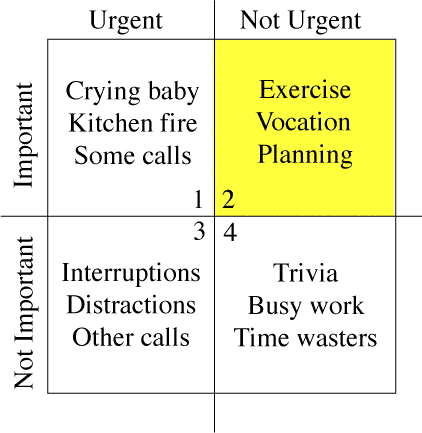
Many people get caught up in tasks that are urgent but not important, like responding to every email notification instantly. Focusing first on what's important, whether it's urgent or not, is key to making real progress.
Scheduling: Create a Plan Once you know your goals and priorities, scheduling is how you make a concrete plan to work on them. This means dedicating specific blocks of time to specific tasks. A schedule turns your intentions into a roadmap for your day or week, providing structure and reducing the mental energy spent on deciding what to do next.
Benefits and Challenges
When you manage your time well, the benefits extend far beyond an empty inbox. You'll likely experience less stress because you have a clear plan and aren't constantly worried about forgetting something. This leads to greater productivity and efficiency, as you're focusing your energy on high-impact tasks.
Other benefits include improved decision-making, as you have more time to think through your options, and more free time to dedicate to hobbies, family, and rest. Most importantly, it empowers you to make steady progress toward your most significant long-term goals.
Of course, it's not always easy. Common challenges can derail even the best intentions.
| Challenge | A Simple Solution |
|---|---|
| Procrastination | Break down large, intimidating tasks into very small, manageable steps. Focus on completing just the first tiny step. |
| Distractions | Create a dedicated focus environment. Turn off notifications on your phone and computer when working on an important task. |
| Feeling Overwhelmed | When you have too much to do, take a moment to pause and review your priorities. Pick just one thing to focus on and ignore the rest for now. |
Addressing these challenges starts with recognizing them. By applying the core principles of goal setting, prioritization, and scheduling, you can build a system that works for you.
What is the primary goal of good time management?
According to time management principles, which types of tasks should you focus on first to make the most meaningful progress?
Understanding these foundational concepts is the first step toward building better habits and achieving your goals with less stress.