Mastering Tile Showers and Bathrooms
Tile Selection
Choosing the Right Tile
Selecting tiles for a bathroom or shower is a balancing act between style and practicality. The right tile will not only look great but also stand up to the daily challenges of a wet environment. Let's break down the key factors to consider, from the material itself to the size and finish.
Ceramic vs. Porcelain
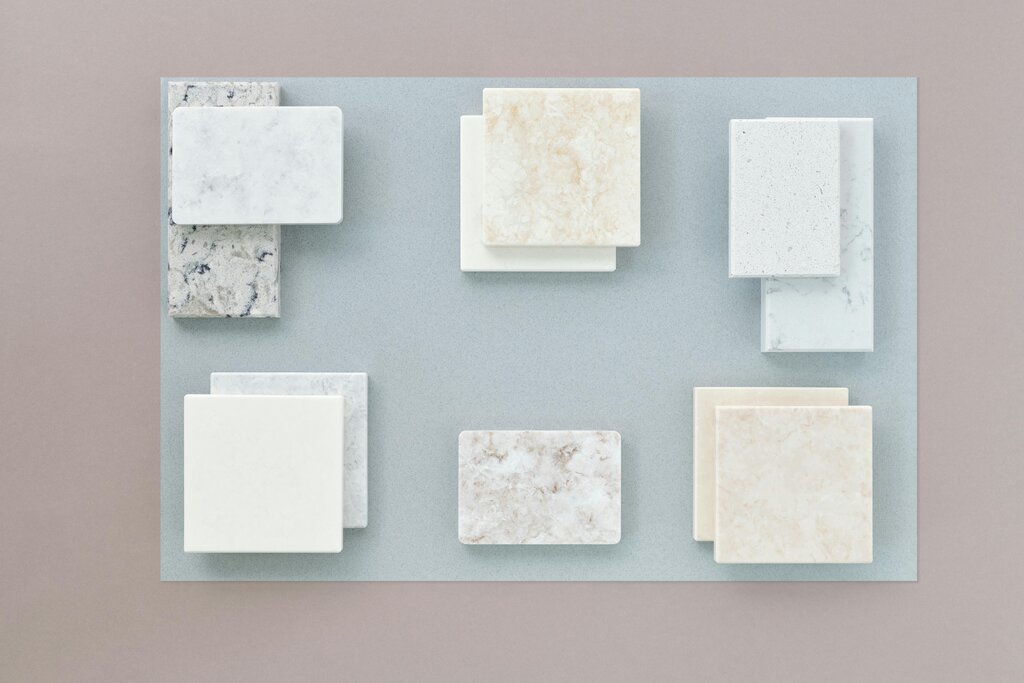
At first glance, ceramic and porcelain tiles can look very similar. They're both made from clay fired in a kiln, but the difference lies in the details of their creation. Porcelain is made from a more refined, denser clay and is fired at higher temperatures for a longer time. This process makes porcelain tiles harder, denser, and less porous than their ceramic counterparts.
Think of it like the difference between a regular brick and a dinner plate. Both are clay, but one is much tougher and more resistant to water.
This difference in porosity is crucial in a bathroom. Because porcelain absorbs less water, it's a superior choice for wet areas like shower walls, ceilings, and bathroom floors. While a glazed ceramic tile has a protective surface, any chips or cracks can expose the porous body underneath, potentially leading to water damage over time. Porcelain's color and composition are consistent all the way through, so a chip is much less noticeable and problematic.
| Feature | Ceramic Tile | Porcelain Tile |
|---|---|---|
| Water Absorption | Higher (more porous) | Lower (very dense) |
| Durability | Good | Excellent |
| Best Use | Walls, low-traffic areas | Floors, showers, high-traffic areas |
| Cost | Generally less expensive | Generally more expensive |
Durability is another factor. The Porcelain Enamel Institute (PEI) rating scale measures a tile's surface hardness and resistance to abrasion. For a residential bathroom floor, a tile with a PEI rating of 3 is sufficient. For a shower wall, where there's no foot traffic, a lower rating is perfectly fine.
Safety First
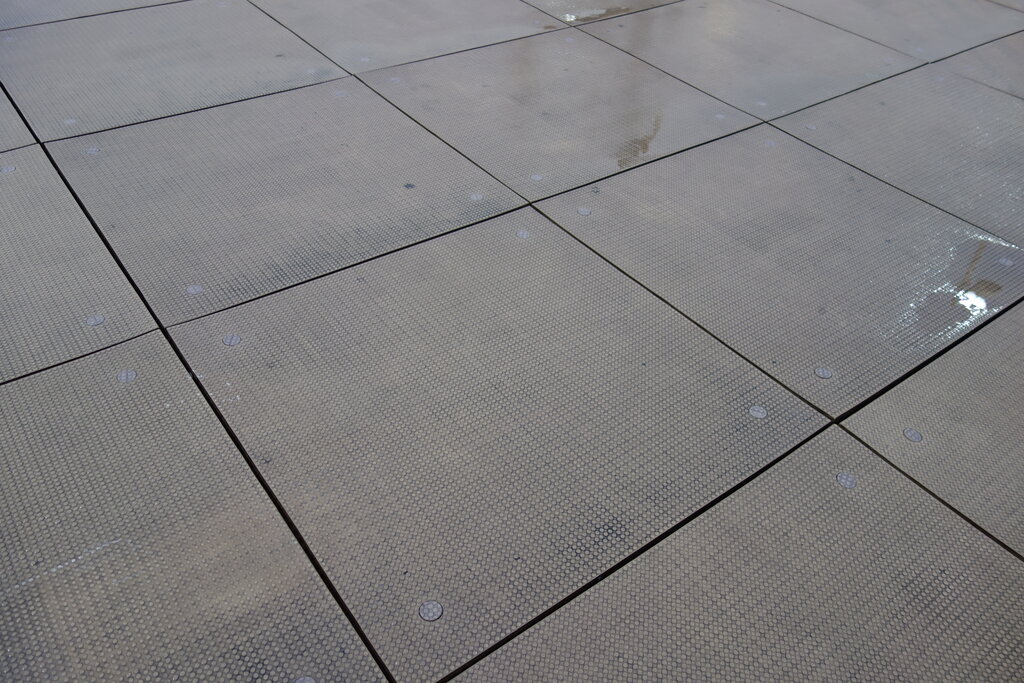
A bathroom floor is a prime spot for slips and falls. That's why choosing a tile with a slip-resistant surface is non-negotiable, especially inside a shower. The texture and finish of a tile determine how slippery it will be when wet.
To measure this, the tile industry uses a rating called the Dynamic Coefficient of Friction (DCOF). This test measures the friction of a surface when an object is already in motion. For level interior spaces expected to be walked upon when wet, industry standards recommend a DCOF value of 0.42 or greater. Always check the tile's specifications for this rating before you buy.
A simple rule of thumb: If a tile feels smooth and glassy, it's probably best for a wall, not a floor.
Size and Style
Once you've narrowed down the material and safety features, you can focus on aesthetics. The size, color, and pattern of your tiles will define the look and feel of your bathroom.
Tile size can trick the eye. Using large-format tiles (12x24 inches or bigger) on the floor and walls can make a small bathroom feel more spacious because there are fewer grout lines to break up the visual field.
On the other hand, small mosaic tiles are often used for shower floors. This isn't just for looks. The sheer number of grout lines creates a textured, naturally slip-resistant surface. Small tiles are also better at conforming to the gentle slope of a shower floor that directs water toward the drain.
Color and pattern are where you can inject personality. Light colors like white, beige, or light gray can make a space feel bright, clean, and open. Darker colors like charcoal or navy can create a moody, sophisticated, and dramatic atmosphere. A patterned tile can serve as a stunning focal point on a floor or an accent wall, adding character without overwhelming the space.
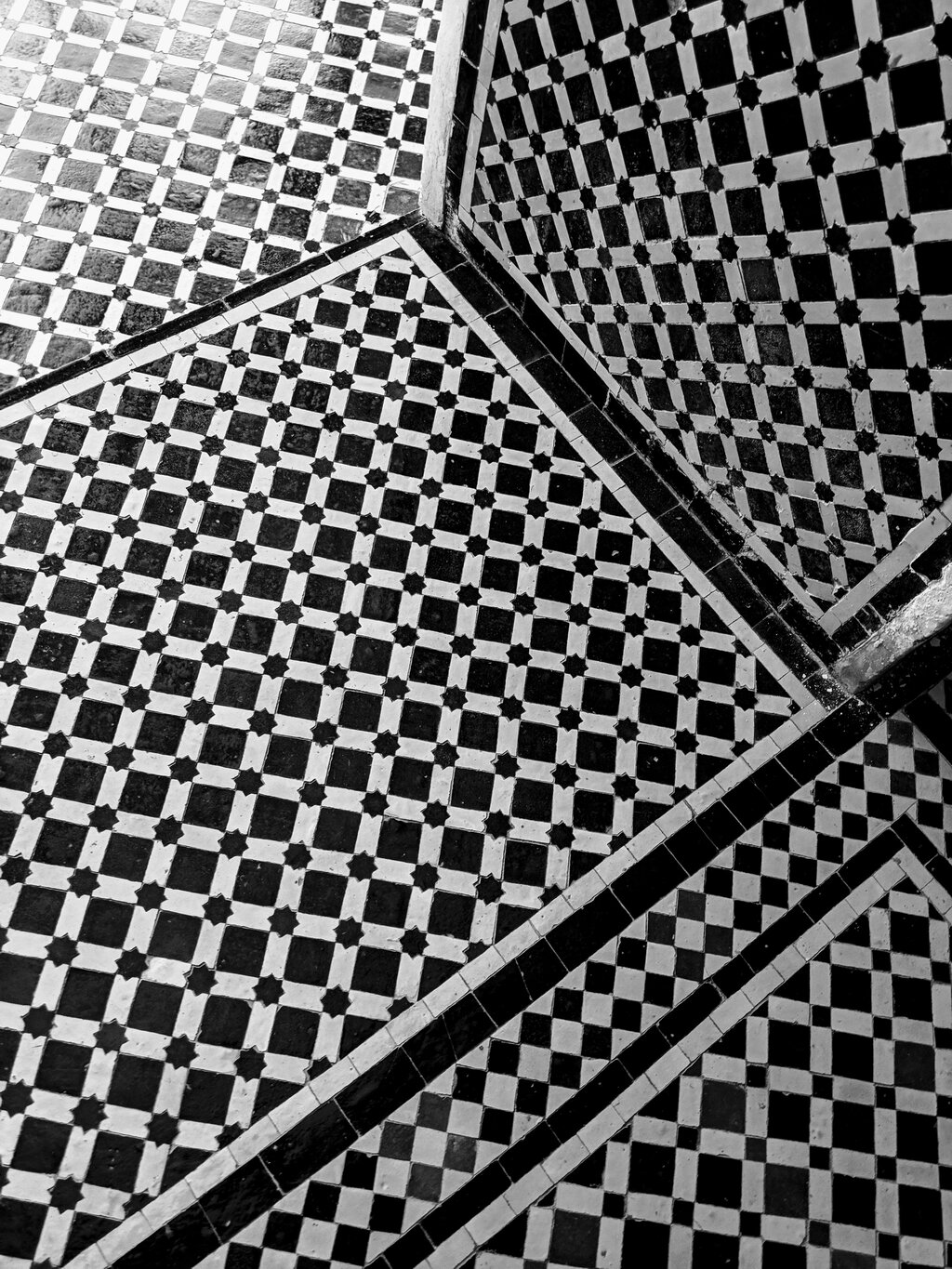
Consider the overall vision for your space. Do you want a calm, spa-like retreat or a bathroom with bold, energetic style? The tiles you choose will be the foundation of that design.
Ready to check your understanding?
Why is porcelain tile generally considered a better choice than ceramic tile for a shower floor?
When selecting tile for a bathroom floor that will get wet, what is the key safety rating to look for?
By considering these factors—material, safety, size, and style—you can select a tile that is not only beautiful but also perfectly suited for the demands of a bathroom environment.