Mastering Tight Knot Release Techniques
Understanding Knot Tightening
Friction Makes It Work
At its heart, a knot is a simple machine that uses friction to its advantage. When you pull on the ends of a knotted rope, you’re creating tension. This tension travels through the curves and bends of the knot, pressing the strands of rope against each other. The harder you pull, the more tightly the strands are pressed together.
This pressure creates friction, which is the force that resists sliding. It’s the same force that keeps your shoes from slipping on the pavement. In a knot, this friction prevents the rope from pulling straight and coming undone. Without it, a knot would just be a temporary, tangled loop.
Think of it like this: if you lightly press your palms together, they can still slide past each other easily. But if you press them together with all your might, they’re almost locked in place. The tension from your arms creates pressure, which results in high friction. The same principle applies inside a knot.
When Knots Jam
A knot becomes “jammed” when this friction becomes so extreme that it overpowers any attempt to loosen it. The strands are squeezed together so tightly they can no longer slide. This isn't necessarily a flaw; some knots are designed to jam for permanent fixtures. But for temporary knots, jamming can be a major problem.
Several factors contribute to jamming. The most obvious is the amount of load, or tension, placed on the knot. A knot that has held a heavy weight will be much tighter and more prone to jamming than one that has only been lightly loaded. The structure of the knot also plays a role. Knots with very sharp turns and bends tend to concentrate pressure in small areas, leading to higher friction and a greater likelihood of jamming.
Material Matters
The material of the rope itself is a huge factor. Different fibers have different properties that affect how a knot behaves. A rope's stiffness, texture, and how much it stretches all influence how easily a knot tightens and whether it will jam.
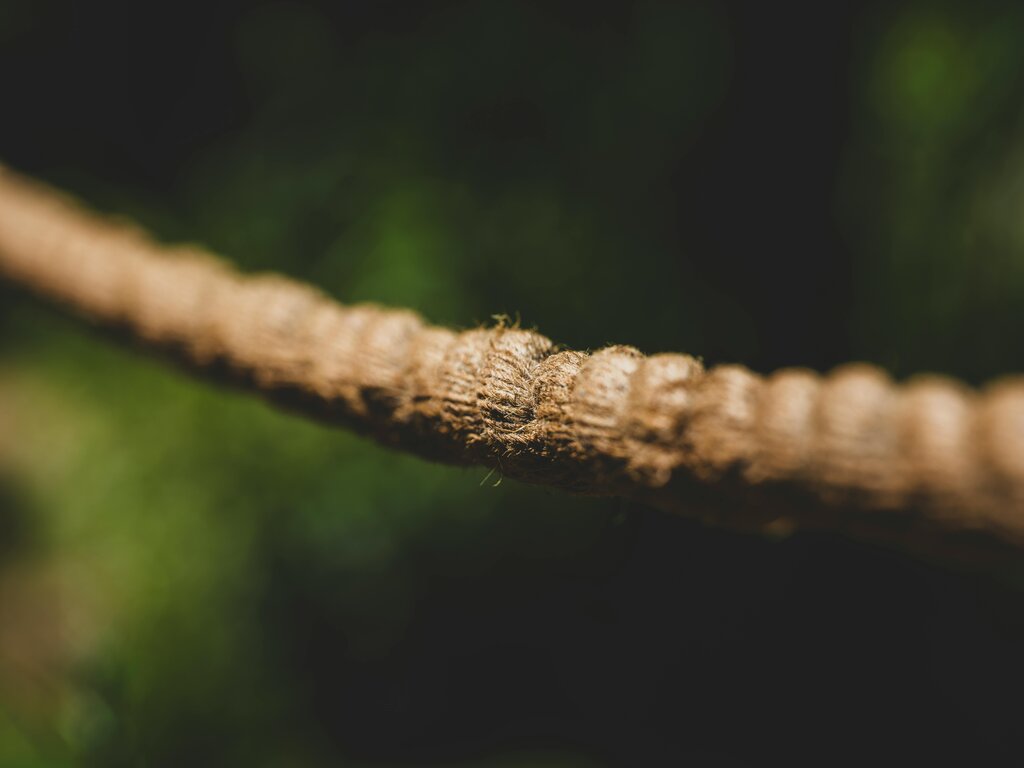
For instance, ropes made from natural fibers like cotton or hemp are typically rougher and create more friction. This makes them hold knots well, but they are also more likely to jam, especially when wet, as the fibers swell and grip even tighter. Synthetic ropes, like those made from nylon or polypropylene, are smoother and more flexible. Knots tied in these ropes are less likely to jam, but they can also be more likely to slip or come undone if not tied correctly.
| Rope Material | Surface Friction | Stiffness | Jamming Tendency |
|---|---|---|---|
| Cotton (Natural) | High | Low | High |
| Hemp (Natural) | High | High | Very High |
| Nylon (Synthetic) | Low | Low | Low |
| Polypropylene (Synthetic) | Very Low | Medium | Very Low |
Understanding these forces of tension, friction, and material properties is the first step in mastering knots. It helps you predict how a knot will behave under load and why some are easier to manage than others.
What is the primary force that allows a knot to hold its shape and resist coming undone?
A knot becomes "jammed" when...