Mastering Thermal Exploitation
Introduction to Thermal Exploitation
Using Heat for Work
At its core, thermal exploitation is simply the process of harnessing heat energy and putting it to good use. It’s a fundamental concept that powers much of our modern world, from the electricity in our homes to the production of everyday goods. Without it, society would look very different.
thermal energy
noun
The energy a substance or system has due to its temperature, i.e., the energy of moving or vibrating molecules. Also known as heat energy.
Think of it as the engine of industry. This process is all about converting heat, which can come from a variety of sources, into a more useful form of energy, like mechanical work or electricity. This conversion is what drives turbines, powers chemical reactions, and heats buildings.
Sources of Thermal Energy
The heat used in thermal exploitation has to come from somewhere. There are several primary sources, each with its own characteristics.
- Fossil Fuels: Burning coal, natural gas, and oil releases a massive amount of thermal energy. For a long time, this has been the most common method for large-scale power generation.
- Nuclear Reactions: Nuclear fission, the splitting of atoms, generates immense heat. This heat is captured in nuclear reactors to produce electricity.
- Geothermal Energy: This method taps into the natural heat of the Earth's core. Water or steam is brought up from underground reservoirs to drive turbines.
- Solar Thermal: Instead of converting sunlight directly into electricity with panels, this approach uses mirrors to concentrate sunlight, creating high temperatures to heat a fluid.
- Biomass: Burning organic materials, like wood, crop waste, or even garbage, releases stored chemical energy as heat. This turns waste products into a valuable energy source.
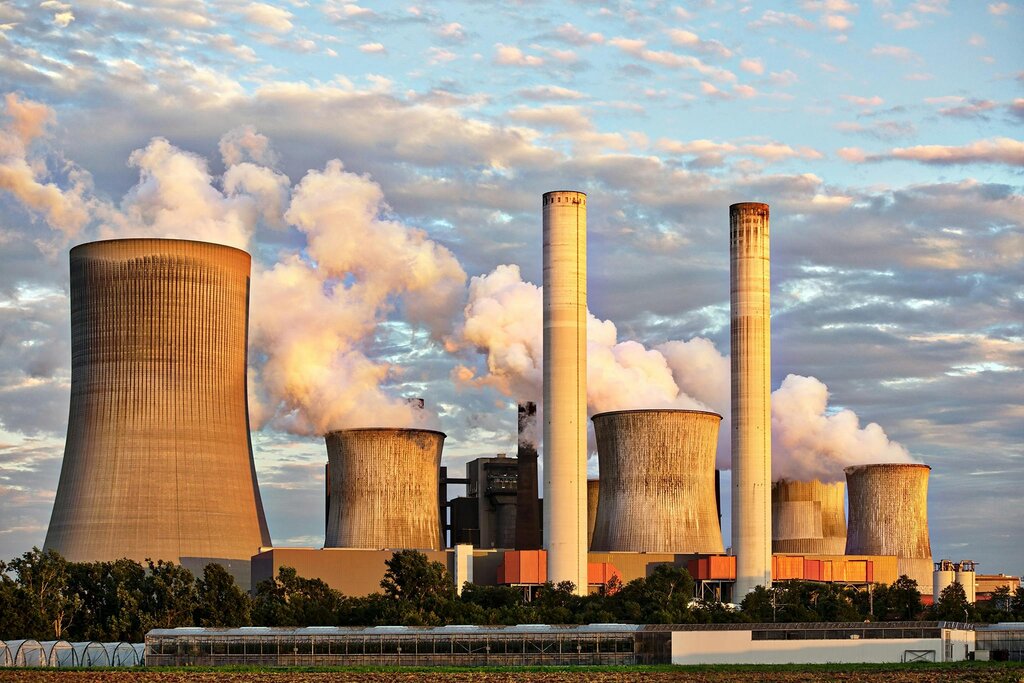
Each of these sources provides the raw heat needed to start the process of exploitation. The choice of source often depends on factors like resource availability, cost, and environmental impact.
How Heat is Used
Once we have a source of heat, how do we use it? The applications are incredibly broad, but they fall into a few main categories.
The most significant application is in energy generation. Most of the world's electricity is produced in thermal power plants.
The basic principle is surprisingly simple. Heat is used to boil water, creating high-pressure steam. This steam is then directed at the blades of a turbine, causing it to spin at high speed. The spinning turbine is connected to a generator, which converts the mechanical motion into electricity.
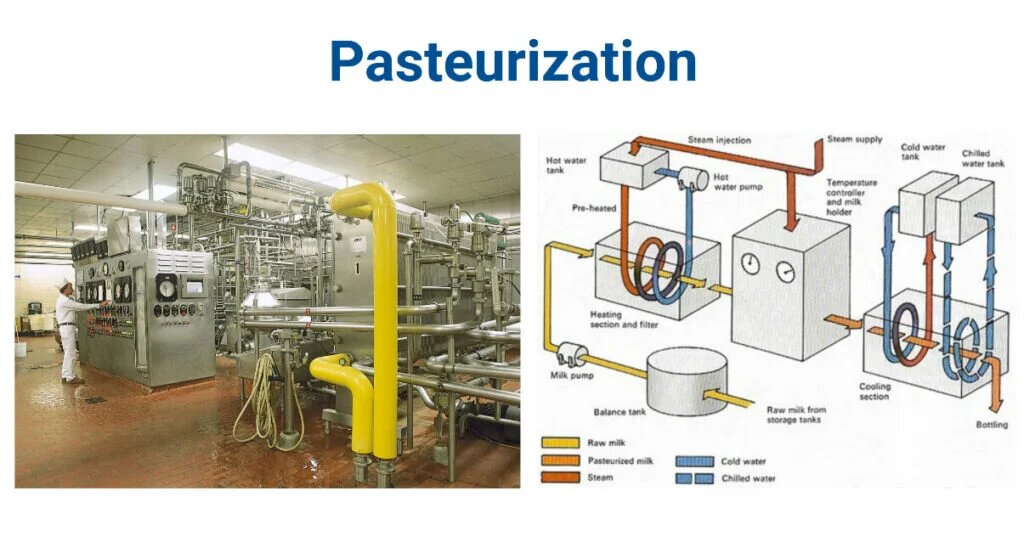
Beyond electricity, thermal energy is crucial for countless industrial processes. It's used to pasteurize milk, forge steel, synthesize chemicals, and dry materials from paper to food products. In these cases, the heat is often used directly to achieve a desired temperature for a specific manufacturing step.
Thermal exploitation also plays a role in environmental management. Waste-to-energy plants are a great example. They take municipal solid waste that would otherwise go to a landfill and incinerate it. The heat from this process is then used to generate electricity, turning a disposal problem into an energy solution.
A Power Plant Engineer – Thermal is an expert responsible for overseeing the thermal aspects of energy production in power plants.
This general overview shows how central thermal exploitation is. By understanding these basic principles, we can better appreciate the specific methods and technologies that power our world.
What is the fundamental process of thermal exploitation?
Which of the following is NOT a primary source of heat for thermal exploitation mentioned in the text?