Mastering the Zettelkasten Method
Introduction to Zettelkasten
A Web of Ideas
Most of us take notes. We jot down ideas from books, lectures, or random thoughts that pop into our heads. But what happens to these notes? Usually, they end up in forgotten notebooks or scattered across digital files, their potential lost in a sea of disconnected information.
Imagine a system where your notes don't just sit there. Instead, they connect, converse, and generate new ideas on their own. This isn't a futuristic concept; it's a method developed decades ago by a remarkably productive sociologist.
The Man and His Box
Niklas Luhmann was a German sociologist who wrote more than 70 books and 400 scholarly articles in his lifetime. His secret weapon wasn't a team of assistants or a supercomputer. It was a simple system of paper slips stored in wooden file cabinets. He called it his Zettelkasten.
slip-box
Luhmann treated his note-taking as a conversation with his past self. Each note was a single idea, captured on a small index card. But the magic wasn't in the individual notes; it was in the links he created between them. By connecting related ideas with unique addresses, he built a dense, spiderweb-like network of knowledge. This web allowed him to follow trails of thought, discover surprising connections, and effortlessly pull together complex arguments for his writing.
Core Principles
The Zettelkasten method isn't just about storing information. It's about developing ideas. It works by following a few simple but powerful rules that distinguish it from standard note-taking.
One Idea, One Note. Each note should be atomic, meaning it contains a single, self-contained thought. This makes it easier to link and reuse ideas in different contexts.
Another key principle is to link your notes. When you create a new note, you actively look for connections to existing ones. This process forces you to think deeply about how new information fits into what you already know, building a rich, interconnected web of knowledge. It transforms passive note-taking into an active process of learning and discovery.
Finally, you always explain ideas in your own words. This ensures you truly understand the concept instead of just passively copying it. It also makes your notes more personal and valuable for future thinking and writing.
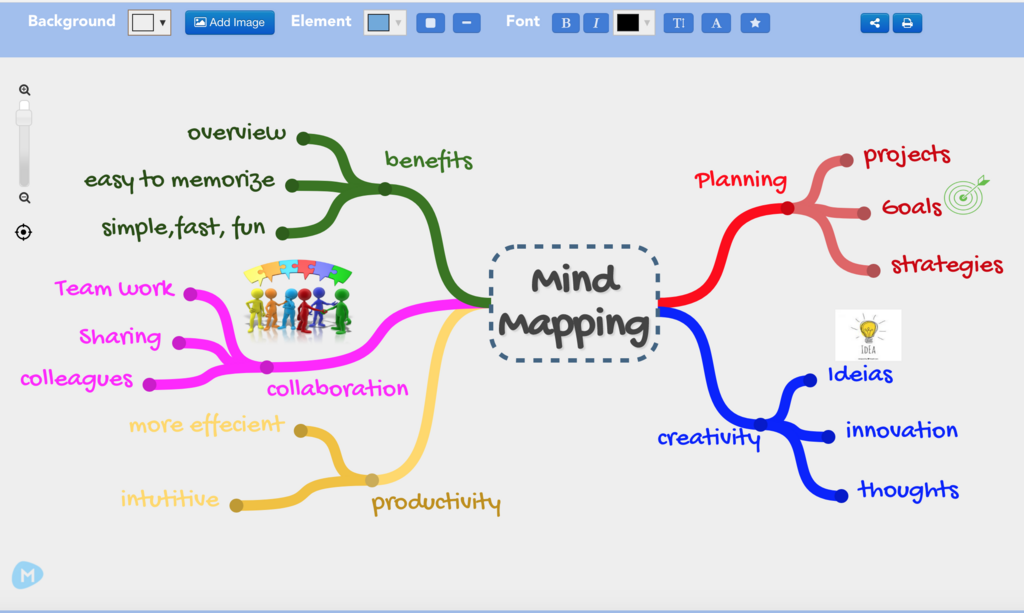
The main benefit of this system is how it fosters unexpected connections. By browsing your linked notes, you can stumble upon relationships you hadn't considered before, sparking new insights and creative thoughts. It turns your collection of notes into a thinking partner, a tool that helps you develop arguments, structure articles, and overcome writer's block.
Instead of facing a blank page, you start with a network of developed ideas, making the writing process less about invention and more about assembling existing thoughts.
Time to check your understanding of the Zettelkasten method.
What is the primary goal of the Zettelkasten method?
Who was the prolific sociologist known for creating and using the Zettelkasten method?
The Zettelkasten system is a simple yet powerful way to manage knowledge and generate new ideas. By focusing on atomicity, linking, and personal understanding, it transforms your notes from a static archive into a dynamic tool for thinking.