Mastering the YouTube Algorithm
YouTube Algorithm Basics
The Recommendation Engine
YouTube's main goal is to keep you watching. To do this, it's built a powerful recommendation system that tries to predict what you'll want to watch next. This system, often called "the algorithm," is a complex set of rules and feedback loops that determines which videos get shown to which viewers. It's not one single thing, but a collection of algorithms working together.
Think of it as two separate jobs. First, the algorithm ranks videos in search results when you type something in. Second, and more importantly for most creators, it decides which videos to suggest on the homepage, in the "Up Next" sidebar, and in notifications. These recommendations are responsible for a huge portion of the views on the platform. The system's primary aim is to match viewers with videos they are likely to watch and enjoy, leading to longer viewing sessions.
The algorithm constantly learns from your behavior. Every video you watch, like, or skip teaches it a little more about your preferences. This personalization is why your YouTube homepage looks completely different from your friend's. It's a system designed to create a unique, engaging experience for each of its billion-plus users.
Key Performance Signals
The algorithm pays close attention to several key signals to decide if a video is worth recommending. While the exact formula is a secret, YouTube has been open about the main factors that drive its decisions. These are the core metrics every creator should understand.
The algorithm uses various factors to determine which videos are advisable to viewers, including watch time, engagement, and relevance.
Let's break down the most important ones.
Click-Through Rate
noun
The percentage of people who click on your video after seeing its thumbnail and title on their screen.
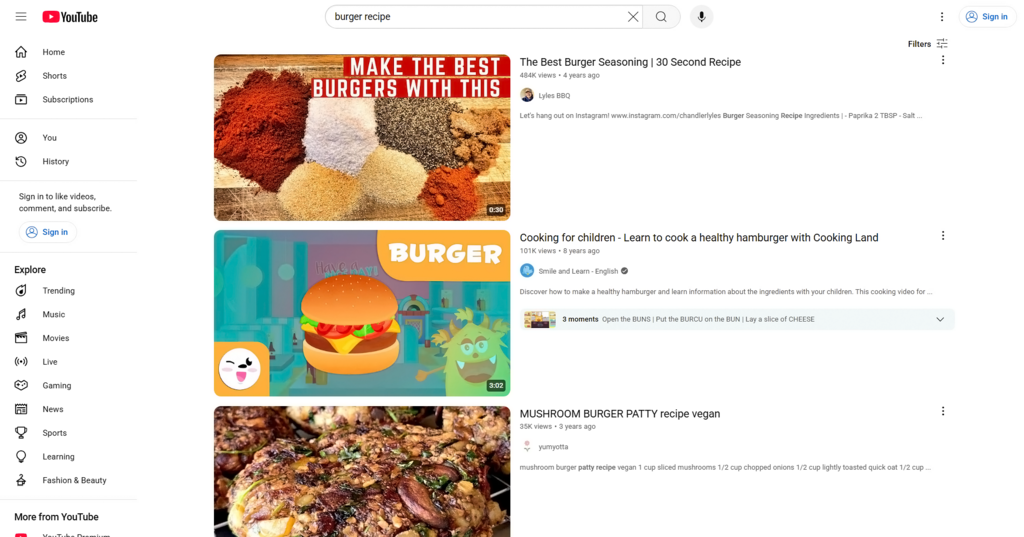
Your video's thumbnail and title are its first impression. When YouTube shows your video to a potential viewer (an "impression"), it watches to see if they click. A high click-through rate (CTR) tells the algorithm that your video's packaging is effective. It's catching people's attention and making them want to know more. A low CTR might suggest your thumbnail is boring or your title isn't compelling enough.
But getting the click is only the first step. What happens after the click is even more important.
Watch Time and Engagement
Once someone clicks, the next crucial metric is watch time. This refers to the total amount of time people spend watching your video. A related metric is audience retention, which is the percentage of your video that people watch on average.
Imagine you have two 10-minute videos. Video A has an average watch time of 6 minutes (60% retention), while Video B has an average of 2 minutes (20% retention). The algorithm will see Video A as more satisfying to viewers. It did a better job of holding their attention. High watch time is one of the strongest signals you can send that your content is valuable.
Ultimately, YouTube's goal is to keep people on the platform. Videos with high audience retention help achieve that goal, so the algorithm promotes them more heavily.
Beyond watch time, the algorithm also looks at direct user engagement. These are active signals that a viewer enjoyed the content. The main forms of engagement are:
- Likes and Dislikes: A simple, direct way for viewers to give feedback.
- Comments: Shows that a video sparked conversation and community interaction.
- Shares: When a viewer shares your video on social media or with friends, it's a strong endorsement.
These actions tell YouTube that your video isn't just being watched passively; it's making an impact. A video with lots of comments and shares is seen as more valuable and is more likely to be recommended to a wider audience.
| Metric | What It Tells the Algorithm | Why It Matters |
|---|---|---|
| Click-Through Rate (CTR) | Your thumbnail and title are compelling. | It's the gateway to getting views. |
| Watch Time / Retention | Your content is engaging and satisfies the viewer. | This is the most powerful signal for recommendations. |
| Likes, Comments, Shares | Your video is creating a strong reaction or community. | Indicates high viewer satisfaction and value. |
Understanding these core components is the first step toward working with the algorithm, not against it. By focusing on creating content that genuinely satisfies viewers, you align your goals with YouTube's.
Ready to check your understanding? Take this quick quiz.
What is the primary goal of YouTube's recommendation algorithm?
A video's thumbnail and title are most directly related to which key metric?
By keeping these fundamentals in mind, you can start making more strategic decisions about your content and how you present it to the world.