Mastering the UK Driving Theory Test
Complex Junction Priority
When Priority Isn't Clear
You already know to look for signs and road markings to determine priority. But what happens when there are none? At an unmarked crossroads, for instance, no single driver has an automatic right of way. The rules of the road don't award priority; they only tell you when you must give it away.
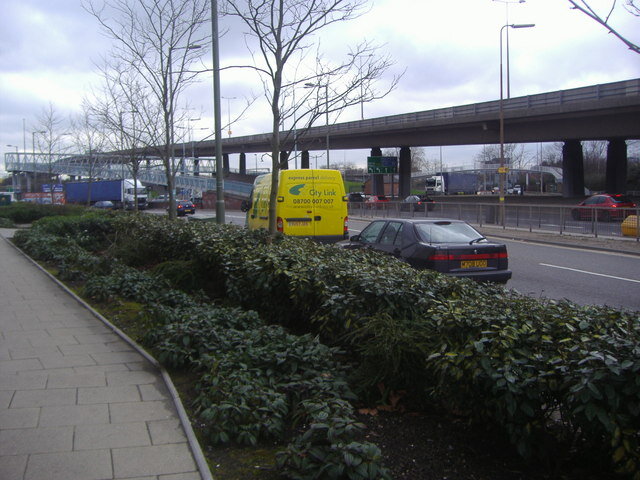
In these situations, the key is caution and observation. Slow down, look in all directions, and be prepared to stop. You're looking for clues about other drivers' intentions. This is where the principle of 'path and committed' becomes vital. If another vehicle is already partway through the junction (on its path) or is moving in a way that clearly shows they are proceeding (committed), you should give way to them. This isn't a formal rule but a core principle of defensive driving that keeps traffic flowing safely.
The Art of Turning Right
Turning right can create complex conflicts with oncoming traffic. The standard and safest method at a junction is called turning. This means you position your car so that you pass behind the oncoming vehicle that is also turning right. Your car's right side (the offside) passes the other car's right side.
Occasionally, a junction might be very large or have specific markings that guide you to turn nearside-to-nearside (in front of the other vehicle). This is rare. Unless signs or markings clearly state otherwise, always assume you should turn offside-to-offside.
Junctions with Specific Rules
Some junctions have their own unique set of rules that override general principles. It's crucial to know them for your theory test and for safe driving.
Yellow Box Junctions: You must not enter the yellow box until your exit road or lane is clear. However, there is one important exception. You may enter the box and wait when you want to turn right, but are stopped from doing so by oncoming traffic.
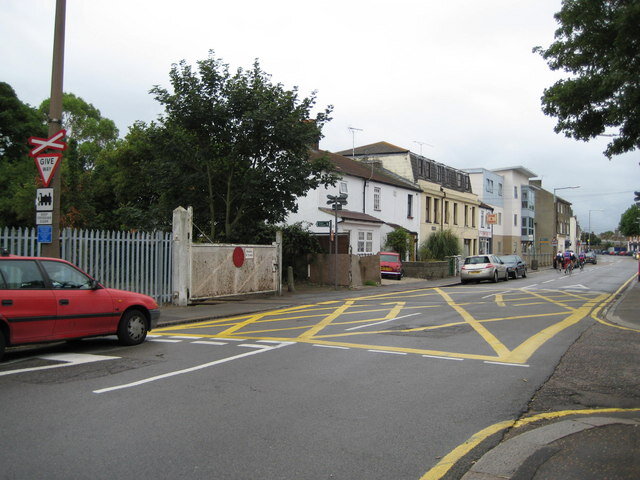
Staggered junctions, where roads don't connect at the same point, also require careful judgement. Treat each T-junction within the staggered section as a separate event. Give way according to the markings at each part of the junction.
Finally, some complex roundabouts are made up of a series of mini-roundabouts. The key is to remember that the normal priority rule applies to each one individually: you must give way to traffic from your immediate right as you approach each mini-roundabout.
When you arrive at an unmarked crossroads at the same time as another vehicle, who has priority?
What is the standard, safest method for turning right at a junction when an oncoming vehicle is also turning right?
Understanding these nuances of priority at complex junctions is less about memorising a thousand rules and more about developing good observation skills and a cautious mindset.