Mastering the Thanksgiving Turkey
Turkey Selection
Picking Your Bird
Choosing the right turkey is the first step to a great Thanksgiving meal. The main decision comes down to size. You need enough for everyone at the table, and probably some for leftovers. The general rule is to plan for about 1 to 1.5 pounds of turkey per person. This might sound like a lot, but remember that the weight includes bones.
For a generous serving plus leftovers, aim for 1.5 pounds per guest. If you're not big on leftovers, 1 pound per person will do just fine.
So, for 8 guests, you'd want a turkey that's around 12 pounds (8 people x 1.5 pounds). For a larger crowd of 14, you'd look for a bird around 21 pounds. If you can't find a single turkey that's big enough, don't be afraid to cook two smaller ones. They'll cook more evenly and quickly anyway.
Fresh vs. Frozen
The next choice is between a fresh or frozen turkey. There's no right or wrong answer; it just depends on your preference and planning.
A fresh turkey has never been chilled below 26°F (-3°C). They are often praised for their pure flavor and tender texture, since ice crystals haven't formed in the meat. The main benefit is convenience—no thawing required. You just buy it and it's ready to be prepped for the oven. However, they have a shorter shelf life, so you need to buy one only a day or two before you plan to cook it.
A frozen turkey is flash-frozen to 0°F (-18°C) right after being processed. These are widely available and often more affordable. Their biggest downside is the long thawing time. A large frozen turkey can take several days to thaw safely in the refrigerator, which requires careful planning.
| Feature | Fresh Turkey | Frozen Turkey |
|---|---|---|
| Convenience | No thawing needed | Requires days to thaw |
| Flavor | Often richer, more moist | Can be slightly less moist |
| Cost | Generally more expensive | More budget-friendly |
| Availability | Must be bought close to the holiday | Can be bought weeks in advance |
Specialty Turkeys
Beyond the standard supermarket bird, you might see labels like "organic" or "heritage." An organic turkey was raised on organic feed and given access to the outdoors, without any antibiotics or hormones. Many people prefer them for these farming standards.
Heritage breeds are a different story. These are older, non-industrial breeds of turkey, closer to what your great-grandparents might have eaten.
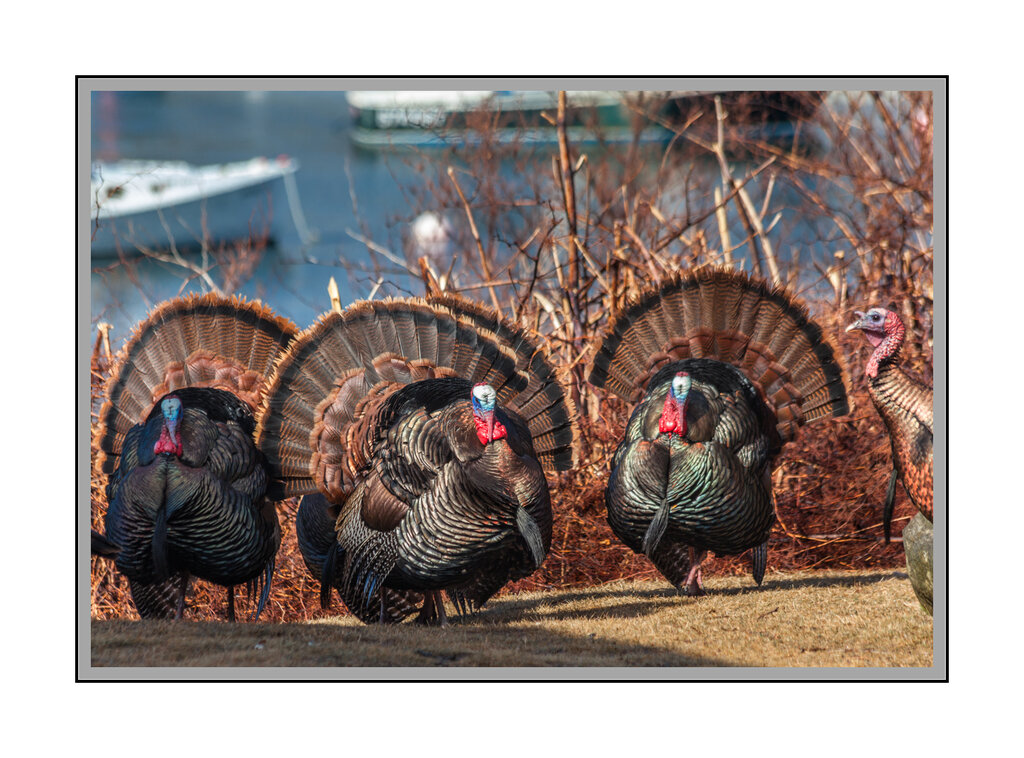
They are typically smaller with a more pronounced, richer flavor and firmer texture. Because they are more active birds, their meat is leaner, especially in the breast. They cook faster than a conventional turkey, so you'll need to adjust your cooking time.
heritage
adjective
Relating to varieties of animals or plants that were bred for specific traits over long periods and are no longer in widespread commercial production.
Buying and Planning
Timing is everything. If you decide on a frozen turkey, you can buy it weeks ahead of time—just make sure you have enough freezer space. For a fresh turkey, you'll want to purchase it no more than two days before Thanksgiving. It's a good idea to pre-order fresh, organic, or heritage turkeys from your local butcher or a farm. They are often in high demand and limited supply.
Whether you visit a supermarket, a specialty butcher shop, or a local farm, ordering in advance is your best strategy. This guarantees you'll get the size and type of bird you want without a last-minute scramble.
Let's review some key ideas before you go shopping.
Ready to test your knowledge?
You're hosting Thanksgiving for 10 people and want to have some leftovers. Based on the general rule of thumb, what is the ideal size for your turkey?
What is the primary advantage of buying a fresh turkey instead of a frozen one?
With the right planning, you can walk into the store confidently and pick the perfect turkey for your feast.