Mastering the Strategic Product Teardown
Strategic Foundation
Beyond the Surface
Most product teardowns stop at the surface. They catalog features, critique user flows, and admire the UI. This is a functional review. It's like looking at a car and only noting its color, the number of seats, and the size of the infotainment screen. It tells you what the car is, but not why it was built.
A strategic teardown goes deeper. It's an audit of the business logic embedded in the product. You're not just looking at features; you're reverse-engineering the business strategy that led to those features. You're asking why the company built a rugged pickup truck instead of a sleek sports car. What market were they targeting? What competitive pressures forced their design choices? How does the engine—the tech infrastructure—power this specific vehicle toward a profitable destination?
Since you already understand how the engine works, we can jump straight to these strategic questions. Every observation must connect back to a business purpose.
Think of it as moving from "How does this feature work?" to "Why does this feature exist, and how does it make money?"
Decoding the Business Model
The first step is to identify how the product generates revenue. The business model is the product's DNA. It dictates user acquisition strategies, feature prioritization, and the underlying technical architecture. Is it a subscription service that needs to minimize churn? Is it an ad-driven platform that needs to maximize engagement? Or is it a marketplace that lives and dies by balancing supply and demand?
| Business Model | Key Indicators & Clues |
|---|---|
| SaaS (Software as a Service) | Tiered pricing pages, recurring monthly/annual billing, feature-gating for different subscription levels. The core technology must be scalable and reliable to justify recurring payments. |
| Marketplace | Two distinct user types (e.g., buyers and sellers, drivers and riders), transaction fees or commissions, review and rating systems to build trust between sides. The tech stack prioritizes search, matching, and secure transactions. |
| Advertising-Based | The service is free for users, prominent ad placements, user data collection for targeting purposes. The infrastructure is built to handle massive traffic and serve personalized content and ads at scale. |
| Freemium | A free, often limited version of the product, with clear prompts to upgrade for more features, storage, or usage. The goal is to convert free users to paying customers, so the tech must support a seamless upgrade path. |
Once you've identified the primary business model, you can start to analyze how the product's architecture and features serve that model. For a SaaS product, you might investigate how their infrastructure supports single-tenancy or multi-tenancy, as this has huge implications for cost and scalability. For a marketplace, you'd look at their search and recommendation algorithms, as this is the core of their value proposition.
Setting a Clear Objective
A teardown without a goal is just an academic exercise. Before you start, define what you want to achieve. A clear objective focuses your investigation and turns random observations into actionable insights. Are you trying to understand a competitor, find a new market opportunity, or improve your own product?
Your objective is the lens through which you view the product. It determines what you look for and what you ignore.
Common strategic objectives include:
- Market Entry: You're planning to enter a new market and need to understand the dominant players. Your teardown will focus on their value proposition, pricing, and customer acquisition channels.
- Competitive Defense: A competitor is gaining on you. You need to dissect their product to identify their unique strengths and potential weaknesses you can exploit.
- Product Improvement: You want to improve a specific area of your own product. You can tear down competitors who excel in that area (e.g., user onboarding, search functionality) to learn from their approach.
- Partnership/Acquisition: You're considering partnering with or acquiring a company. The teardown serves as due diligence, revealing the quality of their technology and its alignment with their stated business goals.
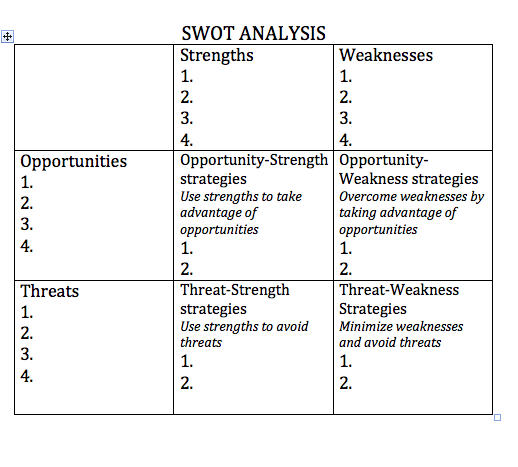
With a clear business model and a defined objective, you can connect the dots between technology and strategy. For example, if your goal is competitive defense against a new, cheaper SaaS competitor, you might focus your teardown on their cost structure. Does their tech stack use open-source components that lower their operating costs? Do they use a more efficient multi-tenant architecture that allows them to serve more customers with less hardware? These technical details directly impact their ability to compete on price, providing a crucial insight for your own strategy.
What is the primary difference between a functional product review and a strategic teardown?
According to the text, what is the essential first step when beginning a strategic teardown?
This strategic lens transforms a product teardown from a simple review into a powerful business analysis tool.