Mastering the SPHR Certification Exam
Leadership and Strategy
From Support Role to Strategic Partner
Traditionally, Human Resources was seen as an administrative department—handling payroll, managing benefits, and processing paperwork. While those tasks are still important, the role of HR in a modern company has evolved dramatically. Today, HR is a key strategic partner that helps drive the entire business forward.
This means moving beyond day-to-day operations to focus on long-term goals. Instead of just reacting to problems, strategic HR anticipates the company's future needs and builds the people-related plans to meet them. The core idea is simple: a company's success depends on its people. Therefore, the strategy for managing people must be directly linked to the company's overall strategy for success.
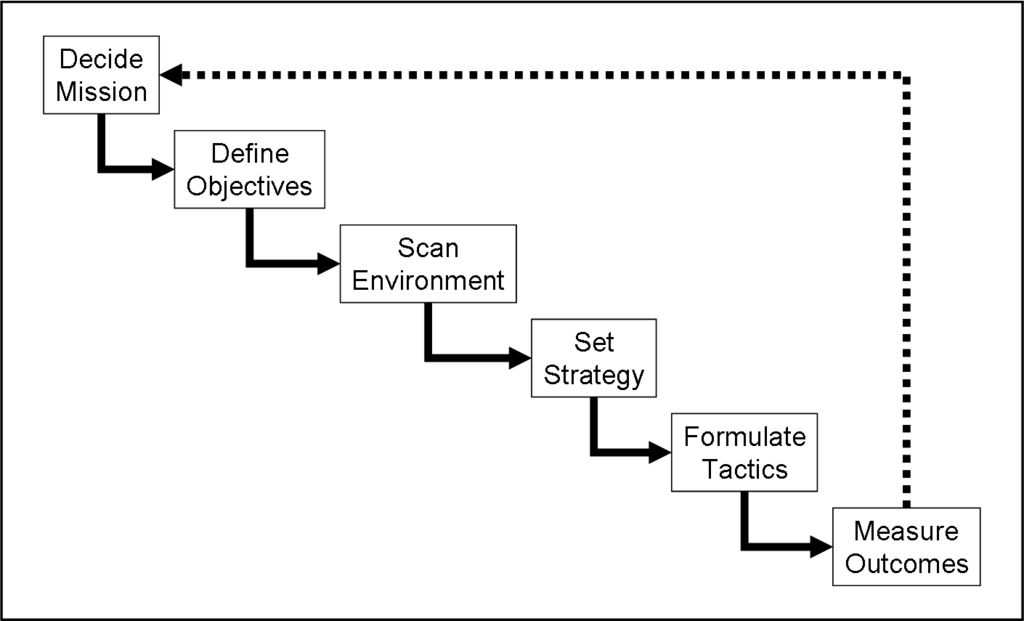
Aligning HR with business strategy starts with a deep understanding of the business itself. What are the company's main objectives? Is the goal to increase market share, launch a new product, or become more efficient? HR leaders must understand these goals and the metrics used to track them, like revenue growth, customer retention rates, or production costs.
Once the business objectives are clear, HR can formulate a parallel strategy. For example, if the business goal is to be the industry leader in innovation, the HR strategy might focus on creating a culture that rewards experimentation, designing training programs for creative problem-solving, and structuring teams to foster collaboration. Every HR initiative, from leadership training to performance management, should have a clear line connecting it back to a core business goal.
Building a Better Organization
Organizational development (OD) is how HR helps a company grow and improve its long-term health and effectiveness. It's about looking at the big picture—the company's structure, culture, and processes—and figuring out how to make them better.
This isn't about small tweaks; it's about systematic change. An OD initiative might involve restructuring departments to break down silos and improve communication. It could also mean launching a program to strengthen leadership skills across the company or redesigning workflows to make them more efficient and engaging for employees.
The goal of organizational development is to build a more resilient, adaptive, and effective organization. By improving how people work together and how the company operates, HR helps create an environment where both employees and the business can thrive.
Organizational development aims to improve the company as a whole system, not just fix isolated problems.
Guiding People Through Change
Change is the only constant in business. Whether it's a new technology, a merger, or a shift in strategy, organizations are always evolving. Change management is the structured approach to helping employees, teams, and the organization as a whole transition from their current state to a desired future state.
People often resist change because of uncertainty or fear of the unknown. Effective change management addresses this head-on. It involves clear and consistent communication about why the change is happening, what it will look like, and how it will affect everyone involved. It also includes providing training and support to help employees develop the new skills and behaviors required.
HR's role is to lead this process, making sure that the "people side" of change is managed as carefully as the technical or operational side. By guiding employees through transitions smoothly, HR minimizes disruption, maintains morale and productivity, and ensures that the intended benefits of the change are fully realized.
Let's check your understanding of these strategic concepts.
What is the primary focus of strategic Human Resources, as distinguished from traditional HR?
A company wants to become the industry leader in innovation. How would a strategic HR department support this goal?
By mastering strategic planning, organizational development, and change management, HR leaders earn a seat at the table, helping to shape the future of the business and ensure its long-term success.