Mastering the Spear
Introduction to Spear History
The First Weapon
The spear is one of humanity's oldest and most important tools. Long before swords or bows, our earliest ancestors realized they could sharpen a stick to hunt and defend themselves. This simple innovation was a massive leap forward. A pointed stick, hardened in a fire, could keep dangerous animals at a distance. It was a tool born from necessity.
Over thousands of years, this basic concept was refined. Humans learned to attach sharpened stones, flint, or bone to the end of a wooden shaft. This created a much more durable and lethal point. These early spears weren't just weapons; they were essential survival tools that allowed small groups of hunters to take down large game like mammoths and bison, providing critical sources of food and materials.
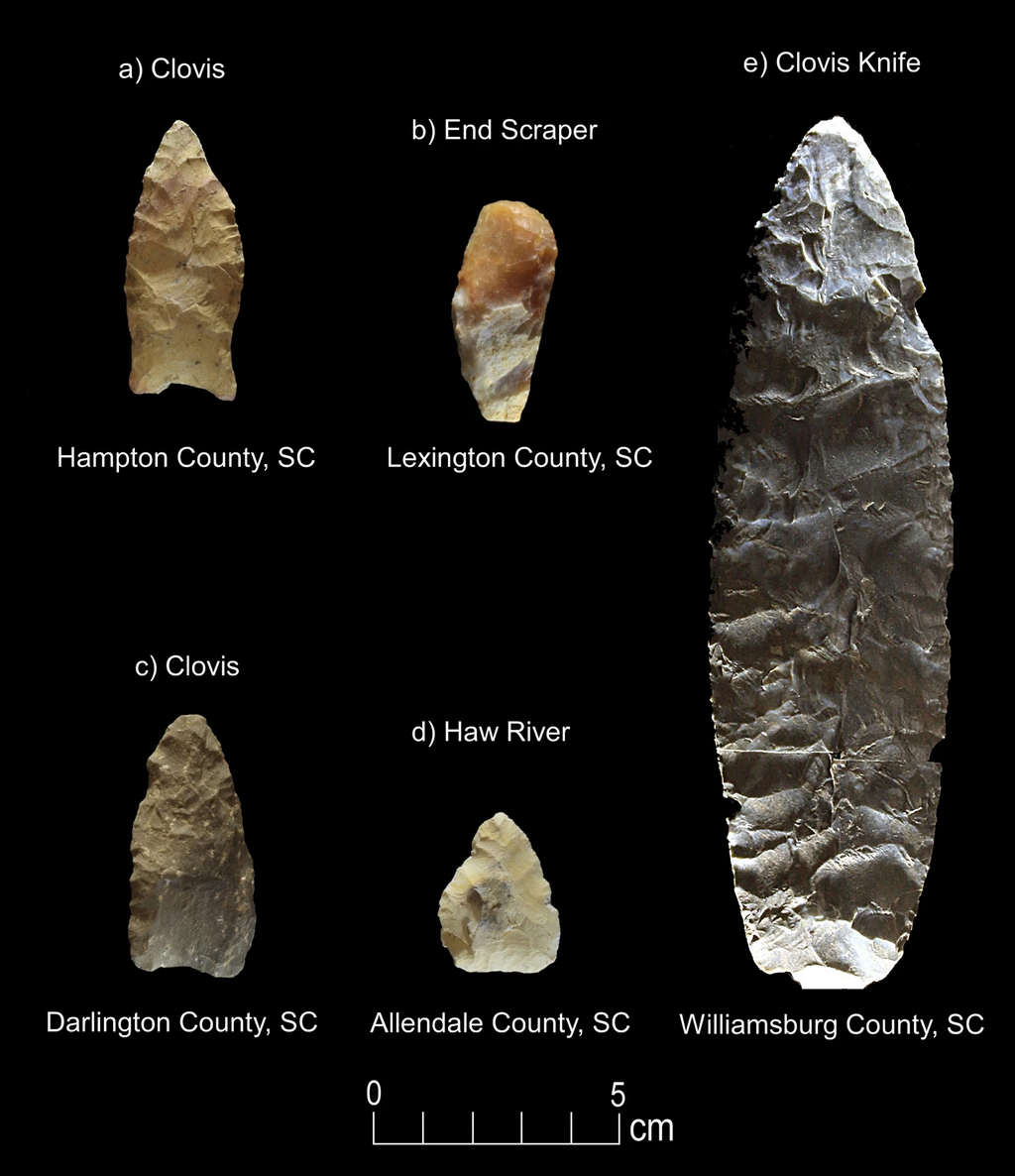
The spear's effectiveness lay in its simplicity and reach. It extended a person's power, allowing them to strike from a safer distance than was possible with a club or bare hands. This fundamental advantage ensured the spear remained a primary tool for hunting and defense for tens of thousands of years, long into the age of settled civilizations.
From Hunt to Warfare
As societies grew and armies were formed, the spear transitioned from a hunting implement to a primary weapon of war. Ancient civilizations from Egypt to China equipped their soldiers with spears. Why? Because a group of spearmen fighting together is incredibly formidable.
Organized in formations, soldiers could present a dense wall of sharp points to the enemy. This tactic was famously perfected by the ancient Greeks with their phalanx formation. A soldier in a phalanx, called a hoplite, carried a large shield and a long thrusting spear called a dory. Standing shoulder-to-shoulder, they created an almost impenetrable barrier.
The Romans also relied heavily on spears, but they developed specialized types for different roles. Their legionaries carried a heavy javelin called a pilum. It was designed to be thrown at the enemy just before a charge. The pilum had a long, thin iron shank behind the point. When it hit an enemy's shield, the shank would bend, making the shield unwieldy and impossible to use. The legionaries also carried a thrusting spear, the hasta, for close combat, though this was later replaced by the short sword known as the gladius.
Across the world in ancient China, the spear evolved into a wide variety of polearms. The qiang (槍) was a classic spear, while other weapons like the ji (戟) combined a spear point with an axe blade or dagger, making it a versatile tool for hooking, stabbing, and cutting.
A Simple, Deadly Design
Despite regional variations, the basic design of the spear remained consistent for centuries. It consisted of two main parts: the shaft and the head. The shaft was typically made of a strong but flexible wood, like ash. The head was the business end, evolving from sharpened wood and stone to bronze and eventually iron and steel.
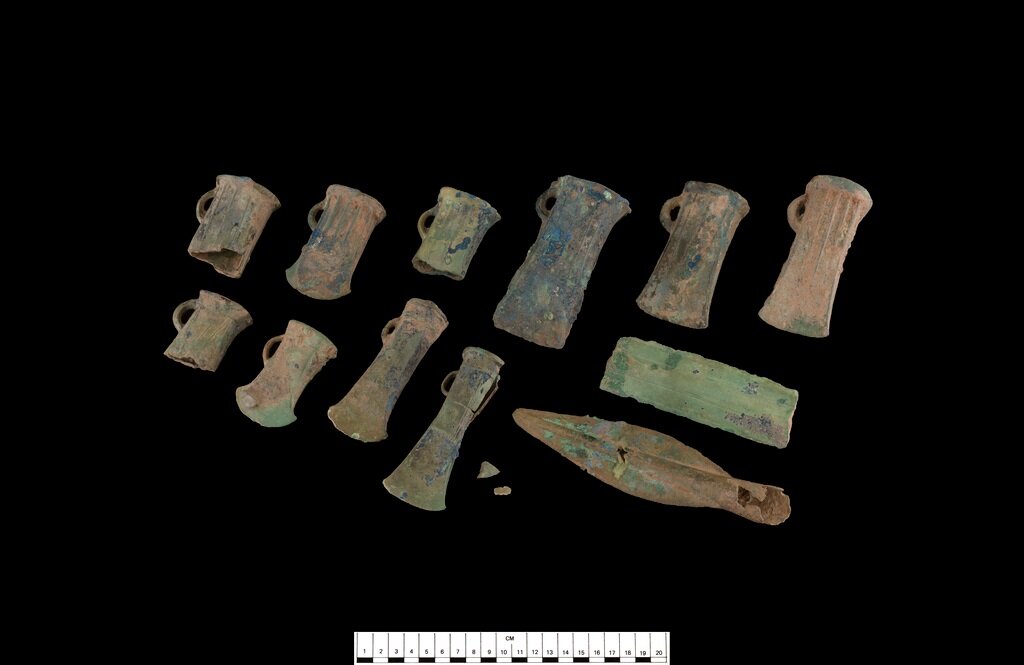
Spearheads were designed for penetration. Leaf-shaped blades were common, as they created wide wound channels. Some had a prominent central rib for added strength. The head was attached to the shaft via a socket or a tang. A socketed spearhead fit over the end of the shaft like a cap, while a tanged head was inserted into a split in the wood.
Many spears, like the Greek dory, also had a metal butt-spike called a sauroter. This spike could be used to finish off fallen enemies, anchor the spear in the ground, or serve as a backup point if the main head broke. This simple, adaptable, and effective design made the spear a dominant weapon on battlefields for thousands of years, a direct link to our most ancient ancestors.
Ready to test your knowledge on the history of this foundational weapon?
What was the primary purpose of the Roman javelin known as the pilum?
Which part of the Greek dory served as a backup point and could also be used to anchor the spear in the ground?
From a sharpened stick to the core of ancient military formations, the spear's long history shows how a simple idea can shape human civilization.