Mastering the Spanish Language
Spanish Alphabet and Pronunciation
The Building Blocks
The Spanish alphabet is a great place to start because it's so similar to English. It uses the same Latin letters, with just one special addition: the letter ñ.
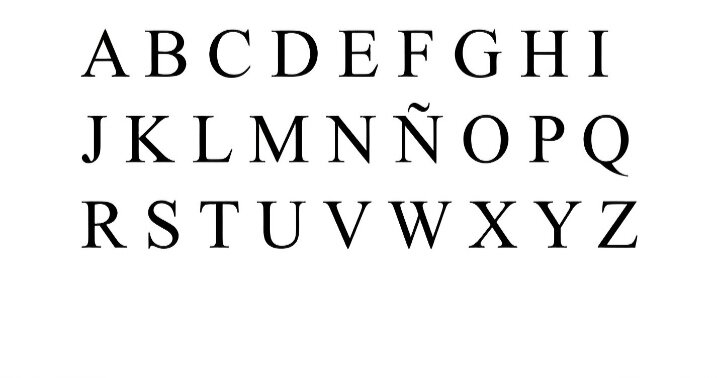
The best part about learning to speak Spanish is that it’s almost perfectly phonetic. This means words are pronounced exactly as they are written. Once you learn the sound for each letter, you can confidently pronounce almost any word you see. This consistency is a huge advantage compared to English, where letters can have many different sounds.
Spanish maintains remarkably consistent sound-to-letter relationships, meaning once you master the basic pronunciation rules, reading aloud becomes significantly more predictable than in English.
The Five Simple Vowels
English has over a dozen vowel sounds, but Spanish keeps it simple with just five. Each vowel has only one sound, and it never changes. Mastering these five sounds is the single most important step you can take to sounding clear and authentic.
| Vowel | Sound (like in English) | Example |
|---|---|---|
| A | ah as in father | casa (house) |
| E | eh as in bed | elefante (elephant) |
| I | ee as in see | isla (island) |
| O | oh as in go | oso (bear) |
| U | oo as in moon | uno (one) |
That's it. Whether a vowel is at the beginning, middle, or end of a word, its sound remains the same. The only time the vowel u is silent is when it comes after a g or a q and before an e or i, as in queso (cheese) or guitarra (guitar). In these cases, it just helps the g or q make the right sound.
Key Consonants and Combinations
Many Spanish consonants sound just like their English counterparts. But a few have unique sounds that are important to learn. There are also a few letter combinations that create their own distinct sounds.
| Letter(s) | Sound | Example |
|---|---|---|
| h | Always silent | hola (hello) |
| j | Like the 'h' in 'hat' | jamón (ham) |
| g | Soft, like 'h' before 'e' or 'i' | gente (people) |
| g | Hard, like 'g' in 'go' otherwise | gato (cat) |
| ll | Like the 'y' in 'yes' | calle (street) |
| ñ | Like the 'ny' in 'canyon' | niño (boy) |
| rr | A strong, rolled 'r' | perro (dog) |
| c | Like 'k' before 'a', 'o', 'u' | casa (house) |
| c | Like 's' before 'e', 'i' | cine (cinema) |
| z | Always like 's' | lápiz (pencil) |
The rolled rr can be tricky at first. It takes practice to get your tongue to vibrate against the roof of your mouth. Start by practicing with words that have the sound in the middle, like carro (car) and arriba (up). A single r is just a light tap of the tongue, similar to the 'dd' sound in the English word 'ladder'.
Now let's test what you've learned about these core sounds.
Besides the standard Latin letters, what is the one additional, unique letter in the Spanish alphabet?
True or False: Spanish is considered an almost perfectly phonetic language, meaning words are generally pronounced exactly as they are written.
By focusing on these basic rules, you've built a solid foundation. Remember, consistency is the key in Spanish pronunciation. Practice these sounds, and you'll be reading and speaking with confidence.