Mastering the Short Story Craft
Short Story Architecture
Start in the Middle
Unlike a novel, a short story doesn't have the luxury of a leisurely beginning. It lives or dies on its ability to create immediate engagement. The most effective tool for this is starting —a Latin phrase meaning "in the midst of things." This technique drops the reader directly into a pivotal moment, forcing them to piece together the context from ongoing action and dialogue.
This isn't just about starting with a bang. It's a strategic choice to bypass exposition. Instead of explaining that a character is late for a crucial meeting, you begin with them sprinting through traffic, briefcase swinging wildly. The stakes are instantly clear, and the story's momentum is established from the first sentence. You're showing, not telling, from the very beginning.
Compressing the Arc
A short story follows the same basic narrative arc as a novel—rising action, climax, falling action—but it does so in a compressed timeframe. Think of it like a folding telescope. All the essential parts are there, but they're packed tightly together. Every scene, every character, every line of dialogue must pull double or triple duty. A conversation might reveal a character's backstory, advance the plot, and introduce a new conflict all at once.
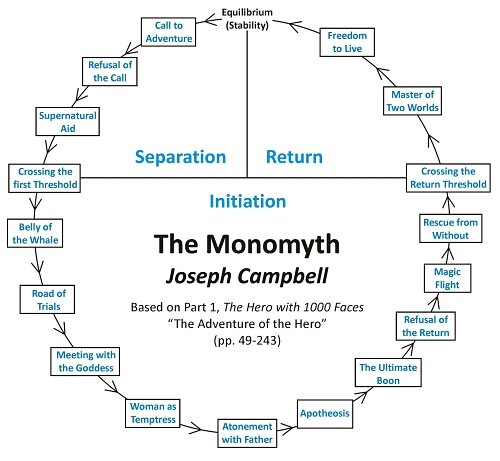
The inciting incident—the event that kicks off the story's central conflict—is not a slow burn. In a novel, it might take several chapters to build up to this moment. In a short story, the inciting incident often happens in the first paragraph, or has already happened just before the story begins. The narrative is focused entirely on the consequences of this event, not the buildup to it. This compression forces the writer to be incredibly disciplined, ensuring that every element serves the story's core purpose.
Economic Design
Writing a short story is an exercise in economy. Within a word count of roughly 2,000 to 7,500 words, there is no room for anything superfluous. Every choice must be deliberate. If you describe a storm brewing outside, it should mirror a character's internal turmoil or directly impact the plot. This principle is famously captured by the idea of —if you introduce a rifle in the first chapter, it must go off by the end.
This means your narrative arc must be specific and contained. You aren't telling a life story; you're telling the story of a single, transformative moment in a life. The resolution doesn't need to tie up every loose end, but it must provide a satisfying conclusion to the specific conflict introduced at the beginning. The goal is to deliver a complete, impactful experience within a small frame.
In short fiction, every element must earn its place. If it doesn't serve the central narrative arc, it has to go.
Now, let's test your understanding of these structural principles.
What does the term "in medias res" mean in the context of a short story's beginning?
True or False: A short story follows a completely different narrative arc than a novel, omitting elements like the climax and falling action.
Mastering these techniques allows you to create a powerful narrative that makes every word count, delivering a complete and resonant experience in just a few pages.