Mastering the Science of Public Health Investigation
Epidemiological Triad Framework
The Triad of Disease
Why do some people get sick while others in the same area stay healthy? Why do diseases like cholera suddenly flare up during the rainy season? The answers go beyond just blaming the germ. To understand disease outbreaks, especially in a complex country like Nigeria, we use a framework called the epidemiological triad.
Think of it as a three-way balancing act between the Agent, the Host, and the Environment. When these three factors are in balance, health is maintained. But if one factor changes, it can tip the scales and lead to disease.
Meet the Players
Let's break down the three components of the triad using Nigerian examples.
- The Agent: This is the pathogen itself—the virus, bacterium, or parasite that causes the disease. For example, the Lassa virus is the agent for Lassa fever, and the bacterium Vibrio cholerae is the agent for cholera.
- The Host: This is the person (or animal) who gets sick. Host factors are internal characteristics that influence susceptibility. These include age, nutritional status, vaccination history, and underlying health conditions. Crucially, it also includes social determinants of health like income level and education, which can dramatically affect a person's vulnerability.
- The Environment: This includes all the external factors that allow the disease to spread. It can be physical (like a warm, humid climate that helps vectors thrive), biological (like the presence of certain animals), or socioeconomic (like crowded living conditions, poor sanitation, or limited access to healthcare facilities).
The Chain of Infection
The triad shows us why an outbreak might happen. The Chain of Infection tells us how it happens. It's a six-step process, and if we can break any single link in the chain, we can stop the spread of disease.
Let's focus on two crucial links in the chain: the reservoir and the mode of transmission.
Reservoir
noun
The natural habitat where an infectious agent normally lives, grows, and multiplies. This can be humans, animals, or the environment.
For Lassa fever, the reservoir is the multimammate rat (Mastomys natalensis). The virus lives in the rat population without necessarily causing them harm. The chain begins here. The portal of exit is the rat's urine or droppings.
Next comes the mode of transmission. This is how the agent travels from the reservoir to the host. Transmission can be direct (like a cough) or indirect. Indirect transmission often involves vectors or fomites.
| Term | Definition | Tropical Example |
|---|---|---|
| Vector | A living organism that transmits an infectious agent from an infected animal to a human or another animal. | The Anopheles mosquito is the vector for malaria. |
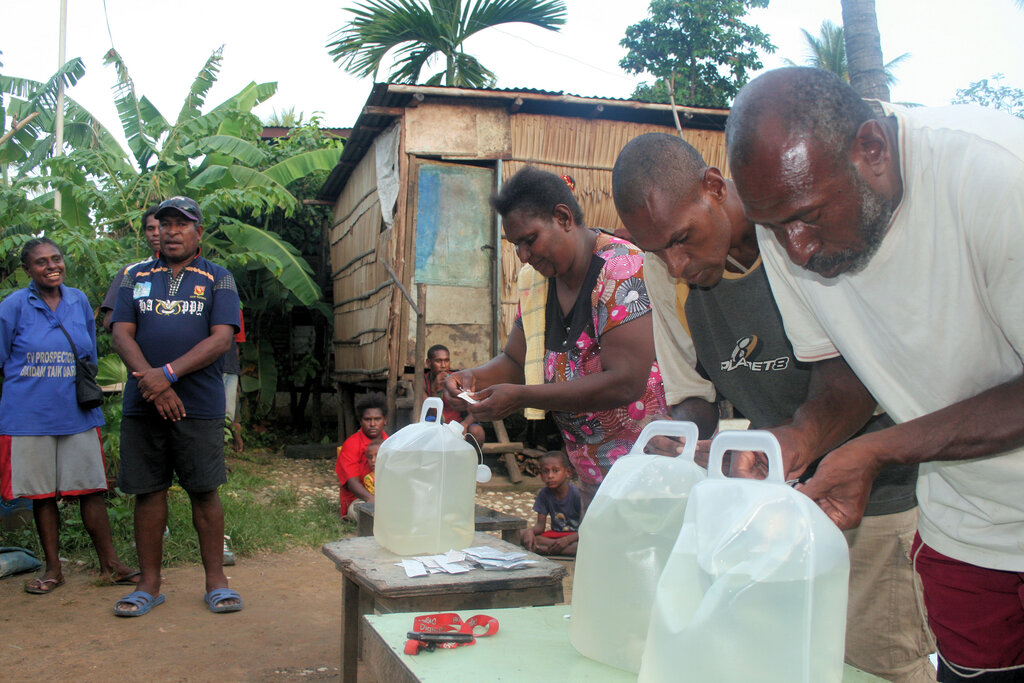
| Fomite | An inanimate object that can become contaminated with infectious agents and serve as a mechanism for transfer. | A contaminated water container can act as a fomite in a cholera outbreak. |
In the case of Lassa fever, transmission occurs when a person eats food contaminated with rat droppings (a fomite) or inhales tiny particles from the droppings. The portal of entry is the mouth or nose. Once inside, if the person is a susceptible host, the chain is complete, and infection begins.
By understanding each link, public health officials can identify the weakest point to intervene. For Lassa, this means controlling the rat population (targeting the reservoir) and promoting safe food storage (blocking the mode of transmission).
This framework allows us to see disease not as a simple cause-and-effect event, but as a complex interaction. It moves us from just treating the sick to preventing illness by changing the conditions that allow it to spread.
What are the three core components of the epidemiological triad?
In the context of a Lassa fever outbreak, which of the following is considered a 'Host' factor?