Mastering the Science of Motivational Podcasts
Motivational Psychology Frameworks
Beyond the Hype
Many podcasts promise motivation, but deliver little more than fleeting inspiration. For a software engineer dealing with complex systems like Kubernetes or tricky Java applications, empty hype isn't enough. You need mental frameworks that build genuine resilience and drive. The key is to filter content through the lens of established psychological principles.
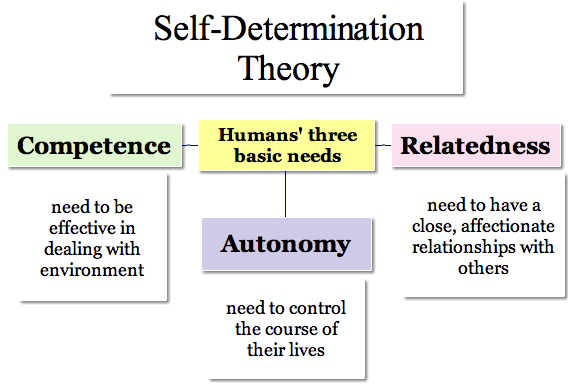
One of the most robust frameworks is (SDT). It posits that all humans have three innate psychological needs. When these needs are met, we feel motivated, engaged, and fulfilled. When they're not, our drive falters. By understanding these pillars, you can assess whether a podcast's advice is psychologically sound or just feel-good fluff.
A podcast that genuinely supports your growth will address these needs. Does it offer new ways to gain autonomy in your work, perhaps by mastering a technology that gives you more architectural freedom? Does it build your competence by teaching you how to debug a notoriously difficult race condition? Does it foster relatedness by discussing teamwork, mentorship, or contributing to open-source projects? Content that hits these marks provides sustainable motivation.
The Fuel of Motivation
SDT helps distinguish between two types of motivation: intrinsic and extrinsic. Intrinsic motivation is the drive to do something because it is inherently interesting or enjoyable. You solve a complex problem because you love the challenge. Extrinsic motivation involves performing an activity to attain a separable outcome, like a bonus or praise from your manager.
Autonomous, intrinsic motivation has the potential to sustain an individual’s interest and enjoyment in an activity over time; thus, learning takes place at a “deeper and more conceptual” level than when one is motivated extrinsically by pressure, “seduction of rewards, or the coercion of threats” (Deci and Ryan, 2011, p. 6).
While extrinsic motivators have their place, intrinsic drivers are far more powerful for the kind of deep, persistent work required in engineering. The best technical podcasts tap into this, focusing on the joy of building, the elegance of a good solution, and the purpose behind the technology. They inspire you to get better for the sake of mastery itself, not just for the next promotion.
| Motivator | Intrinsic (Driven from within) | Extrinsic (Driven by externals) |
|---|---|---|
| Example | Refactoring a messy codebase for the satisfaction of clean code. | Working late to hit a deadline and earn a bonus. |
| Focus | Process, mastery, curiosity, purpose. | Outcome, reward, recognition, avoidance of punishment. |
| Longevity | Sustainable long-term. | Often short-term, can diminish over time. |
| Podcast Angle | Exploring the 'why' behind a new framework. | Tips for negotiating a higher salary. |
Grit and the Long Haul
Complex engineering problems are rarely solved in a single burst of insight. They require sustained effort. This is where grit comes in. Popularised by psychologist , grit is defined as passion and perseverance for very long-term goals. It's about stamina, not intensity.
When you're three days into debugging a Kubernetes networking issue, you're running on grit, not fleeting inspiration. Look for speakers who embody this. Do they talk about their failures and the long, frustrating process of reaching a solution? Or do they only present the final, polished success story? The former builds realistic expectations and resilience; the latter can leave you feeling inadequate when you inevitably hit a wall.
Content that focuses on perseverance through failure is more valuable than content that only showcases success. It normalises the struggle that is inherent to engineering.
Another aspect to watch for is the source of a speaker's credibility. Are they credible because they've built and maintained complex systems over years, or because they've built a large social media following? The engineer with a decade of experience wrestling with distributed systems has a different, often more valuable, perspective on motivation and perseverance than a self-proclaimed 'thought leader'. Their advice is forged in the fire of real-world constraints.
By applying these frameworks, you can move from being a passive consumer of motivational content to an active critic. You'll be able to identify podcasts and speakers who offer durable, psychologically-grounded advice that will actually help you navigate the challenges of a technical career.
Ready to test your understanding?
According to Self-Determination Theory (SDT), what are the three innate psychological needs that drive motivation?
A Java developer spends her weekend learning a new testing framework purely because she enjoys the process of mastering new skills and finds the intellectual challenge stimulating. Which type of motivation is she primarily demonstrating?
Using these lenses, you can curate a feed that builds you up for the long run, not just for the next five minutes.