Mastering the Science of Culinary Technique
Maillard and Heat Control
The Science of Searing
You already know that searing a steak or roasting vegetables at high heat makes them taste better. But why? The delicious browning we see is the result of chemical reactions that create hundreds of new flavor compounds. To control these reactions, you first need to understand how heat actually gets into your food.
Heat transfer in the kitchen happens in three ways:
-
Conduction: This is heat transfer through direct contact. When you place a piece of chicken in a hot pan, the heat moves directly from the metal into the surface of the chicken.
-
Convection: This is heat transfer through the movement of fluids (like air or water). In an oven, a fan circulates hot air, which cooks the food. When deep-frying, hot oil circulates around the food, cooking it evenly.
-
Radiation: This is heat transfer through electromagnetic waves. A broiler in your oven cooks the top of a dish with intense infrared radiation. The glowing coils of an electric stovetop also radiate heat.
Flavor's Chemical Reaction
When you apply enough heat, something magical happens. The surface of the food transforms, creating a deeply savory, complex flavor. This isn't just cooking; it's a specific chemical process called the (pronounced my-YAR). It's responsible for the delicious crust on bread, the taste of a seared steak, and the aroma of roasted coffee.
The Maillard reaction is a cascade of chemical changes between amino acids (from proteins) and reducing sugars. It kicks off at around 285°F (140°C) and requires a relatively dry surface. As long as there's a lot of moisture, the surface temperature of your food won't get much higher than the boiling point of water (212°F or 100°C), preventing the reaction from starting.
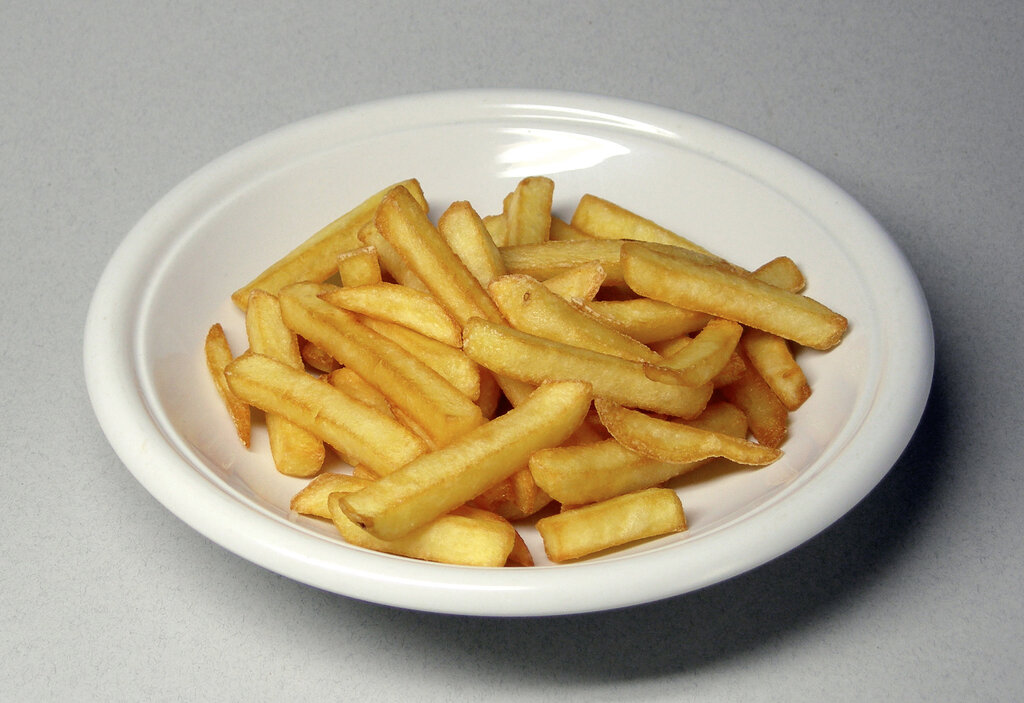
People often confuse the Maillard reaction with , but they are distinct processes. Caramelization is much simpler: it’s the browning of sugar by itself. It happens at higher temperatures, typically starting around 320°F (160°C), and produces nutty, buttery, and sweet flavors. The Maillard reaction creates a far wider range of savory, meaty, and toasted flavors because proteins are involved.
| Feature | Maillard Reaction | Caramelization |
|---|---|---|
| Reactants | Amino Acids + Sugars | Sugars only |
| Temp. | Starts around 285°F / 140°C | Starts around 320°F / 160°C |
| Flavors | Savory, roasted, meaty, complex | Sweet, nutty, buttery, slightly bitter |
Mastering the Pan
Knowing the science is great, but how do you use it? The key is managing heat and moisture.
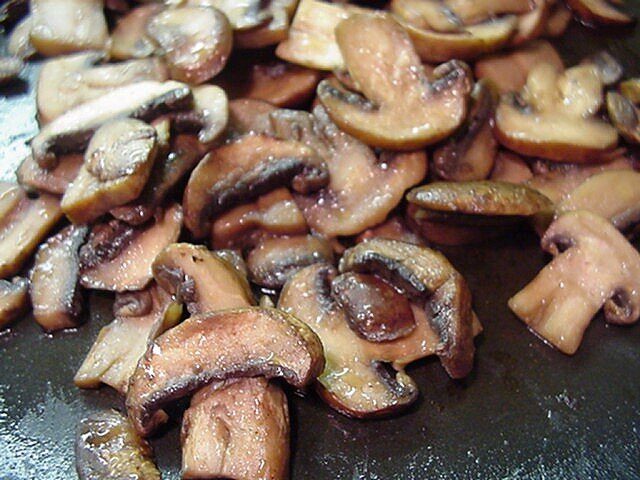
First, get your pan hot enough. Second, make sure the surface of your food is dry. Pat your steak, chicken, or vegetables with a paper towel before they hit the pan. Moisture is the enemy of browning because it creates steam and cools the pan surface.
Third, don't overcrowd the pan. Piling in too much food causes it to steam instead of sear, dropping the temperature below the Maillard threshold. Cook in batches if you have to. It's better to have two perfectly browned batches than one big, gray, soggy one.
The type of pan you use also matters due to something called — its ability to store and hold heat. A heavy cast-iron or stainless steel skillet has high thermal mass. It stays hot even after you add cool food, allowing for a strong, continuous sear. A thin, flimsy pan will lose heat quickly, leading to steaming.
After you've finished searing, you'll see browned bits stuck to the bottom of the pan. Don't discard them! This is the fond, a concentration of incredible flavor created by the Maillard reaction. By pouring in a liquid like wine, stock, or even water while the pan is still hot, you can scrape up the fond and incorporate it into a sauce. This technique is called deglazing, and it's the secret to countless restaurant-quality pan sauces.
Now that you understand the chemistry of browning and the physics of heat, let's review the key ideas.
Which of the following is the PRIMARY reason to pat a steak dry with a paper towel before placing it in a hot pan?
The delicious browned bits of food stuck to the bottom of a pan after searing are known as the ______.
By controlling heat, moisture, and your choice of pan, you can manipulate these chemical reactions to build layers of deep, complex flavor in your cooking.