Mastering the Science of Baking
Flour Science and Gluten
The Proteins That Build Bread
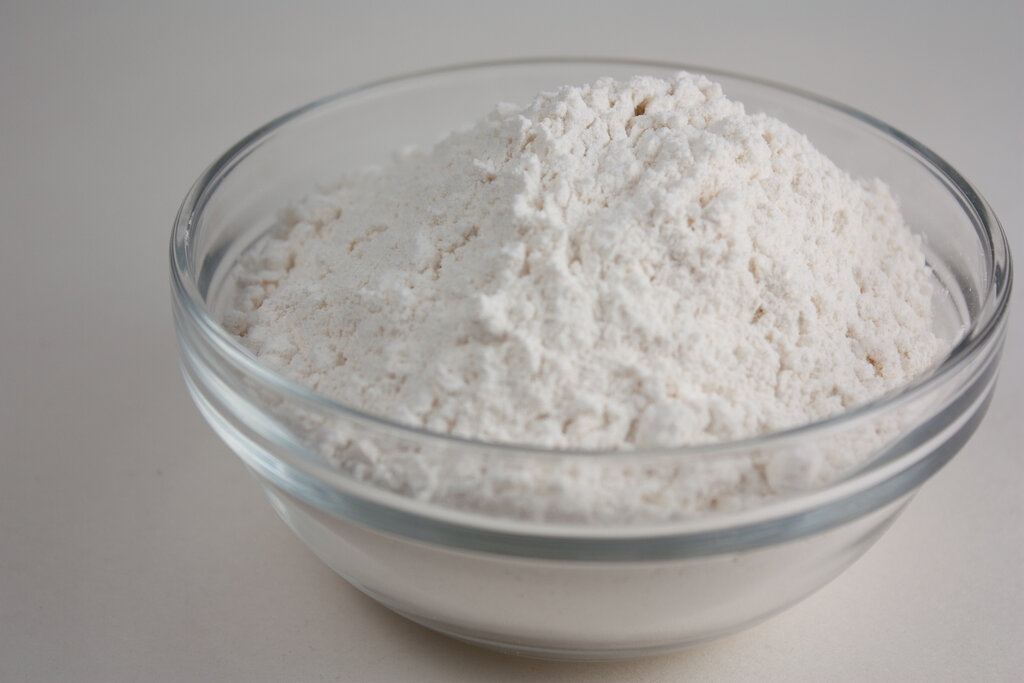
Every bag of wheat flour contains two key proteins that don't do much on their own: and . Think of them as tiny, coiled-up springs. Gliadin provides extensibility, allowing the dough to stretch without tearing. Glutenin provides elasticity, the force that makes the dough snap back. Different types of flour have different amounts of these proteins. Bread flour is high in protein (around 12-14%), which is ideal for creating a strong, chewy structure. Pastry and cake flours have much lower protein content (around 7-9%), which results in a more tender, delicate crumb because a weaker gluten network is formed.
The Role of Water
When you add water to flour, those dormant proteins wake up. The gliadin and glutenin molecules begin to uncoil, bond, and form a complex, interconnected web called gluten. The amount of water you add is critical and is expressed in baking as a hydration percentage. This isn't just about making the dough wet or dry; it directly controls the final texture of your bread. A lower hydration dough (around 65%) is easier to handle and produces a tighter, more uniform crumb, typical of a sandwich loaf. A higher dough (75% or more) is sticky and challenging to work with, but it rewards you with an open, airy crumb with large, irregular holes, characteristic of artisan breads like ciabatta.
Changing the hydration of a dough – that is, how much water it contains – can have major effects on the crust and the crumb; wetter doughs tend to give a more open texture with bigger holes, whereas drier doughs tend to have a tighter crumb structure.
Developing the Gluten Network
Once hydrated, the gluten network needs to be developed, or organized. This can be done through mechanical work, like kneading, which physically stretches and aligns the protein strands. It can also happen more passively over time. A powerful technique that leverages time is the autolyse . This is a simple rest period after mixing just the flour and water, before adding salt or yeast. During this time, the flour fully absorbs the water, enzymes start to break down starches into simpler sugars for the yeast, and the gluten network begins developing on its own without any kneading. This makes the dough smoother, more extensible, and easier to handle later on.
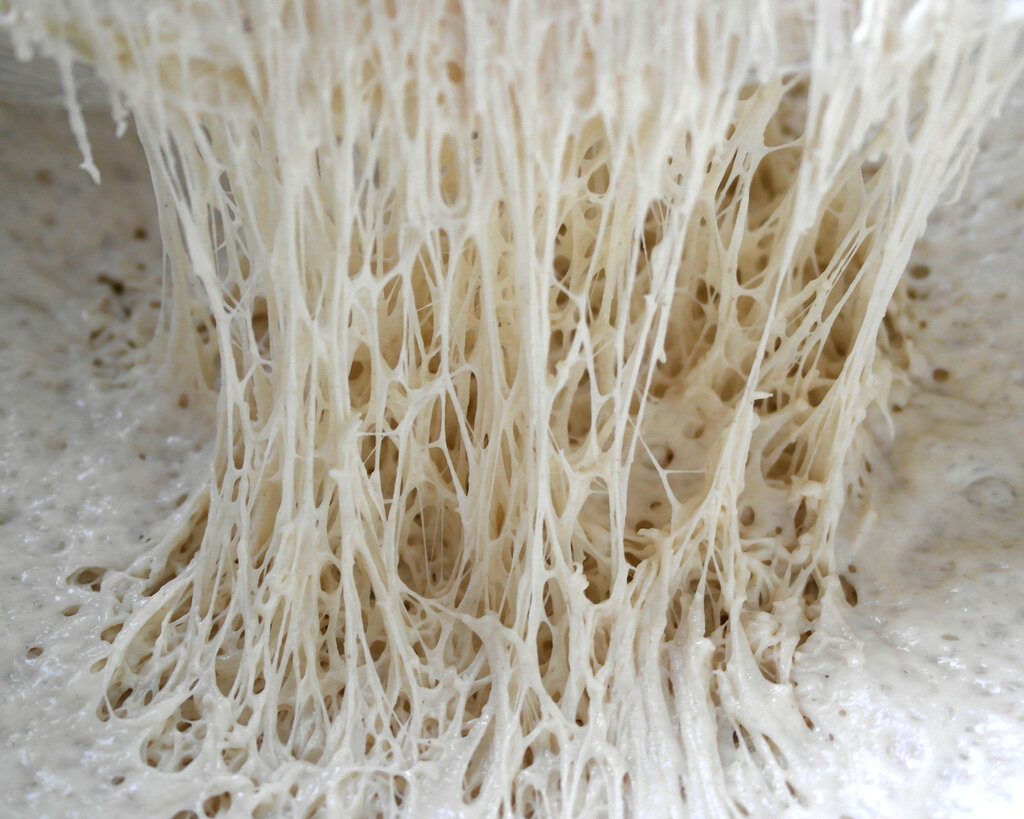
The goal is to achieve a strong, elastic web that can trap the carbon dioxide produced by yeast during fermentation. This is what allows the dough to rise. For an artisan loaf, you want strong gluten development. For a tender pastry or a flaky biscuit, the goal is the opposite. Ingredients like fat (butter, oil) are used to physically shorten and inhibit the long gluten strands from forming, ensuring a delicate texture.
| Dough State | Feel & Appearance | Baking Outcome |
|---|---|---|
| Underdeveloped | Tears easily, lumpy, slack | Dense loaf, poor volume |
| Well-developed | Smooth, elastic, passes the "windowpane test" | Good volume, airy crumb, chewy texture |
| Overdeveloped | Stiff, hard to stretch, may become soupy | Can collapse, crumb may be tight |
Understanding how flour, water, and technique interact allows you to control the final product. Now, let's test your knowledge.
What are the two primary proteins in wheat flour that combine to form gluten?
A baker wants to make a sandwich loaf with a tight, uniform crumb. Which type of flour and hydration level would be most appropriate?
By mastering these core principles, you move from simply following a recipe to truly understanding the craft of baking.