Mastering the SBI Feedback Model
Introduction to Feedback
What is Feedback?
Feedback is information you get about your past actions. Its purpose is to help you improve your future actions. Think of it as a mirror that shows you how your behavior looks to others. Without it, we're just guessing about our impact and performance.
Feedback
noun
Information about reactions to a person's performance of a task, used as a basis for improvement.
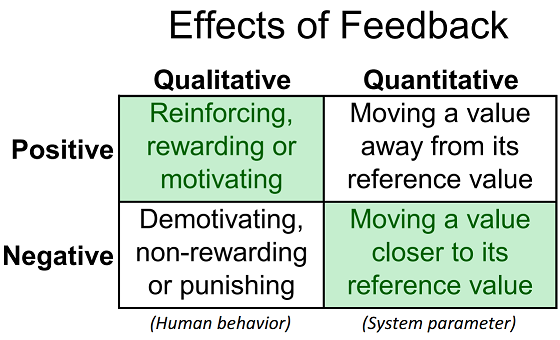
In a professional setting, feedback isn't just about pointing out mistakes. It’s a vital part of communication that powers growth. It can be positive, reinforcing what you're doing well, or negative, guiding you to adjust your approach. It can also be qualitative (descriptive) or quantitative (data-based).
Why Feedback Matters
Regular feedback is like a compass for your career. It helps you stay on course. Without it, you might drift without realizing you're headed in the wrong direction. For an individual, feedback illuminates blind spots—the gaps between how we think we're performing and how others perceive our performance. It’s the fastest way to build skills and grow professionally.
For an organization, a strong feedback culture is a game-changer. It helps teams adapt, innovate, and solve problems more effectively. When people feel safe giving and receiving feedback, communication improves, trust deepens, and the entire organization becomes more agile and resilient.
Feedback closes the loop between action and outcome, turning experience into progress.
Constructive vs. Destructive
Not all feedback is created equal. The most important distinction is between constructive and destructive feedback. The difference isn't just about being nice; it's about being effective.
Constructive feedback is specific, focused on behavior, and delivered with the goal of helping someone improve. It points to a particular action and explains its impact, offering a path forward.
For example: "During the client meeting, when you presented the budget slides, you spoke very quickly. This made it difficult for the client to follow your key points."
Destructive feedback, on the other hand, is often vague, personal, and lacks actionable advice. It criticizes the person, not the behavior, and can leave them feeling attacked or demotivated.
For example: "You're a bad presenter. That meeting was a mess."
One helps, the other hurts. The goal is always to be constructive.
| Feature | Constructive Feedback | Destructive Feedback |
|---|---|---|
| Focus | Specific behavior or action | The person's character |
| Goal | To help and improve | To criticize or blame |
| Timing | Timely and relevant | Often delayed or random |
| Outcome | Clarity and motivation | Confusion and defensiveness |
Building a habit of providing constructive feedback helps create a work environment where people feel supported in their development. It's a skill that strengthens teams and drives performance.
Feedback is meant to be the first step toward change.
Now, let's check your understanding of these core concepts.
What is the primary purpose of feedback in a professional setting?
According to the text, a strong feedback culture primarily helps an organization to:
Understanding what feedback is, why it's important, and how to frame it constructively is the foundation for effective communication and growth at work.