Mastering the Rule of Thirds in Photography and Video
Introduction to Composition
What Is Composition?
Composition is how you arrange the elements of a scene within your frame. Think of it like arranging furniture in a room. You decide what to include, what to leave out, and where everything goes. The goal is to guide the viewer's eye to the most important parts of the image and to create a specific mood or feeling.
A strong composition can turn an ordinary snapshot into a compelling photograph. It’s the difference between a picture of a thing and a picture about a thing. By thoughtfully placing subjects, lines, and shapes, you can tell a story, create balance, and make your images more dynamic and engaging.

The Core Elements
While there are many techniques for composition, they all build on a few fundamental concepts. Let's look at three of the most important ones: balance, framing, and depth.
Balance gives an image a sense of stability and harmony. It’s about distributing the visual weight of objects, colors, and light so that one side of the image doesn’t feel heavier than the other.
There are two main types of balance. Symmetrical balance occurs when both sides of an image are mirror images of each other. It creates a feeling of formality and order. Asymmetrical balance is more common and often feels more dynamic. It happens when you have different elements on each side that have equal visual weight, like a large, muted object balanced by a small, bright one.
Framing involves using elements within your scene to create a natural frame around your subject. This could be a doorway, a window, or even overhanging tree branches. Framing adds depth to an image and helps draw the viewer's attention directly to the main point of interest.
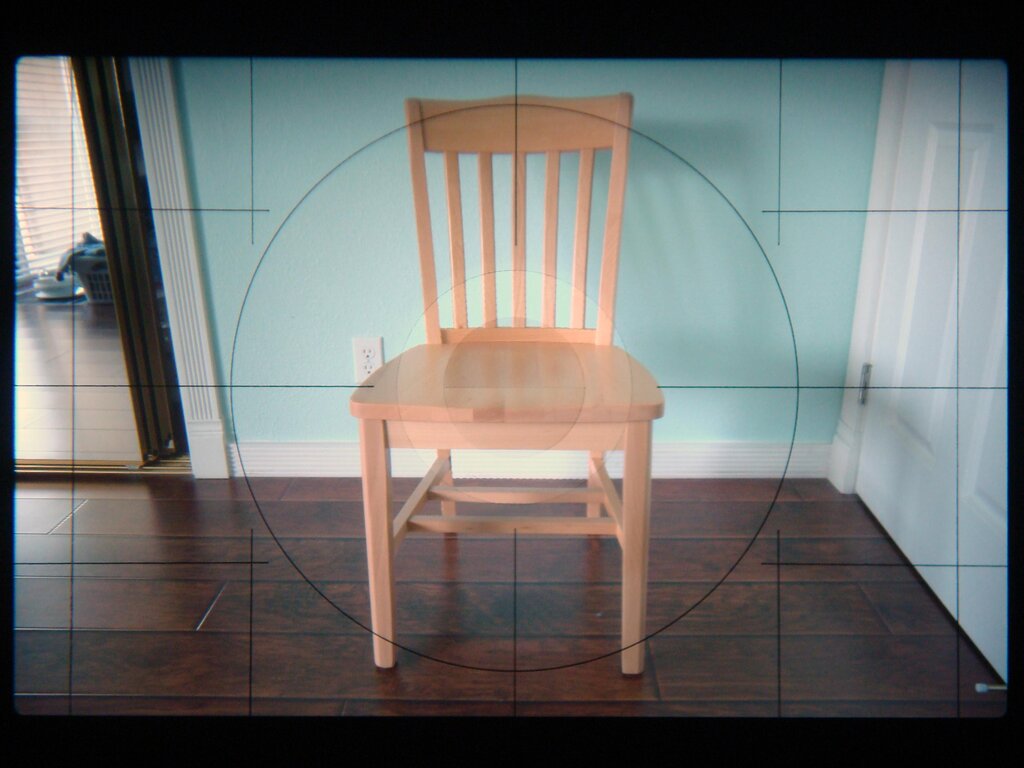
Depth is the illusion of three dimensions in a two-dimensional photograph or video. You can create depth by including elements in the foreground, middle ground, and background of your shot. This layering gives the scene a sense of scale and space, making it feel more immersive and realistic.
Overlapping objects, where one thing is partially in front of another, is a simple yet powerful way to suggest depth.
Common Techniques
Once you understand the core elements, you can start using established compositional techniques. These are like guidelines, not strict rules, that can help you arrange your scene effectively.
Some of the most common techniques include:
- Rule of Thirds: Dividing your frame into a 3x3 grid and placing key elements along the lines or at their intersections.
- Leading Lines: Using natural lines in the scene, like roads or fences, to lead the viewer's eye towards the subject.
- Symmetry and Patterns: Focusing on symmetrical elements or repeating patterns to create visually satisfying images.
- Fill the Frame: Getting close to your subject to eliminate distracting backgrounds and focus on details.
Composition is the art of arranging the elements in your photo in a way that creates a visual narrative, meaning, mood, and emotion.
We'll explore these techniques in more detail later. For now, the key is to start looking at the world with composition in mind. Before you take a picture, take a moment to consider how the elements in front of you are arranged and how you can position yourself to create a more balanced, deep, and interesting shot.
What is the primary goal of photographic composition?
Using a doorway or window within your scene to surround your main subject is an example of which compositional concept?