Mastering the Rule of Thirds
Introduction to Composition
What Is Composition?
Composition is simply the way you arrange the elements of a scene within your frame. Think of it like arranging furniture in a room. You can place things randomly, or you can arrange them in a way that feels balanced, directs attention, and tells a story. Good composition guides the viewer's eye to what's important and creates a specific mood, whether it's calm, energetic, or mysterious.
It’s the foundation of a strong photograph or video. Before you even think about camera settings, you should consider the composition. How do the lines, shapes, and subjects in your scene relate to each other? Answering this question is the first step toward creating a compelling image.
Composition is the name given to the composition of all the elements in a photograph and their position in the scene.
The Power of Balance
Visual balance makes an image feel stable and pleasing to look at. An unbalanced photo can feel unsettling, as if it's about to tip over. There are two main types of balance to consider: symmetrical and asymmetrical.
Symmetrical balance is like a mirror image. If you split the frame down the middle, both sides are nearly identical. This creates a sense of formality, order, and calm. Think of a perfect reflection in a lake or an architectural shot of a building taken head-on.
Asymmetrical balance is more common and often more dynamic. It occurs when you have different elements on each side of the frame that still feel balanced. For example, a large, simple shape on one side can be balanced by a smaller, more complex or brightly colored object on the other. This creates visual interest and feels more natural.
Finding a Focal Point
Every strong image has a focal point. This is the main subject or the area of the image where you want the viewer's eye to land first. It’s the star of the show. Without a clear focal point, the viewer’s eye will wander around the frame without knowing what to focus on.
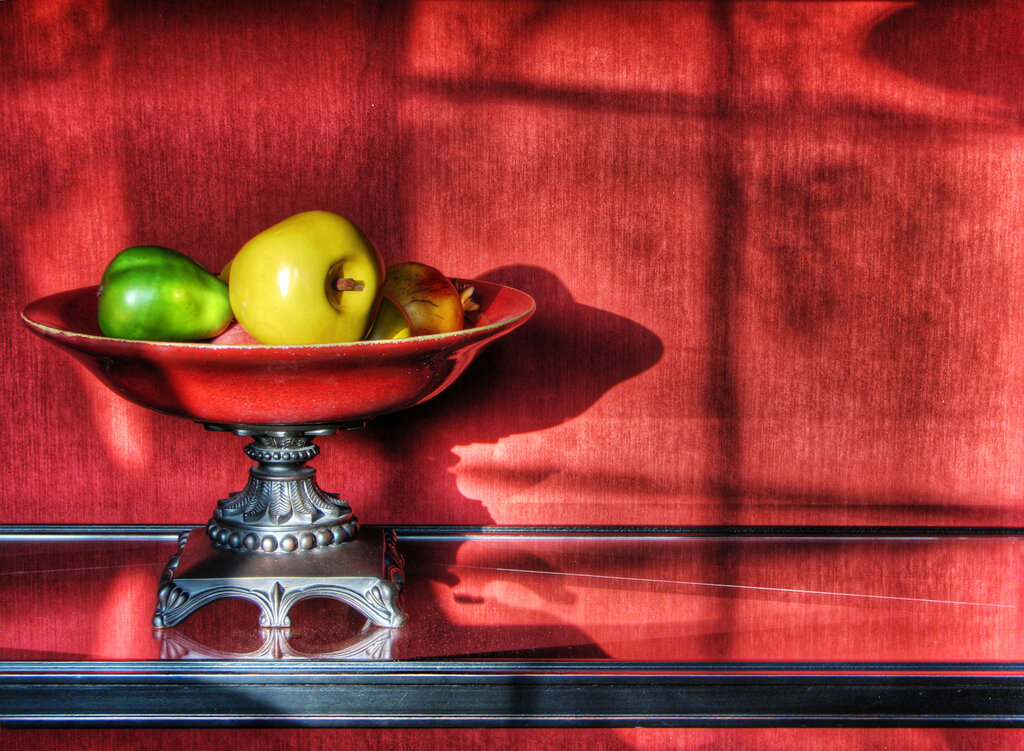
You can create a focal point using several techniques:
- Contrast: Placing a light object against a dark background (or vice versa) immediately draws attention.
- Color: A splash of vibrant color in an otherwise muted scene will stand out.
- Focus: Using a shallow depth of field to make your subject sharp while the background is blurry is a classic way to create a focal point.
- Placement: The position of an element in the frame can make it the center of attention. We'll explore specific placement rules, like the rule of thirds, later on.
A strong focal point gives an image purpose and tells the viewer what the story is about.
Understanding these basic principles—balance and focal points—is the key to intentionally composing your shots instead of just taking snapshots. Now, let's test your knowledge.
What is the primary purpose of composition in photography?
A photograph of a building taken head-on, where the left and right sides are nearly identical mirror images, is a clear example of what principle?
Mastering these concepts will help you arrange scenes with purpose and create more impactful visuals.