Mastering the Rule of Thirds
Introduction to Composition
Arranging the World
A great image isn't just about what you capture, but how you capture it. The way you arrange the elements within your frame is called composition. Think of it as visual storytelling. You decide what the viewer sees first, where their eyes go next, and what feeling the scene evokes.
Good composition guides the viewer's eye through the image in a way that feels natural and intentional. It's the difference between a random snapshot and a compelling photograph. By understanding a few key principles, you can turn an ordinary scene into something that grabs and holds attention.
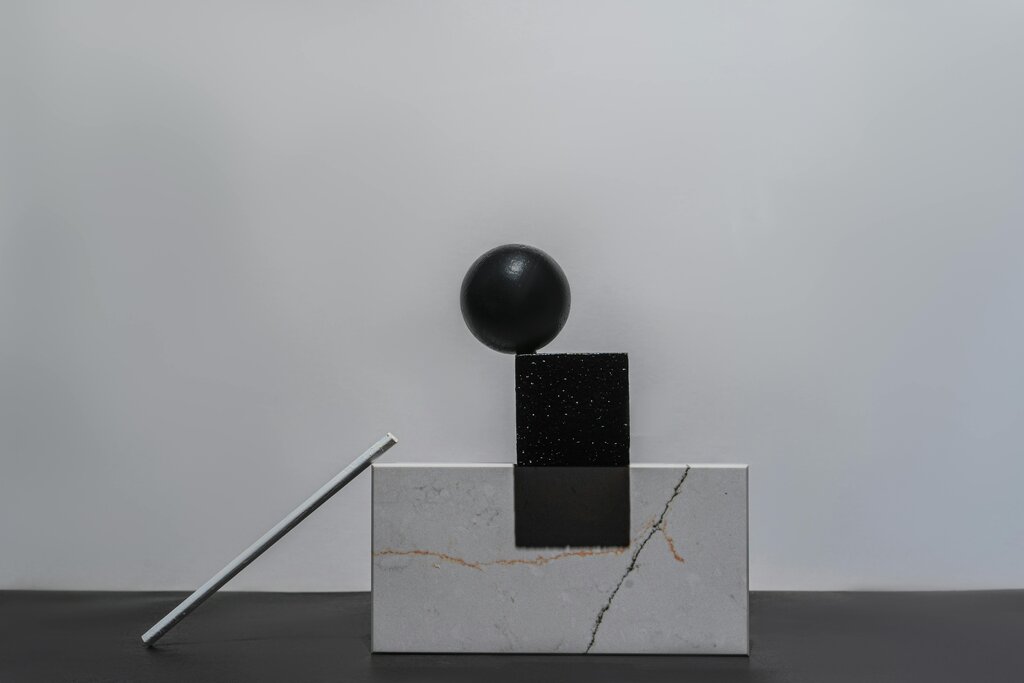
Finding Balance
Every element in your frame has a certain visual weight. A large, dark object will feel heavier than a small, light one. Balance is about distributing this weight so the image doesn't feel lopsided or awkward.
There are two main types of balance:
-
Symmetrical Balance: This is when you arrange elements so they mirror each other across a central line. It creates a sense of stability, order, and formality. Think of a portrait where the person is looking directly at the camera, perfectly centered.
-
Asymmetrical Balance: This is more common and often more dynamic. It involves balancing objects of different weights. For example, a large building on one side of the frame can be balanced by a smaller, more interesting subject like a person or a colorful car on the other side. The scene feels balanced but not perfectly mirrored, which adds a layer of visual interest.
Guiding the Eye
Beyond balance, great composition actively directs the viewer's gaze. Two powerful ways to do this are with leading lines and framing.
Leading lines are real or implied lines within your image that lead the eye towards a subject. Roads, fences, rivers, and even a person's gaze can act as leading lines. They create a path for the viewer to follow, adding a sense of depth and pulling them into the scene.
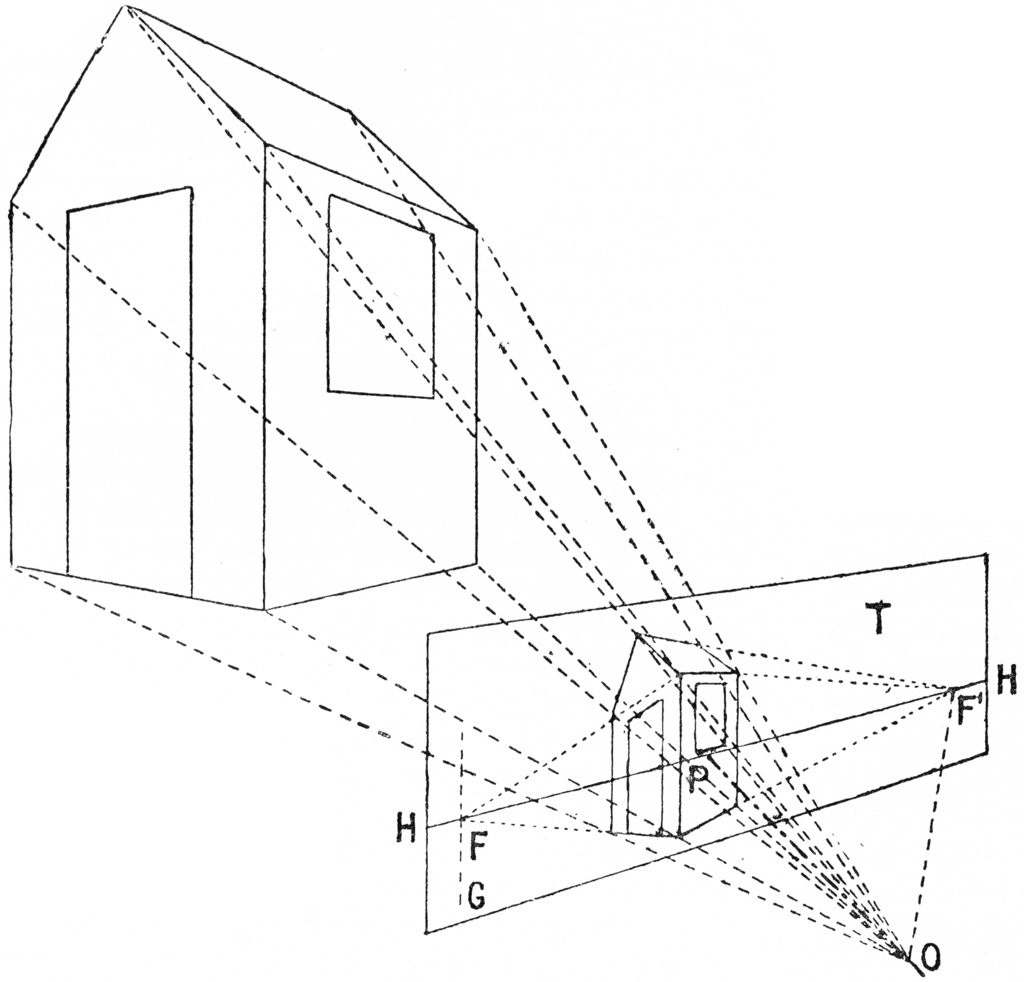
Framing involves using elements within the scene to create a natural frame around your main subject. A doorway, a window, or overhanging tree branches can serve this purpose. This technique adds context, creates depth, and draws attention directly to what you want the viewer to see, making the subject feel more important.
Use techniques like the rule of thirds, leading lines, and framing to create visually appealing and balanced compositions.
Mastering these foundational principles is the first step toward creating more intentional and impactful images. By consciously arranging the elements in your scene, you take control of the story your image tells.
What is the primary purpose of composition in photography?
An image where a large building on one side is balanced by a smaller, but more interesting, subject on the other side is an example of what?