Mastering the Ross Off-Price Retail Model
Opportunistic Sourcing Mechanics
The Buying Game
Traditional retailers operate on a predictable schedule. They plan their inventory for upcoming seasons many months, sometimes even a year, in advance. They decide what they'll sell for the holidays while it's still spring. Ross Stores flips this model on its head. Its business is built on opportunistic buying.
Instead of long-range planning, Ross employs a massive team of over 800 merchants who are constantly in the market, ready to pounce on deals. Their job isn't to predict future trends, but to react to the present reality of the apparel and home goods manufacturing world: overruns, canceled orders, and closeouts. This approach allows them to acquire inventory far below the prices paid by department and specialty stores.
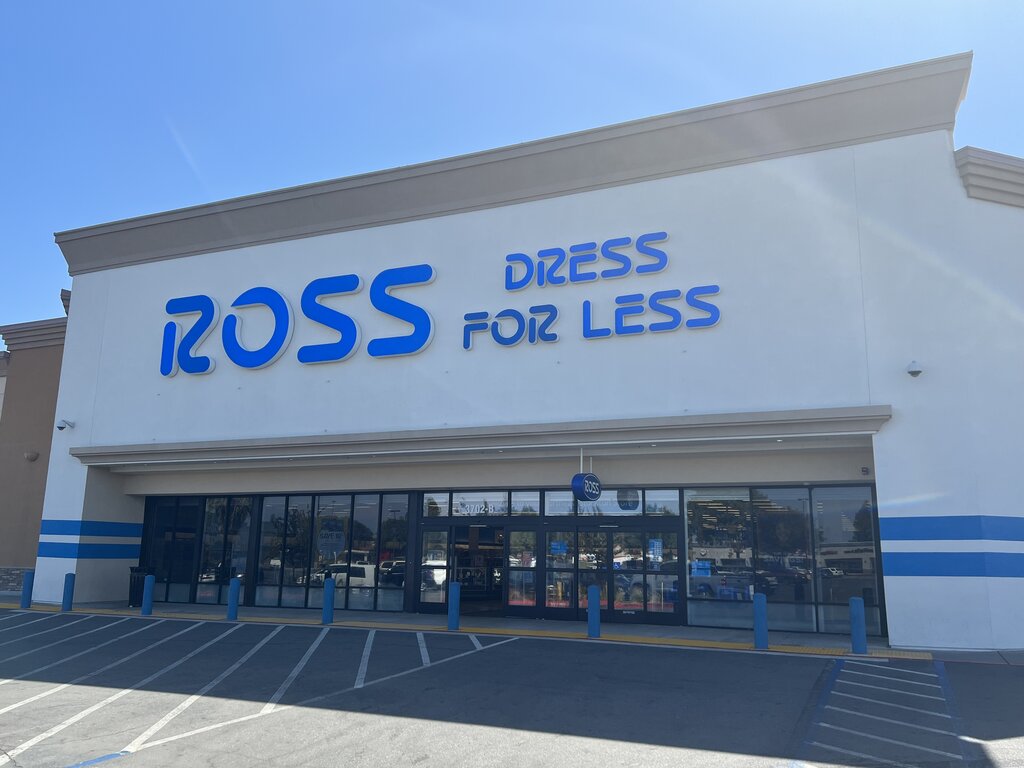
The buyers operate primarily out of major US market centers like New York and Los Angeles, maintaining deep relationships with thousands of manufacturers and brand representatives. They are always listening for whispers of excess inventory. A department store might cancel a large order, a brand might produce too much of a certain style, or a factory might have leftover fabric from a production run. These are the opportunities the Ross buying team lives for.
First-Quality, Not Seconds
A common misconception is that off-price retailers sell irregular or damaged goods. While some might, Ross focuses almost exclusively on sourcing 'first-quality' merchandise. This is the exact same in-season apparel and home fashion that you would find in major department stores. It's not defective; it's simply excess.
This distinction is crucial. It ensures customers get the brand names they recognize and the quality they expect, just at a much lower price. The skill of the Ross buyer is in identifying these pockets of first-quality goods and acquiring them before competitors.
The goal is to find the same brand-name items sold at department stores, but secure them for 20% to 60% less than the original wholesale cost.
The 'Clean' Transaction
So, how do they secure such deep discounts? By making life easy for the vendor. Ross offers what's known as a 'clean' transaction. When a manufacturer has a surplus of inventory, they have a problem. It takes up warehouse space, ties up capital, and risks devaluing their brand if they dump it too publicly.
Ross offers a simple, fast solution. In exchange for a rock-bottom price, Ross typically waives demands common in traditional retail.
| What Ross Waives | What Ross Gets | Why Vendors Agree |
|---|---|---|
| Marketing Allowances | Deep Price Cuts | No extra costs for promotion |
| Return Privileges | Immediate Cash Payment | Guaranteed sale, no take-backs |
| Long-Term Commitments | Swift Shipment | Frees up warehouse space quickly |
| Specific Assortment Demands | Flexibility to Buy | Can offload a mix of goods easily |
This model makes Ross a preferred partner for brands needing to liquidate inventory. A major apparel company can sell its overstock to Ross discreetly. The items appear in Ross stores without the brand having to run a massive, brand-damaging clearance sale in its own channels. The deal is fast, final, and paid in cash. This speed and simplicity are often worth more to a vendor than a slightly higher price from a more demanding retail partner.
Negotiate terms like pricing, delivery, and exclusivity to gain a competitive edge.
This entire process relies on the deep expertise of the merchant team. The average Ross buyer has over 14 years of experience. They possess an encyclopedic knowledge of their product categories, understand the nuances of brand value, and have the seasoned judgment to make multi-million dollar decisions quickly. They don't use algorithms to buy; they use relationships and instinct, honed over thousands of deals.
The flexible procurement model is the engine of Ross's success. It allows the company to offer a constantly changing, eclectic mix of goods that creates a 'treasure hunt' experience for shoppers, all while giving vendors a reliable and discreet way to solve their inventory problems.
What is the core principle of Ross Stores' inventory acquisition strategy?
A common misconception is that Ross primarily sells irregular or damaged goods.
This opportunistic approach is fundamentally different from traditional retail, relying on speed, strong vendor relationships, and the seasoned expertise of its buying team.