Mastering the Red Seal Chef Exam
Advanced Culinary Techniques
Beyond the Basics
Moving into the upper echelons of culinary arts means mastering techniques that offer unparalleled control over the final product. These methods are less about simple cooking and more about precisely engineering flavor, texture, and appearance. They are the tools that separate a good cook from a Red Seal chef, demanding patience, accuracy, and a deep understanding of food science.
At the advanced level of cooking, precision, creativity, and deep technical knowledge come together to create culinary masterpieces.
Let's explore three key areas of advanced culinary technique: sous-vide, molecular gastronomy, and complex pastry work. Each requires a different mindset and skillset, but all share a common goal: elevating a dish from ordinary to exceptional.
Sous-Vide Precision
Sous-vide
noun
A cooking technique that involves vacuum-sealing food in a bag and cooking it in a precisely regulated water bath. This method provides consistent, predictable results.
The core principle of sous-vide is temperature control. By cooking food in a water bath held at its ideal final temperature, you completely eliminate the risk of overcooking. A steak intended for medium-rare (around 57°C) will never go past that temperature, no matter how long it stays in the water. This gives the chef an incredible amount of control and flexibility during service.
The process locks in moisture and flavor that would otherwise be lost to the pan or oven. After the food is cooked through in the water bath, it's typically finished with a quick, high-heat sear to create a Maillard crust, resulting in a product that is perfectly cooked on the inside and beautifully browned on the outside.
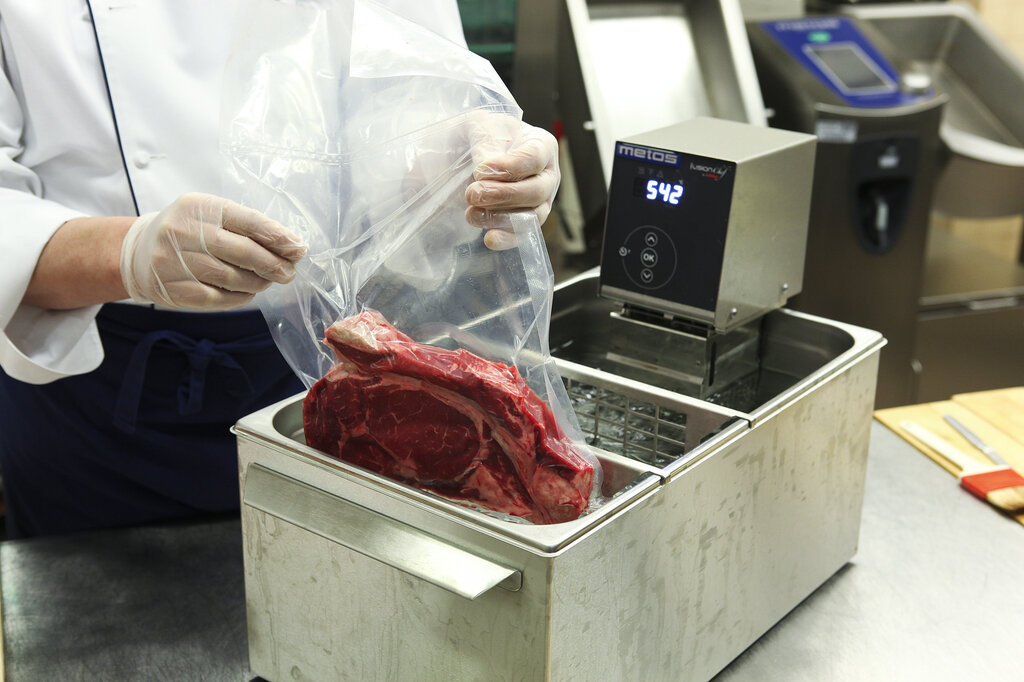
This technique is not just for steaks. It's used for delicate fish, tough cuts of meat that benefit from long cooking times, vegetables, and even eggs. Its value in a professional kitchen is consistency. Every single portion can be served with the exact same doneness, every single time.
The Science of Flavor
Molecular gastronomy applies scientific principles to cooking, deconstructing and reinventing traditional dishes. It's about understanding the physical and chemical transformations of ingredients to create surprising new textures, flavors, and visual experiences. This isn't just cooking; it's culinary science in action.
Think of foams that hold intense flavor without the weight of a cream sauce, or fruit juice transformed into delicate "caviar." These are the creations of molecular gastronomy.
Several key techniques define this field:
- Spherification: This process shapes a liquid into spheres. Using sodium alginate and a calcium salt, a chef can create small, caviar-like pearls or larger, ravioli-sized spheres with a liquid center that bursts in the mouth.
- Gels and Jellies: Moving beyond basic gelatin, chefs use agents like agar-agar or gellan gum to create heat-resistant gels, fluid gels, and other unique textures that can be served hot or cold.
- Foams and Airs: By using an emulsifier like soy lecithin, liquids can be turned into light, airy foams. This technique captures the essence of a flavor in an almost weightless form, adding an aromatic and textural layer to a dish.
Mastering these techniques requires meticulous measurement and a trial-and-error approach. The results, however, can be stunning, offering guests a completely novel dining experience.
Advanced Pastry
Precision is paramount in the world of pastry. While all cooking requires accuracy, baking and pastry work is chemistry. Ratios, temperatures, and techniques must be executed perfectly to achieve the desired result. Advanced pastry goes far beyond simple cakes and cookies into complex constructions and delicate techniques.
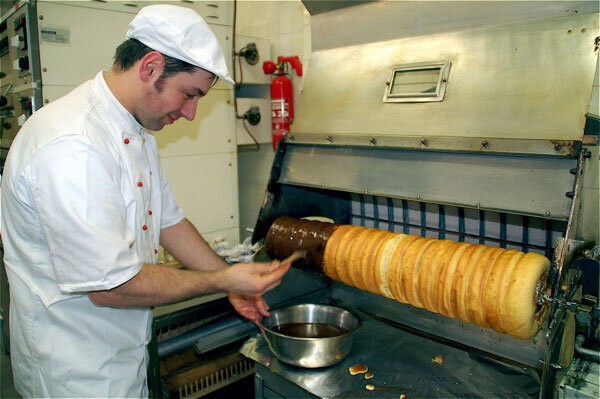
Key areas of advanced pastry include:
- Lamination: This is the technique of creating dozens or even hundreds of alternating layers of dough and butter. When baked, the water in the butter creates steam, pushing the dough layers apart to form the light, flaky texture of croissants, puff pastry, and danishes.
- Tempering Chocolate: Proper tempering is what gives high-quality chocolate its satisfying snap, glossy sheen, and smooth melt. It involves a precise process of heating and cooling chocolate to encourage the right kind of cocoa butter crystals to form. Untempered chocolate will be dull, soft, and streaky.
- Sugar Work: This involves cooking sugar to specific temperatures to create different consistencies for decorations. It can be pulled into delicate ribbons, blown into bubbles like glass, or poured into molds to create intricate, edible art.
These skills are foundational for any pastry chef aiming to work in high-end restaurants or patisseries. They require a steady hand, a deep understanding of ingredients, and hours of practice to perfect.
Ready to test your knowledge on these advanced concepts?
What is the primary advantage of using the sous-vide cooking technique in a professional kitchen?
In molecular gastronomy, the technique of spherification relies on a reaction between sodium alginate and what other key ingredient?
Mastering these advanced skills is a journey of continuous learning and practice. They represent a commitment to the craft, transforming cooking from a task into an art form defined by precision and creativity.