Mastering the Reading Workshop
Introduction to Reading Workshops
What Is a Reading Workshop?
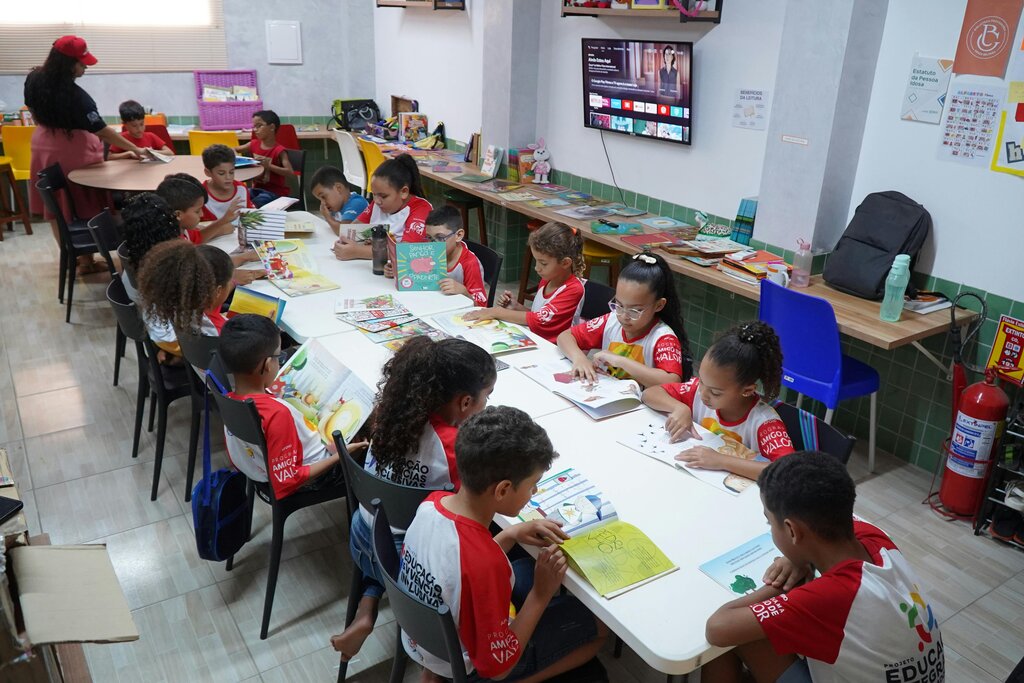
A reading workshop is a way of teaching reading that puts students in the driver's seat. Instead of the whole class reading the same book at the same pace, a workshop model gives students choice and time to read independently. The main goal is to create lifelong readers by making reading a positive, engaging experience.
Think of it as a studio or a lab. In an art studio, students work on their own projects, with the teacher providing tools, guidance, and short lessons on technique. A reading workshop functions similarly. The classroom becomes a community of readers, each working to improve their skills on a book they find interesting. The teacher acts as a coach, providing targeted support and instruction.
The structure is simple and predictable, which allows students to focus on the complex work of reading.
A Brief History
The workshop model isn't a new fad. Its roots trace back to the work of educators in the 1970s and 1980s, like Donald Graves, Nancie Atwell, and Lucy Calkins. They observed that real writers and readers don't work by completing worksheets. They work by actually writing and reading.
These pioneers advocated for bringing authentic literacy practices into the classroom. They argued that if we want students to become skilled, passionate readers, we need to give them the same conditions that support adult readers: access to a wide variety of books, the freedom to choose what they read, and time to get lost in a story. This student-centered philosophy marked a significant shift away from traditional, teacher-directed instruction.
The Core Components
A reading workshop typically follows a consistent, three-part structure. This routine helps students know what to expect and manage their time effectively.
- The Mini-Lesson: A short, whole-group instruction on a specific reading skill or strategy.
Each workshop kicks off with a brief, focused lesson, usually lasting about 10 to 15 minutes. The teacher might model how to make a prediction, analyze a character's motives, or use context clues to figure out a new word. The key is that the lesson is direct and immediately applicable. The teacher says, "Today I'm going to teach you how to do X, and you can try it in your own reading."
- Independent Reading: The longest part of the workshop, where students read self-selected books and practice the skill.
This is the heart of the workshop, often lasting 30 to 45 minutes. Students settle in with books they have chosen at their own reading level. While they read, the teacher moves around the room, holding brief one-on-one conferences with students or meeting with small groups. This is where the magic of differentiation happens. The teacher can provide personalized support, challenge a high-flyer, or reinforce a skill with a few students who need it.
- Sharing Session: A brief wrap-up where students share their reading experiences with a partner or the whole class.
The workshop concludes with a 5 to 10-minute share. This time builds a sense of community and accountability. A teacher might ask students to turn and talk to a neighbor about how they used the day's mini-lesson strategy. Or, a few students might share an exciting part of their book with the whole class. It’s a moment to celebrate reading and make everyone's thinking visible.
Why It Works
The benefits of the workshop model are significant. First and foremost, it boosts student engagement. When students have control over what they read, their motivation soars. They read more, which naturally leads to growth in fluency, vocabulary, and comprehension.
Inspire students to become lifelong readers who engage in extensive reading outside of school and professional contexts
The model also allows for powerful, differentiated instruction. In a traditional setting, a teacher might teach to the middle, leaving some students behind and others bored. The conference and small-group structure of a workshop ensures every student gets the specific support they need to grow. By fostering independence and a genuine love for books, the reading workshop helps build a strong foundation for a lifetime of learning.
What is the primary goal of the reading workshop model?
Which part of the workshop is considered its 'heart' and allows for differentiated instruction through teacher conferences?