Mastering the Reading Apprenticeship Framework
Social Dimension Implementation
Building a Thinking Classroom
Reading difficult texts is often treated as a solo mission. A student sits alone, wrestles with the words, and either emerges victorious or gives up. But deep comprehension isn't just an individual cognitive skill; it's a social one. The goal of the framework's social dimension is to build a classroom culture where students learn to navigate complex texts together.
The first step is to normalize confusion. Expert readers don't understand everything immediately. They get stuck, reread, and ask questions. When students see this process modeled by their teacher and peers, they learn that confusion isn't a sign of failure. It's the starting line for authentic inquiry.
Safety, Norms, and Identity
To get students to share their confusion, they must feel safe. Psychological safety is the bedrock of a collaborative classroom. It's the shared belief that the group is safe for interpersonal risk-taking, like admitting you don't understand a sentence or offering a half-formed idea. The teacher's role is crucial here. By sharing your own struggles with a text, you model the vulnerability you want to see.
A practical tool for this is a 'reading identities' survey. At the start of the year, ask students to reflect on their histories as readers. What are their earliest memories of reading? When do they feel powerful as readers? When do they feel lost? Discussing these experiences as a group helps students see themselves and their peers as complex individuals with unique strengths and challenges, rather than just 'good' or 'bad' readers.
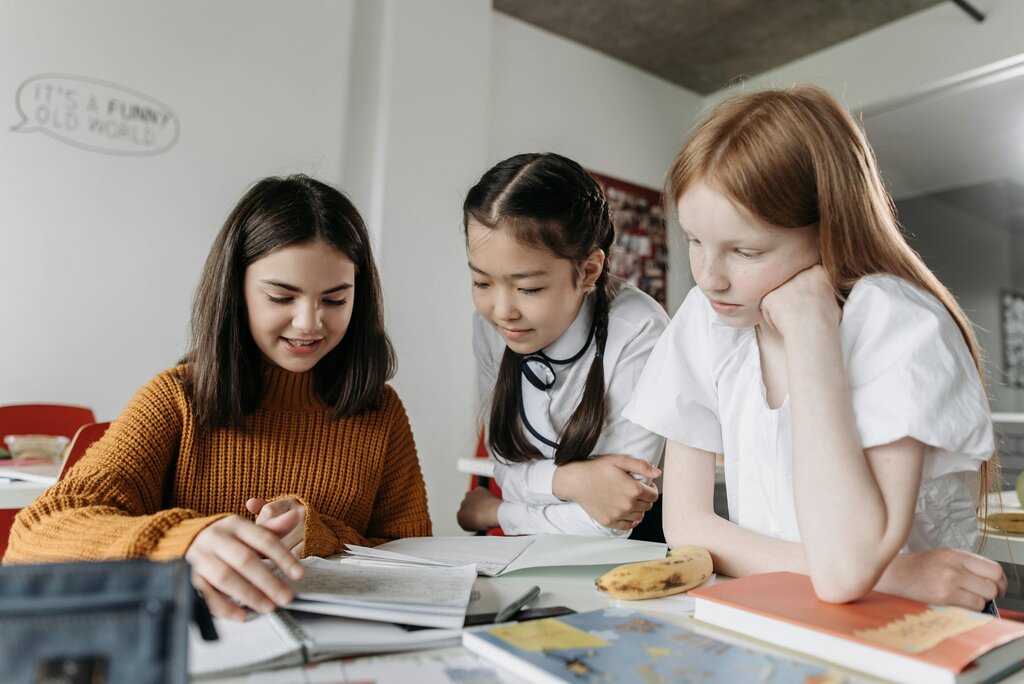
With safety established, you can co-create norms for discussion. Instead of the teacher providing the rules, the class develops them together. These aren't just rules for behavior (e.g., "don't interrupt"), but protocols for intellectual engagement. They might include phrases like "I'm not sure about this, but..." or agreements to always back up claims with evidence from the text. This creates a where everyone is responsible for maintaining a supportive and rigorous environment.
Shifting the Discourse
The ultimate goal is to move from a teacher-centered discussion to true student-to-student discourse. In a traditional classroom, talk follows a pattern: the teacher asks a question, a student answers, and the teacher evaluates the answer (Initiation-Response-Evaluation, or IRE). This positions the teacher as the sole expert.
To break this pattern, teachers must become facilitators. Instead of asking 'What does this word mean?', try asking, 'Where did you get confused in this paragraph? Talk to your neighbor about it.'
Group accountability protocols are essential for making this shift stick. When students analyze a tough passage in small groups, each member can have a specific role: a Facilitator to keep the conversation on track, a Recorder to jot down key ideas, a Timekeeper, and a Reporter to share the group's thinking with the class. These roles ensure that everyone participates and that the responsibility for making meaning is shared.
By focusing on the social dimension, you're not just teaching students how to read a specific text. You are teaching them how to be the kind of thinkers who can tackle any complex text, in any discipline, because they have a toolkit of collaborative strategies and the confidence to use them.
What is the primary goal of the social dimension within the Reading Apprenticeship framework?
According to the framework, confusion when encountering a difficult text should be viewed as: