Mastering the Pull-Up
Grip and Hang
Start With the Hang
Before you can pull your body up, you need to be able to comfortably hang from the bar. This is non-negotiable. Trying to perform a pull-up without a solid grip is like trying to build a house without a foundation. It just won't work.
Hanging builds the foundational grip strength and shoulder stability you'll need for the entire movement. It conditions your hands, forearms, and shoulders to handle your body weight.
You need to develop your grip strength to hang from the bar longer.
The first exercise to master is the dead hang. It’s as simple as it sounds: you just hang from the bar. This exercise is fantastic for building endurance in your forearms and hands, and it also helps decompress your spine.
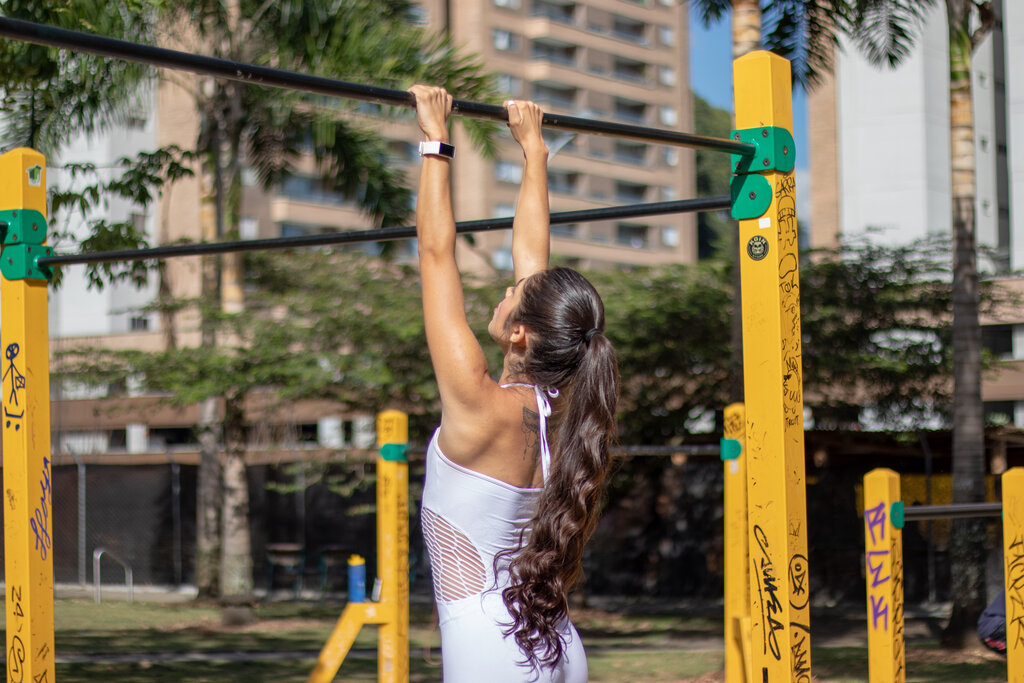
Here’s how to do it:
- Grab the bar. Use an overhand grip (palms facing away from you) with your hands placed slightly wider than your shoulders.
- Hang freely. Lift your feet off the ground so your body hangs straight down. If the bar is low, bend your knees.
- Relax. Let your shoulders relax and move up toward your ears. Keep your arms completely straight.
Start by trying to hold this position for 10 to 15 seconds. As you get stronger, work your way up to 30 seconds, and then a full minute.
Activate Your Shoulders
Once you're comfortable with the dead hang, it's time to add a little movement. The next step is the scapular pull, also known as a scap pull-up. This exercise isolates the very first part of a pull-up and teaches you how to engage your back muscles correctly.
Initiate the pull with your lats instead of your arms.
The goal is to pull your shoulder blades down and back without bending your arms at all. Imagine trying to squeeze an orange between your shoulder blades. This small movement will lift your body an inch or two.
To perform a scapular pull:
- Start in a dead hang position.
- Without bending your elbows, pull your shoulders down and away from your ears.
- Feel your lats (the large muscles on the sides of your back) engage.
- Hold the top position for a second.
- Slowly lower yourself back to the starting dead hang.
This is a subtle but powerful movement. It builds the mind-muscle connection needed to initiate the pull-up from your back, not just your arms.
Build Grip Off the Bar
You can also improve your grip strength with exercises that don't involve a pull-up bar. This is a great way to continue making progress on days when you aren't focused on hanging.
One of the best supplemental exercises is the farmer's walk. Simply pick up a heavy pair of dumbbells or kettlebells, one in each hand, and walk. Keep your posture tall and your core tight. The challenge of holding onto the weights for distance or time will do wonders for your grip.
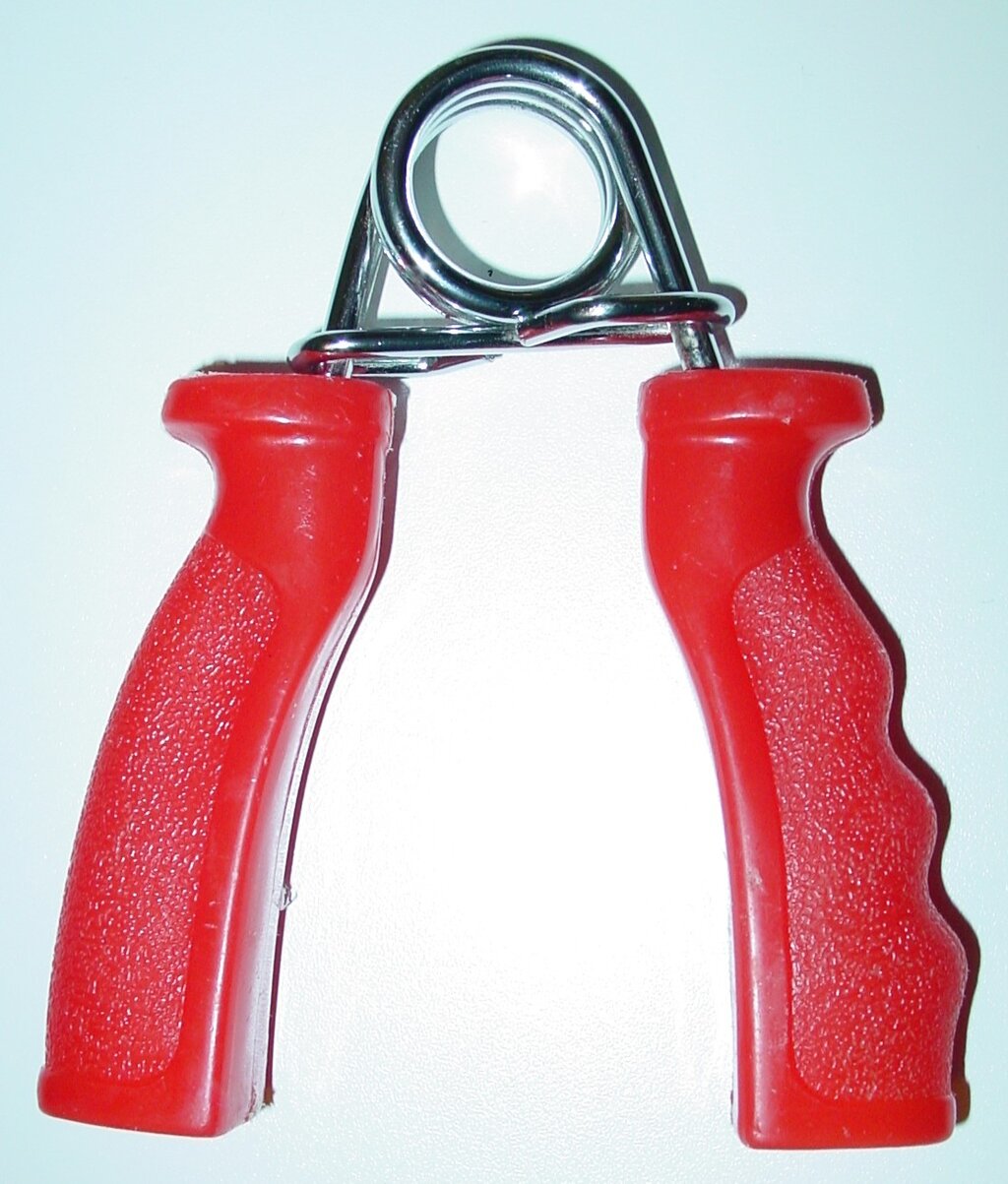
Another useful tool is a hand gripper. Squeezing a gripper for repetitions helps build strength in your hands and forearms. You can use these anywhere, making them a convenient option for building the strength needed to hold onto the bar.
Ready to test what you've learned about the first steps to a pull-up?
What is the primary purpose of performing a dead hang?
During a scapular pull, what is the only part of your body that should be moving?
Mastering these foundational hangs and pulls is the first major step. Consistency is key, so practice them regularly.