Mastering the Project Brief
Introduction to Project Briefs
The Project's North Star
Before any project kicks off, whether it's designing a new app, launching a marketing campaign, or even planning a large event, the team needs a single source of truth. That's the project brief. Think of it as the project's constitution—a short, clear document that outlines what the project is, what it aims to achieve, and who it's for.
A project brief is a concise document that outlines the objectives, scope, and key details of a project.
Its main purpose is to get everyone on the same page. From the designers and developers to the stakeholders and clients, anyone involved should be able to read the brief and understand the project's core mission. This alignment prevents confusion, saves time, and helps avoid costly mistakes down the line.
What's Inside a Brief?
A good project brief doesn't need to be long. In fact, brevity is a key feature. It should contain just enough information to give a clear picture without getting bogged down in tiny details. While the exact contents can vary, most effective briefs include a few essential components.
| Component | Description |
|---|---|
| Project Goals | What is the main objective? What problem are we solving? |
| Scope & Deliverables | What exactly will be created? What is not included? |
| Target Audience | Who is this project for? Understanding the end user is critical. |
| Timeline & Milestones | What are the key deadlines and phases of the project? |
| Budget | What are the financial constraints? |
| Stakeholders | Who are the key people involved and what are their roles? |
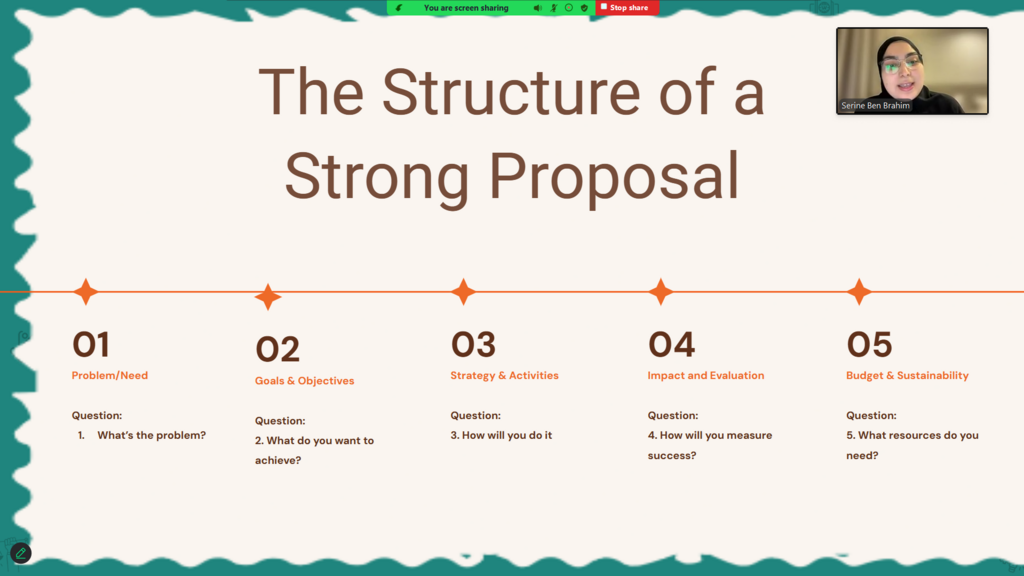
Think of these components as the answers to the fundamental questions of any project: why, what, who, when, and how much.
Why Bother With a Brief?
It might seem like an extra step, but creating a project brief is one of the most important investments you can make at the start of a project. It serves as a constant reference point throughout the project's lifecycle.
When disagreements arise or the team feels lost, the brief brings everyone back to the original vision. It's the best defense against "scope creep"—the tendency for a project's requirements to expand over time. By clearly defining what's included (and what's not), the brief sets firm boundaries.
A clear brief acts as a guardrail, keeping the project on track and focused on its goals. It ensures that the final result is not just a finished product, but the right finished product.
Let's check your understanding of these foundational concepts.
What is the primary purpose of a project brief?
A good project brief should be as long and detailed as possible to cover every potential contingency.
Ultimately, a well-written brief saves time, money, and frustration. It's a simple tool that lays the groundwork for a smooth and successful project.